
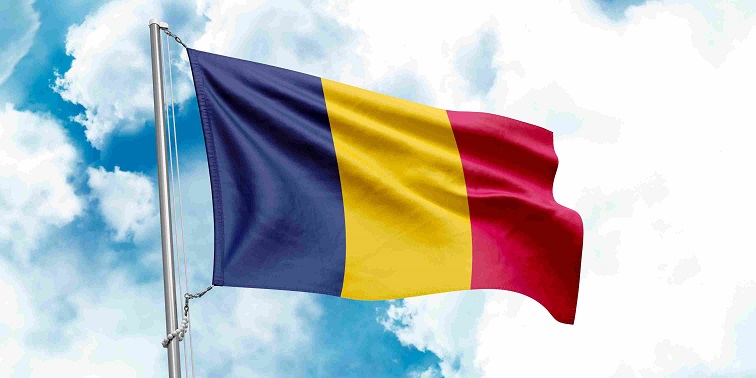

Chad is marking its 66th Independence Day on Tuesday, commemorating the country’s declaration of sovereignty from France on Aug. 11, 1960, and the beginning of its journey as an independent African state.
Chad gained independence at midnight on Aug. 11, 1960, ending French colonial rule and becoming a sovereign republic. François Tombalbaye, who led the country’s government at the time, became its first president.
The independence came after a gradual transition from French colonial rule. Chad became an autonomous republic within the French Community in 1958 before reaching a final agreement with France to transfer the remaining powers required for full sovereignty.
Agreements on the transfer of powers were signed in Paris in July 1960 and subsequently ratified by Chad’s National Assembly.
The country’s independence was part of a broader wave of decolonisation across Africa in 1960, when a number of former French territories gained sovereignty.The date has since become a major national occasion in Chad, with Independence Day observed annually on Aug.
The occasion commemorates the end of French rule and the establishment of Chad as an independent state.Chad’s transition to independence followed decades of French control.
The territory was incorporated into French Equatorial Africa alongside what are now the Central African Republic, Republic of the Congo and Gabon.
Following World War II, France introduced political reforms that gradually expanded local participation in government. Chad obtained greater autonomy in the late 1950s before declaring itself a republic within the French Community in November 1958.


