
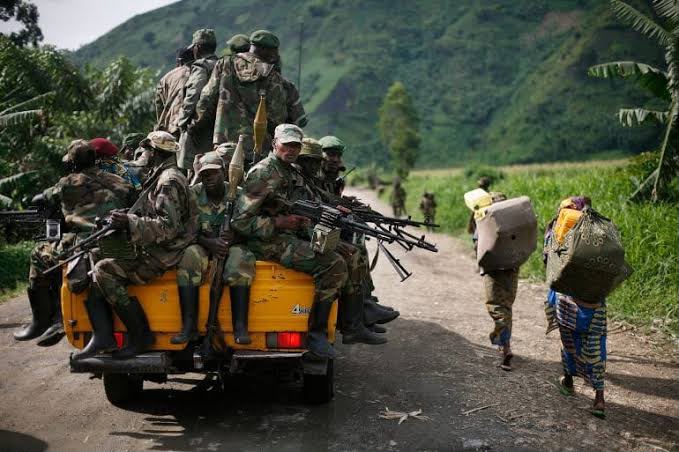

At least 44 civilians have been killed in attacks by Islamic State-linked gunmen in northeastern Democratic Republic of the Congo (DRC), humanitarian and security sources said Friday, as renewed violence deepens the humanitarian crisis in the country’s Ebola-affected eastern region.
The latest attacks were carried out by the Allied Democratic Forces (ADF) in villages across Mambasa territory in Ituri Province, roughly 100 kilometres from areas where the Ebola outbreak was first detected six months ago.
The raids came just days after the armed group reportedly killed 66 people in neighbouring North Kivu, bringing the death toll from the latest wave of attacks to at least 110.
A humanitarian source, speaking anonymously, said ADF fighters remained active in the surrounding forests and had established ambushes in the area.
Gabriel Tonge, a local official, said some victims’ bodies had been found several days after the attacks. He reported that civilians were killed using firearms and machetes.
The violence has further heightened concerns over the safety of civilians and humanitarian personnel in a region already struggling with a major Ebola epidemic.
Three health workers were reportedly among those killed in the North Kivu attacks, while several medical facilities were burned. The incidents prompted World Health Organization Director-General Tedros Adhanom Ghebreyesus to warn that persistent insecurity was one of the greatest obstacles to the Ebola response.
The epidemic, declared in May, has become the country’s deadliest Ebola outbreak, with more than 5,400 reported deaths. The virus has spread across parts of eastern and northeastern DRC, where armed groups have operated for more than three decades.
The ADF, originally formed by Ugandan rebels, has been responsible for repeated attacks on civilians in Ituri and North Kivu. The group has also targeted health workers involved in the response to the outbreak.
Congolese and Ugandan forces have deployed troops to the region to pursue the ADF, but military operations have so far failed to contain the group’s activities.
The latest killings underscore how prolonged armed conflict continues to undermine public health operations and humanitarian access across northeastern DRC.


