
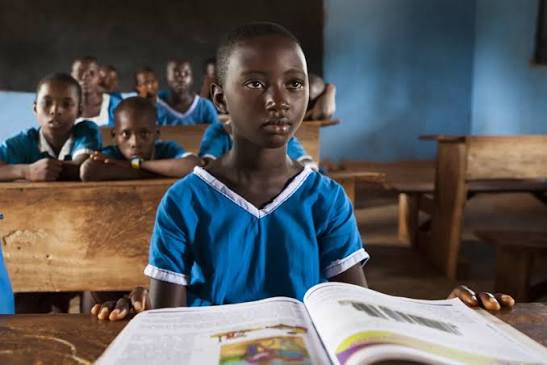

A UNICEF-supported education initiative has facilitated the transition of 877 out-of-school children into formal schools in Nigeria’s northeastern Yobe State, as efforts intensify to expand access to education for vulnerable children affected by conflict, displacement and other barriers to schooling.
The Global Village Healthcare Initiative for Africa (GHIV Africa) implemented the intervention in Jakusko Local Government Area under the Education Cannot Wait (ECW)-funded Multi-Year Resilience Programme (MYRP II).
The achievement was announced at a mainstreaming ceremony in Jakusko, where children who completed the Accelerated Basic Education Programme (ABEP) and Tsangaya learning programmes were recognised for their progress.
GHIV Africa Executive Director Mulikat Bamidele said the initiative initially enrolled 1,131 children, of whom 1,080 participated in the final examinations.
Of those who completed the programme, 877 are set to transition into formal schools, while 150 will pursue vocational and livelihood skills training. Another 53 learners from Tsangaya centres have opted to continue their Islamic education.
Providing a breakdown, Bamidele said 911 children enrolled in Accelerated Basic Education Programme centres, with 815 progressing to formal schools and 96 moving into vocational and livelihood skills programmes.
A further 169 children participated in Tsangaya learning centres. Of these, 62 will transition into formal schools, 54 will undertake vocational training, while 53 have chosen to continue their Islamic education.
Bamidele described the mainstreaming exercise as an important milestone in expanding educational opportunities for children who have faced barriers to conventional schooling.
She said the three-year intervention was currently in its second year, with plans to enrol another group of beneficiaries and extend the programme to additional communities.
She added that GHIV Africa would continue supporting the children beyond the completion of their non-formal education programmes to ensure they successfully transition into their respective learning pathways.
The organisation plans to strengthen follow-up activities through community volunteers, regular engagement with parents and teachers, and collaboration with school authorities to monitor attendance, address emerging challenges and prevent school dropout.
In his address at the ceremony, Yobe State Commissioner for Basic and Secondary Education Abba Idris Adam commended GHIV Africa, UNICEF and other development partners for supporting the government’s efforts to address the challenge of out-of-school children.
Adam, represented by the ministry’s Director of Quality Assurance, Adamu Garba, reaffirmed the state government’s commitment to ensuring that every child has access to education.
He urged learning facilitators to intensify efforts to identify children who remain outside the education system, particularly those in rural communities, markets and other public spaces, and encourage their enrolment in learning centres.
The commissioner also called on parents, caregivers and community leaders to cooperate with implementing organisations, stressing that education is a fundamental right of every child.
Meanwhile, Secretary of the Yobe State Agency for Mass Education Usman Gwasko described the initiative as an important bridge between non-formal and formal education, providing opportunities for children who have missed conventional schooling to acquire foundational knowledge and continue their education.
The Executive Secretary of the Yobe State Arabic and Islamic Education Board, Umar Abubakar, represented by Usman Lawan, also commended the initiative for expanding educational opportunities for children attending Tsangaya learning centres.
Some beneficiaries, including Abubakar Yusuf and Umaima Ahmed, expressed appreciation to GHIV Africa and its partners, saying the programme had strengthened their determination to continue learning.
Each learner transitioning through the programme received school uniforms, writing materials, footwear and a certificate in recognition of their participation and achievements.
The intervention is being implemented by GHIV Africa with support from UNICEF through the Education Cannot Wait-funded Multi-Year Resilience Programme, which aims to improve access to quality and inclusive education for conflict-affected and out-of-school children.


