
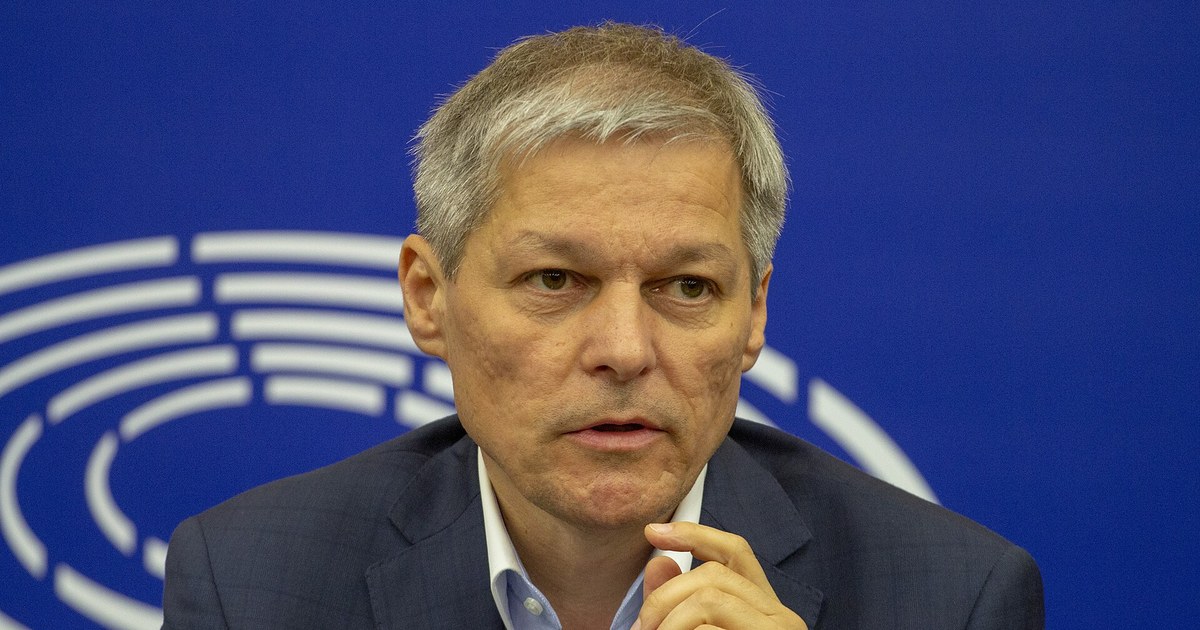

The Democratic Republic of Congo said on Saturday it may withdraw its candidate from the Francophonie election and back Romania’s Dacian Ciolos, two days before leaders choose the organisation’s next secretary-general in Phnom Penh.
The offer turns Kinshasa’s campaign against Rwanda’s Louise Mushikiwabo, who is seeking a third term, into a search for a compromise candidate. It also raises the stakes for the International Organisation of La Francophonie (OIF), which Congo has reportedly threatened to leave if she is reappointed.
What has DR Congo proposed in the Francophonie election?
Congo’s foreign ministry said in a statement issued during the OIF ministerial conference in the Cambodian capital that, after consultations with Romania, it was ready to “examine a joint approach” in favour of Ciolos, Actualite.cd reported. The statement was in French.
The candidacy of Juliana Amato Lumumba, a former culture minister and daughter of independence leader Patrice Lumumba, remains in place for now. Kinshasa asked the other candidates and the states backing them to show the same openness, and recalled that the secretary-general is traditionally chosen by consensus.
Why is Congo opposing Mushikiwabo?
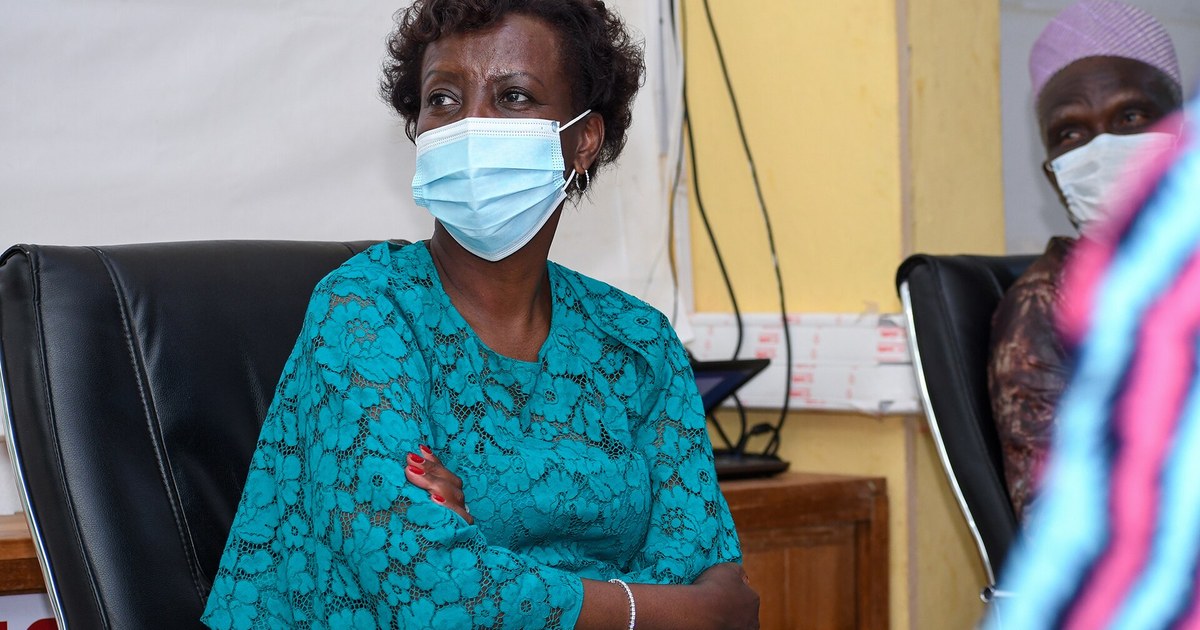
Congo accuses Rwanda of supporting the M23 rebels in the fighting in eastern Congo, an accusation Kigali has long denied. Mushikiwabo was Rwanda’s foreign minister before she took over the OIF.
President Felix Tshisekedi warned Paris that Congo would leave the organisation if Mushikiwabo was reappointed, Actualite.cd reported, citing its own information. Patrick Muyaya, Congo’s communications minister, said there would be “consequences” if the choice made in Phnom Penh did not reflect the values his country stood for, according to RFI.
Mushikiwabo dismissed the reported threat. “A great country, a great people cannot resort to blackmail,” she said in remarks in French carried by Mediacongo. She added that the OIF had 53 decision-making countries and that none of them held a veto.
Her spokesperson, Oria Vande Weghe, pointed to reforms carried out since 2018, including a clear procedure for electing the secretary-general, RFI reported.
A Congolese exit would be costly. Francis Kpatinde, a lecturer at Sciences Po Paris, told RFI that Congo was the leading French-speaking country, with 57mn speakers, and that its withdrawal “will be the end of the OIF”. Burkina Faso, Mali and Niger left the organisation in March 2025.
Who is Dacian Ciolos and where does France stand?
Ciolos is a former Romanian prime minister and European commissioner for agriculture, and the only non-African among the four candidates. Romania has been a full member since 1993. On 11 November he announced that Romanian universities would offer up to 1,709 scholarships to African students under a programme agreed with the African Union Commission.
France’s position has not been made public. Jeune Afrique reported that President Emmanuel Macron asked Rwanda’s Paul Kagame to withdraw Mushikiwabo’s candidacy to prevent Congo from leaving. The report rests on the magazine’s own sources and has not been confirmed by Paris or Kigali.
RFI said Macron met Ciolos at the most recent European Council but that Paris had not announced support for any candidate.
What happens next?
The 20th Francophonie summit runs on 15 and 16 November. The secretary-general is due to be named at the closing session on Monday.
Consensus is the preferred method under rules adopted at the 2022 summit in Djerba, Tunisia. If none emerges, the leaders of the OIF’s 53 full members can settle the Francophonie election by simple majority, RFI reported.
The fourth candidate is Coumba Ba, a doctor and former minister from Mauritania. Africa accounts for 26 of the OIF’s members and about 65 per cent of the world’s French speakers, according to RFI, which makes the continent’s votes decisive in this Francophonie election.
The winner will serve a four-year term from 2027 to 2030.
FAQ
When is the Francophonie election?
The secretary-general is due to be chosen on Monday 16 November 2026, at the closing session of the summit in Phnom Penh, Cambodia.
Who are the candidates in the Francophonie election?
Louise Mushikiwabo of Rwanda, the incumbent; Juliana Amato Lumumba of DR Congo; Coumba Ba of Mauritania; and Dacian Ciolos of Romania.
Has DR Congo withdrawn its candidate?
No. Congo’s foreign ministry said it was ready to examine a joint approach with Romania in favour of Ciolos, but Lumumba’s candidacy remained in place on Saturday.
How is the OIF secretary-general chosen?
By consensus where possible. If members cannot agree, the heads of state and government of the 53 full members vote, and a simple majority wins.
Has Congo said it will leave the OIF?
Not publicly. Congolese and French-language media have reported that Kinshasa threatened to withdraw if Mushikiwabo wins a third term; a minister spoke only of “consequences”.


