
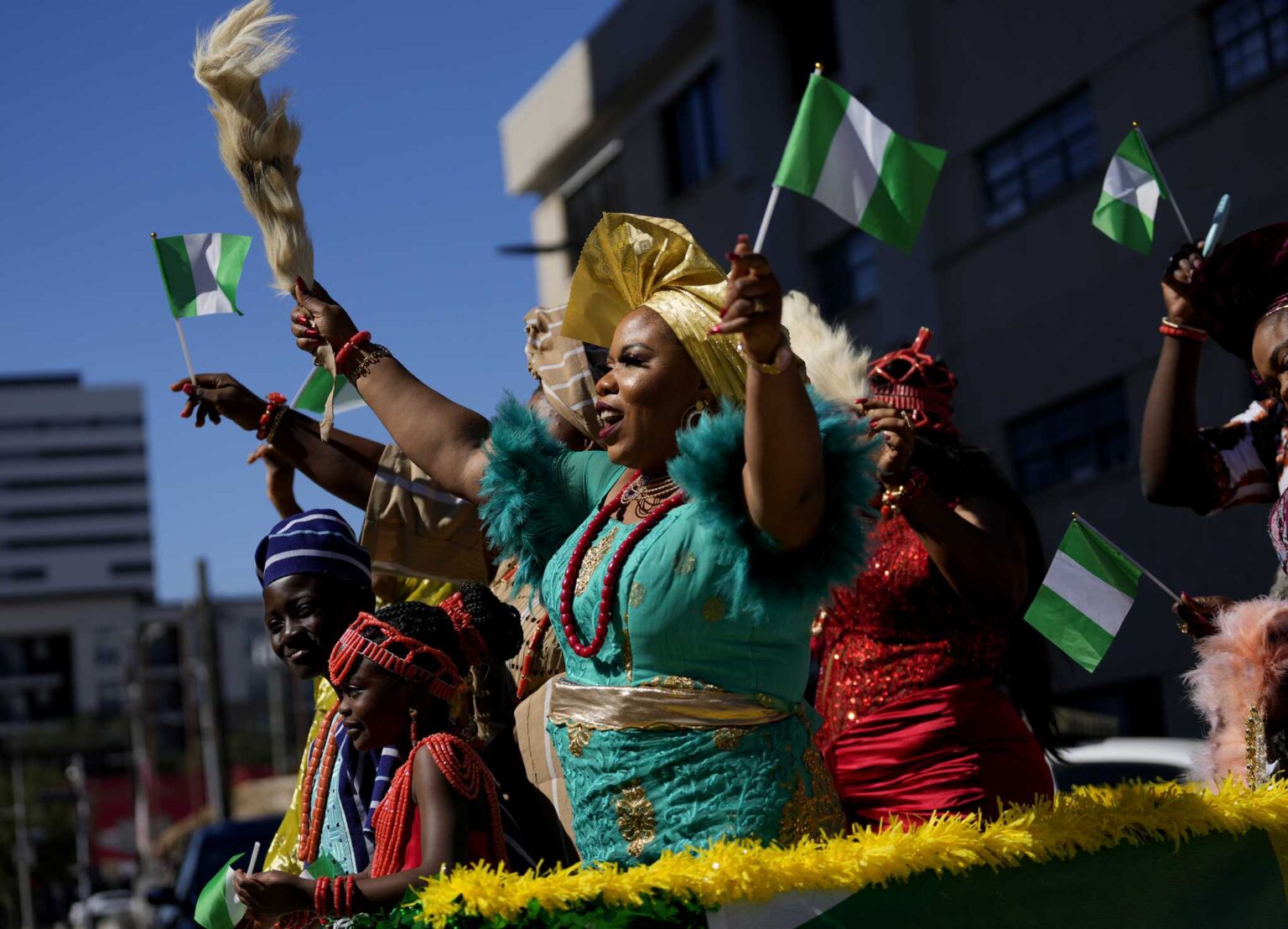

Nigeria celebrates its 66th Independence Anniversary on October 1, marking 66 years since the country gained independence from British colonial rule in 1960.
Independence Day is observed annually as a national public holiday and remains an important occasion for Nigerians to celebrate the country’s history, cultural diversity and national identity.
Nigeria gained independence on October 1, 1960, with Sir Abubakar Tafawa Balewa becoming the country’s first Prime Minister. Nnamdi Azikiwe later became Nigeria’s first President when the country became a federal republic in 1963.
The anniversary is traditionally marked by official ceremonies, cultural performances, religious services, public lectures and a national address by the President. Nigerians also embrace the occasion by wearing the country’s green and white colours and showcasing elements of their diverse cultural heritage.
For the 2026 anniversary, the Federal Government has announced a low-key programme that includes religious services, a public lecture and a nationwide address by President Bola Ahmed Tinubu. The government said the celebrations will provide an opportunity to reflect on Nigeria’s journey since independence and its efforts toward greater stability and prosperity.
More than six decades after independence, October 1 continues to serve as a moment for Nigerians to celebrate their shared heritage while reflecting on the country’s journey from colonial rule to sovereignty.


