


Nigeria’s telecoms regulator is considering extending spectrum licences from the customary 10 years to 15 for operators that commit to extra network investment, officials of the Nigerian Communications Commission said in Abuja on Thursday 12 November.
The proposal would change how Africa’s largest mobile market prices a scarce public resource. Instead of treating airwaves mainly as a source of government revenue, the commission (NCC) wants to trade better licence terms for wider coverage and better service. It has opened a public consultation that closes on 30 November.
What is the NCC proposing on spectrum licences?
The change to spectrum licences sits inside a draft Incentive-Based Spectrum Investment Framework, set out in a consultation paper dated 12 November. The paper says the framework would link “spectrum-related incentives” to infrastructure investment that is additional to operators’ existing obligations and can be verified.
Longer spectrum licences are one of the incentives under discussion. “One of the things we want to do is to move the licence from 10 years to 15 years,” officials told a media briefing, according to TechCabal. The aim, they said, was to give operators more certainty that they could recover their spending. The consultation paper itself does not specify a tenure.
Spectrum is the range of radio frequencies that carries mobile calls and data. Operators such as MTN, Airtel and Globacom pay the state for the right to use particular bands for a fixed period, so the length of a licence affects how much they are willing to spend on masts and equipment that use it.
What would operators have to do in return?
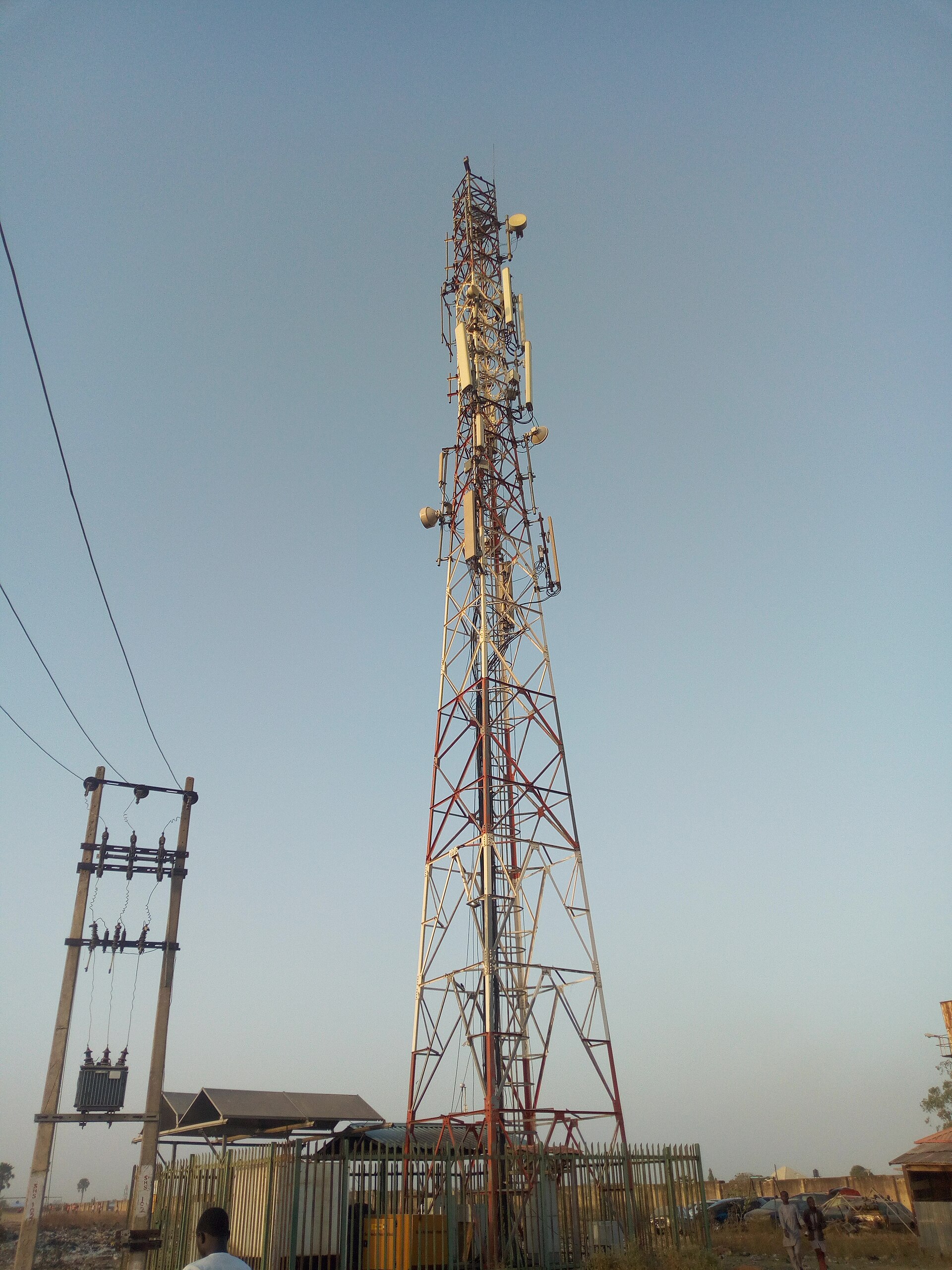
Operators seeking the incentives could be required to build additional base stations, extend broadband to poorly connected communities or upgrade equipment in congested areas, The Guardian Nigeria reported. Delivery would be independently verified.
“Operators would also be subject to monitoring and accountability arrangements to establish whether they have fulfilled their investment obligations,” said Umar Abdullahi, special assistant (technical) to the commission’s executive vice-chairman, according to Nairametrics.
The commission said the plan was not a general price cut. “It’s not really per se that we are reducing the price of spectrum,” officials said, in TechCabal’s account. The consultation paper adds that safeguards would protect competition, efficient use of spectrum and the government’s fiscal interests.
No eligibility rules, size of incentive or start date have been set. The 15-year spectrum licences would not be a blanket change: existing rules already allow tenures of up to 15 years, though 10 has been the norm.
Why is Nigeria considering longer spectrum licences now?
Demand is outrunning the networks. Monthly mobile data use rose from about 518,000 terabytes in January 2023 to 1.66mn terabytes in July 2026, roughly 3.2 times as much, the consultation paper says. Officials put the September figure at 1.73mn terabytes.
Coverage has not kept pace. 4G reaches slightly more than 80% of the population, but 5G covered only about 13% as of April 2026, according to the commission’s figures. Operators have long argued that licence fees, power costs and a weaker naira limit what they can invest. The commission’s argument that longer spectrum licences will unlock that spending is a forecast, and the framework’s test will be whether the investment it rewards is new.

The proposal follows a recovery in the market. Nigeria’s active mobile lines recently returned to 200mn, as DNE Africa reported in its coverage of Nigeria’s mobile subscriptions, and regional groups are leaning on the country for growth, as Vodacom’s latest results showed elsewhere on the continent.
What happens next?
Comments on the paper are due by 30 November 2026. The commission said it would refine the framework after hearing from industry and the public, and introduce it in phases. Operators had not responded publicly by Friday afternoon.
FAQ
How long do spectrum licences last in Nigeria?
Ten years has been the customary tenure, although existing rules allow up to 15. The regulator is considering making 15 years available to operators that commit to extra investment.
Has the NCC approved 15-year spectrum licences?
No. It is a proposal under consultation, with no eligibility rules or start date yet.
What is the Incentive-Based Spectrum Investment Framework?
It is a draft NCC policy that would give operators spectrum-related incentives in return for additional, verifiable investment in coverage, capacity and service quality.
When does the consultation close?
The commission asked for comments by 30 November 2026.


