
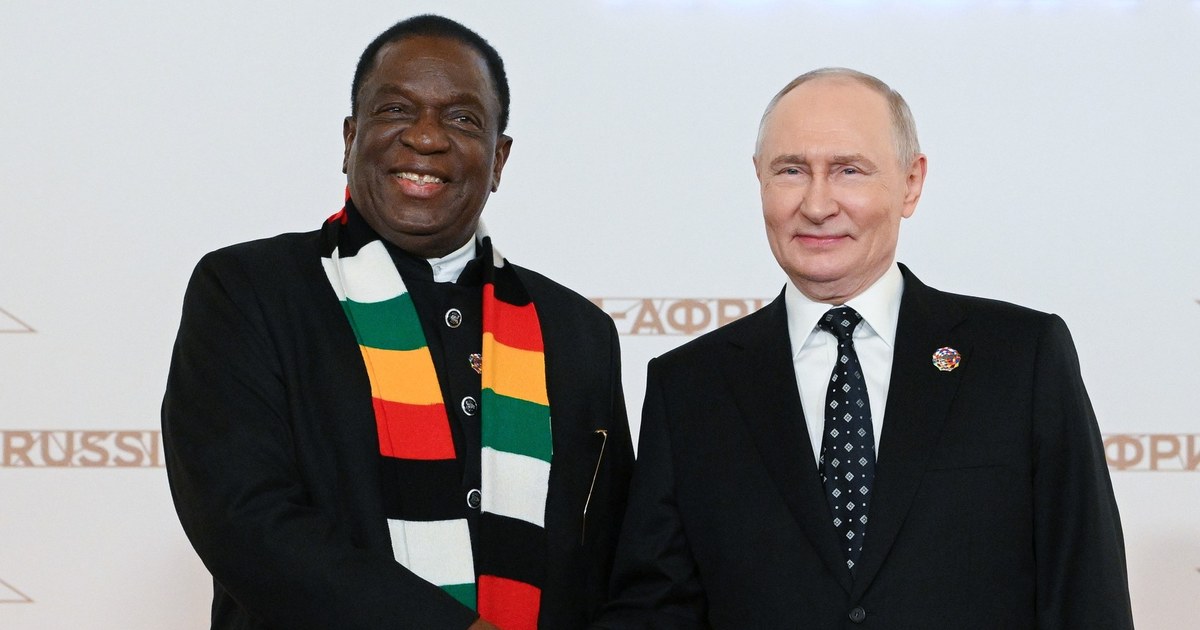

Tagwirei powers in Zimbabwe’s new economic development ministry cover only two laws under an order from President Emmerson Mnangagwa gazetted this week, while finance minister Mthuli Ncube keeps 58.
The division matters because Kudakwashe Tagwirei, a wealthy businessman who joined the cabinet about a month ago, is widely described in the Zimbabwean press as a possible successor to Mr Mnangagwa. The instruments leave control of tax, borrowing and banking law with the Treasury.
What Tagwirei powers does the new order set out?
Statutory Instrument 181 of 2026 assigns the minister of economic development and investment promotion the Competition Act and the Census and Statistics Act, New Zimbabwe reported on Friday 13 November. The notice cites section 104 of the constitution, which lets the president allocate the administration of laws to ministers.
A companion notice, Statutory Instrument 180, gives the finance minister the laws that cover taxation, public finances, banking and the national debt. They include the Income Tax Act, the Value Added Tax Act, the Public Finance Management Act, the Reserve Bank of Zimbabwe Act and the Exchange Control Act, according to The Zimbabwe Mail.
Statutory instruments are published in the Government Gazette and collected by Veritas, a legal information group in Harare.
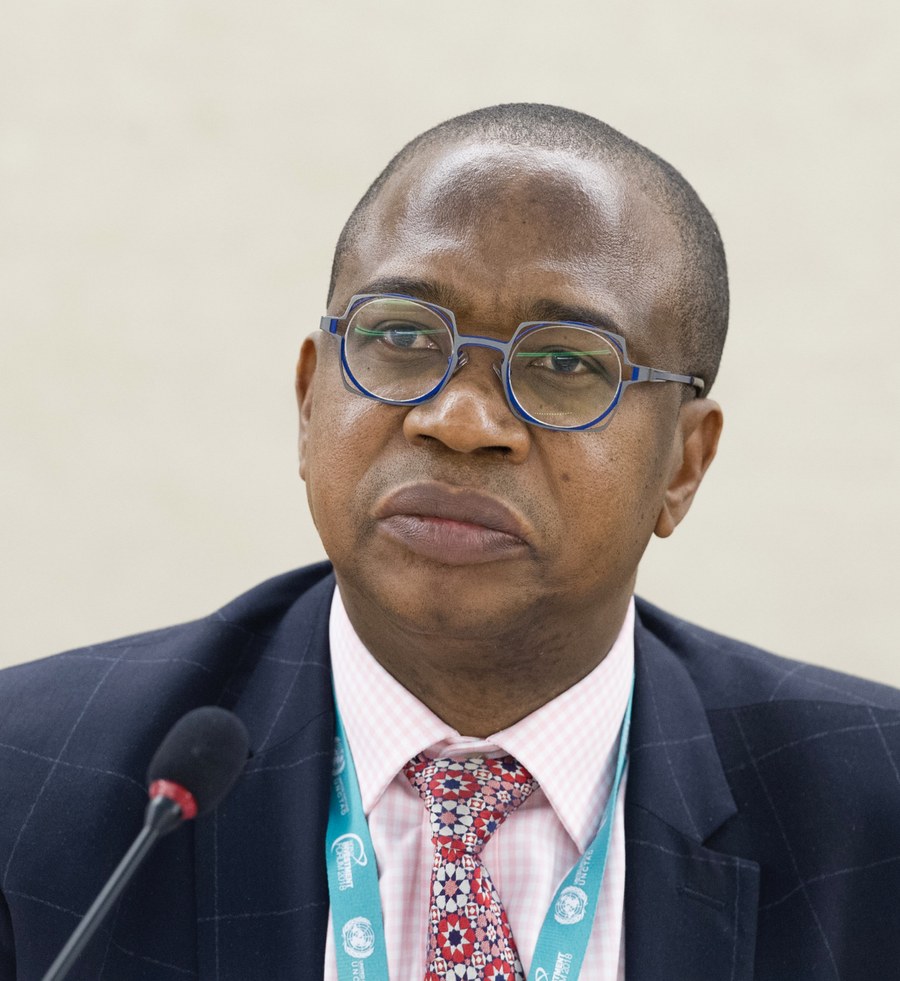
Are the Tagwirei powers a rebuke or a clarification?
The two readings differ. New Zimbabwe and ZimLive, both privately owned, said the president had clipped his ally’s wings and left him little to do. The Zimbabwe Mail said the instruments removed uncertainty after the restructuring, and the state-owned Herald reported that the president had clarified the roles of the economic ministries.
Competition policy and national statistics are relevant to investment promotion, The Zimbabwe Mail noted, but the notices do not move the main fiscal and financial instruments to the new portfolio. The ministry also oversees the Zimbabwe Investment and Development Agency.
Neither Mr Tagwirei nor the president’s office had commented publicly on the Tagwirei powers question in the reports seen by DNE Africa.
Who is Kudakwashe Tagwirei?
Mr Tagwirei built a business group with interests in fuel, mining and banking. He has risen quickly in the ruling Zanu-PF, entering the Senate, the central committee and the politburo before his appointment to the new ministry, New Zimbabwe said. His deputy is Clemence Chiduwa.
The United States placed him under sanctions in 2020 and listed him again in March 2024, when the US Treasury designated Mr Mnangagwa and others over alleged corruption and human rights abuse. Both men have rejected such allegations in the past. Critics quoted by New Zimbabwe have asked whether the listing could hamper a minister whose job is to attract investors.
Mr Mnangagwa has courted other partners. He was among the leaders who attended the Russia-Africa summit in Moscow last month.
What does it mean for Zimbabwe’s economy?
For investors, the practical effect is continuity: Mr Ncube, in office since 2018, remains responsible for the budget, the currency framework and talks with creditors. Zimbabwe is seeking to clear arrears on external debt, a process in which economists say African states must turn outside support into lasting growth.
The Tagwirei powers could still widen. The president can reassign laws by a further notice at any time, and the new ministry may be given additional functions as it is set up.
FAQ
Which laws fall under the Tagwirei powers?
The Competition Act and the Census and Statistics Act, under Statutory Instrument 181 of 2026.
How many laws does the finance minister administer?
Fifty-eight, according to New Zimbabwe, including the main tax, banking, public finance and debt laws.
Did the president reduce the Tagwirei powers?
Privately owned outlets describe the order as a limit on the new minister. State media and The Zimbabwe Mail present it as a clarification of roles. The government has not commented.
Is Kudakwashe Tagwirei under sanctions?
Yes. He is on the US sanctions list; Washington last designated him in March 2024.


