
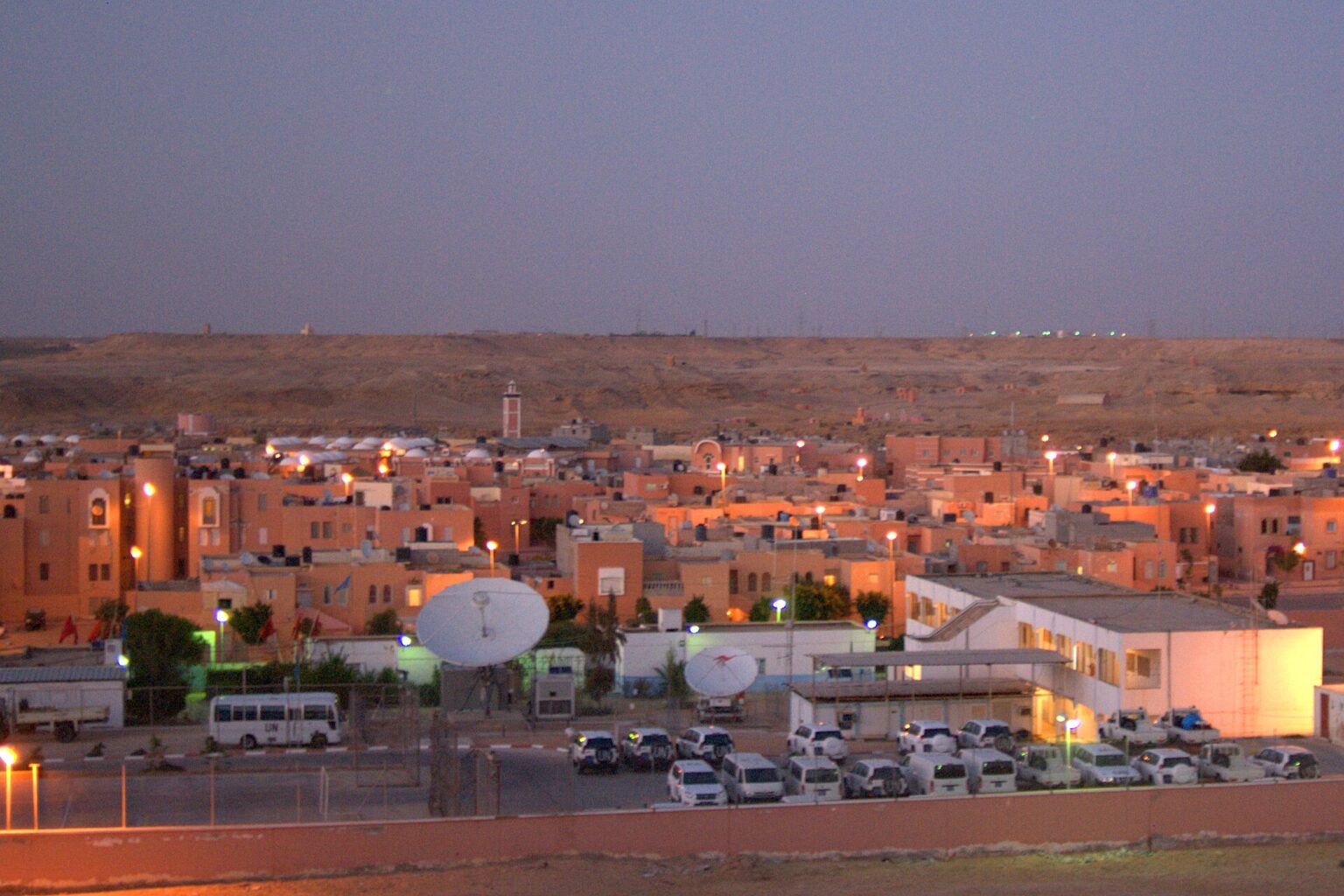

The Polisario mobilisation, declared on 10 November, urges all Sahrawis to be ready to defend their right to self-determination, days after the UN peacekeeping mission in Western Sahara, MINURSO, began winding down after 35 years.
The Polisario mobilisation is the first major move by either side since the Security Council let the mission’s mandate lapse, and a French political scientist told RFI it marks a “moment of rupture”. No Moroccan official response was found in the reporting reviewed.
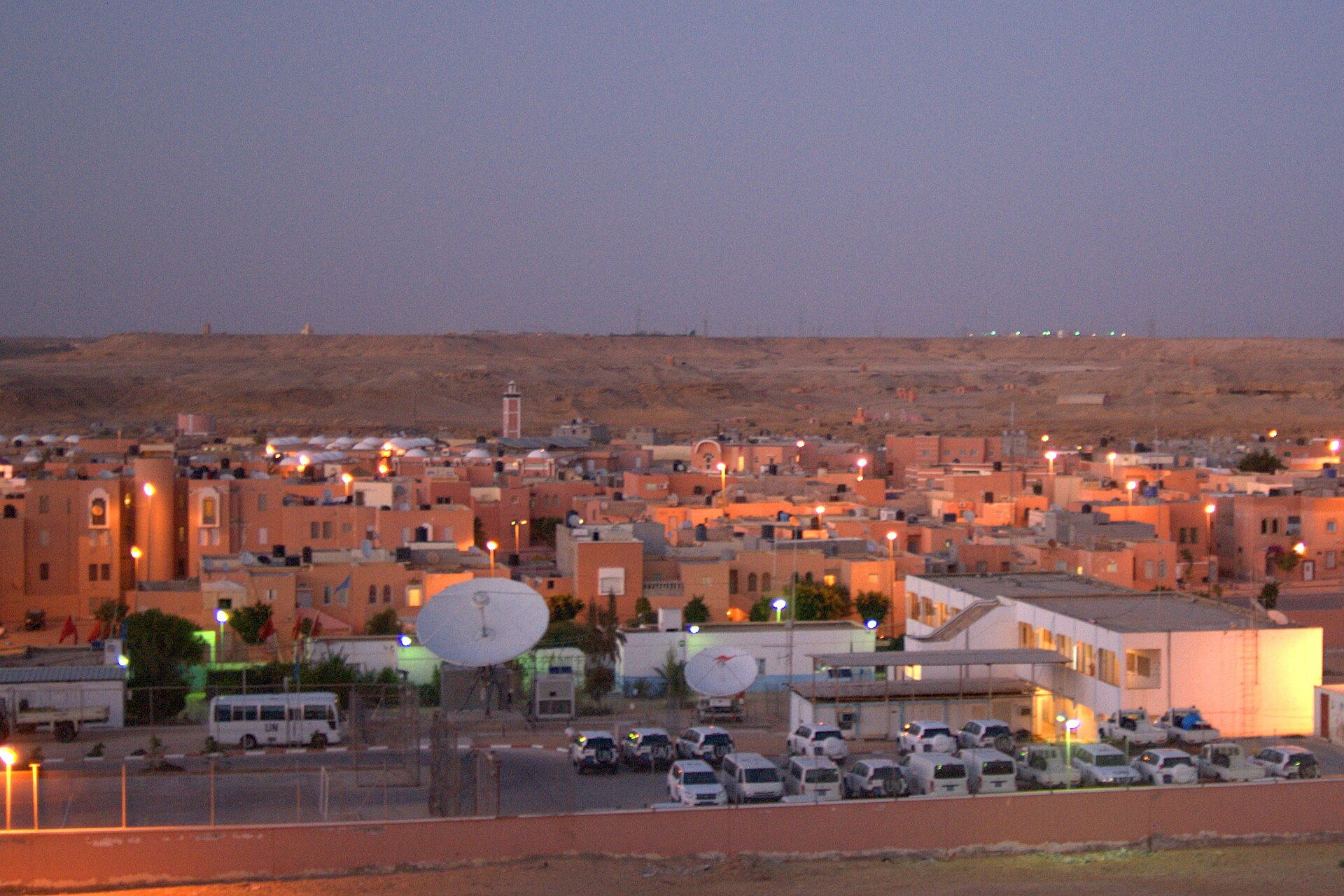
What did the Polisario mobilisation announcement say?
Brahim Ghali, the Polisario’s secretary general and president of the self-declared Sahrawi Arab Democratic Republic, proclaimed the mobilisation at an extraordinary meeting of the movement’s national secretariat, RFI reported. The Polisario’s statement, carried by the Sahrawi press agency SPS, described the step as a “direct response” to rising tension and to Moroccan military activity it called “dangerous” along the sand wall, the barrier Morocco built across the territory in the 1980s.
The statement gave no figures for mobilised fighters and no timetable. The Polisario’s claims about Moroccan troop movements are its own and have not been independently confirmed. It also called on the United Nations and the African Union to take responsibility for decolonisation and warned of possible escalation.
Why does the end of MINURSO matter?
The Security Council did not renew MINURSO’s mandate after rival US and Russian draft resolutions were defeated on 31 October, the Associated Press reported. The mission has entered liquidation, with a smaller team left to oversee the withdrawal of personnel and the closure of bases. UN Secretary-General António Guterres has said he is concerned about the security situation and the risk of hostilities escalating, according to Al Jazeera.
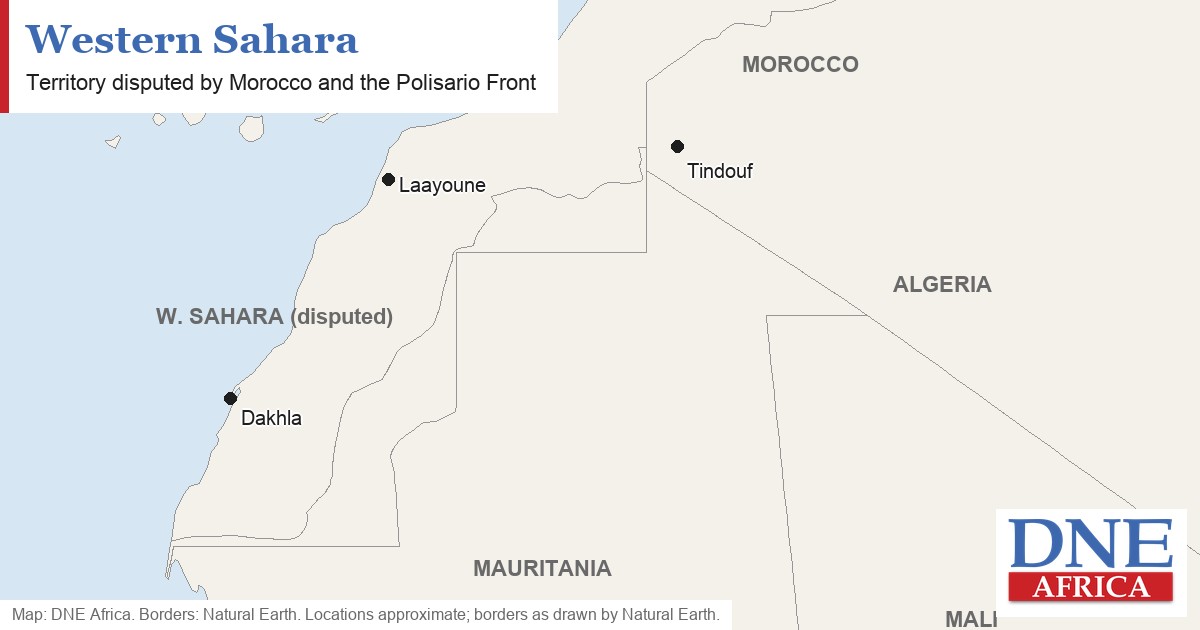
Morocco controls most of Western Sahara, a former Spanish colony until 1975, while the Polisario, backed by Algeria, claims it for the Sahrawi people. The United Nations still lists it as a non-self-governing territory, RFI noted. The territory is rich in phosphate and fishing waters.
What do analysts say about the Polisario mobilisation?
Khadija Mohsen-Finan, a political scientist who specialises in the Maghreb, told RFI that “on the ground there is no longer MINURSO, and at the diplomatic level we face an impasse”. She said the threat was real because there was now “a direct face-to-face” between the two sides (translated from French). She suggested the Polisario may be trying to draw the UN and African Union back to the file so that it is not forgotten.
The analysis is one expert’s reading, and the Polisario mobilisation does not amount to an announced military operation.
What happens next?
MINURSO’s withdrawal has no announced end date, and no talks are scheduled, according to the reporting reviewed. The African Union, whose own missions face a funding gap in Somalia, has not been reported to respond to the Polisario mobilisation. The next signals to watch are any statement from Rabat or Algiers, any report of incidents along the berm, and whether the Security Council or the African Union Peace and Security Council takes up the Polisario’s appeal.
FAQ
What is the Polisario mobilisation?
The Polisario mobilisation is a call by the Polisario Front’s national secretariat on 10 November for all Sahrawis to be ready to defend their land and right to self-determination.
Why did the Polisario Front announce a general mobilisation?
The movement said it was responding to Moroccan military activity along the sand wall. The claim has not been independently confirmed.
What is MINURSO?
MINURSO is the UN peacekeeping mission in Western Sahara. It entered liquidation after the Security Council did not renew its mandate.
Who controls Western Sahara?
Morocco controls most of the territory. The Polisario Front, backed by Algeria, claims it for the Sahrawi people.


