
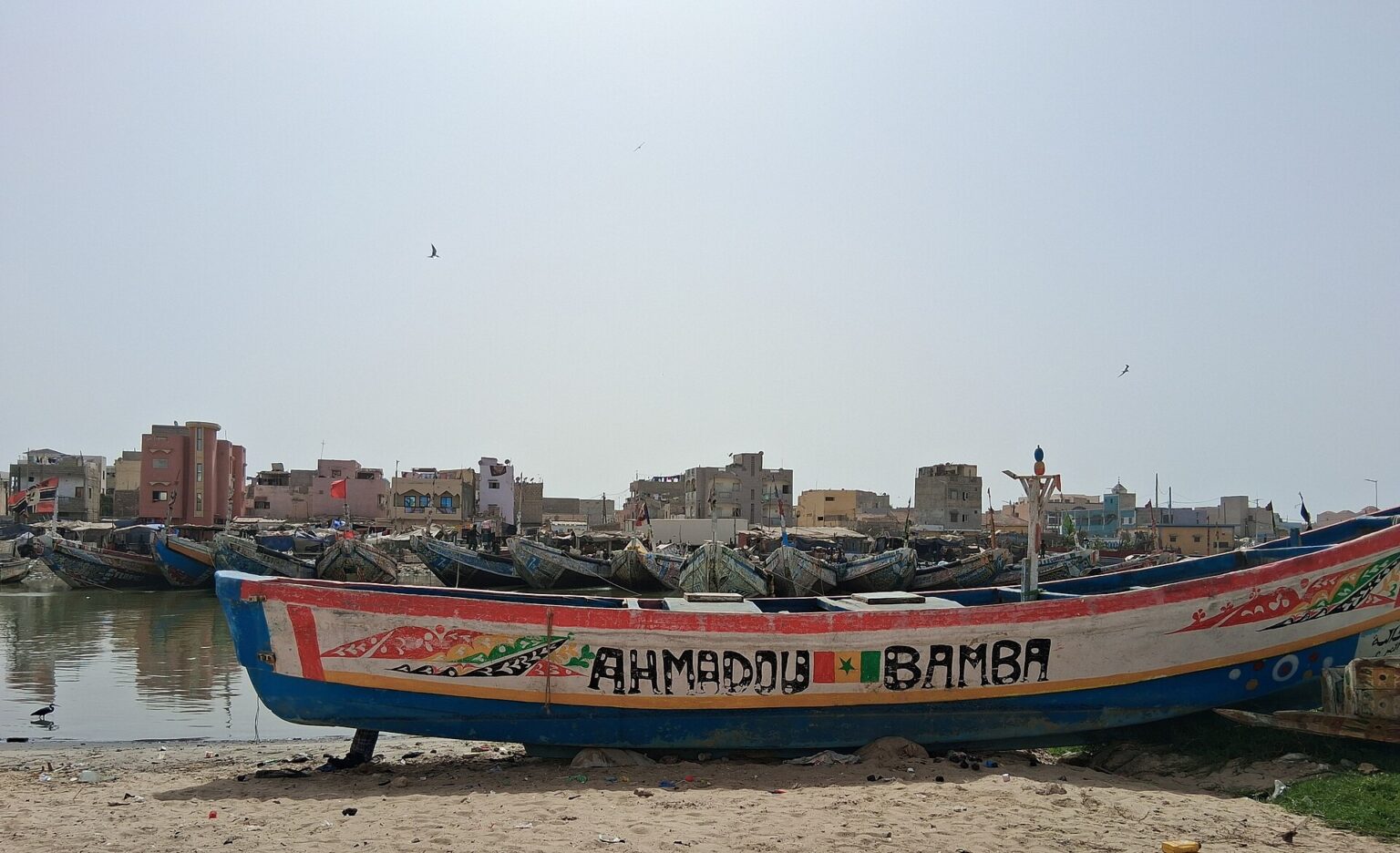

The Senegal boat sinking that killed at least 39 migrants on Sunday has prompted a rights group to demand a parliamentary inquiry into the government’s response to deadly Atlantic crossings.
The toll from the Senegal boat sinking rose from 21 to 34 and then to 39 as more bodies were recovered, according to Al Jazeera, citing AP and Reuters. This is an update on our earlier report of 34 deaths; the figures were first published on Monday, so this is written as analysis of the aftermath rather than breaking news.
What happened in the Senegal boat sinking?
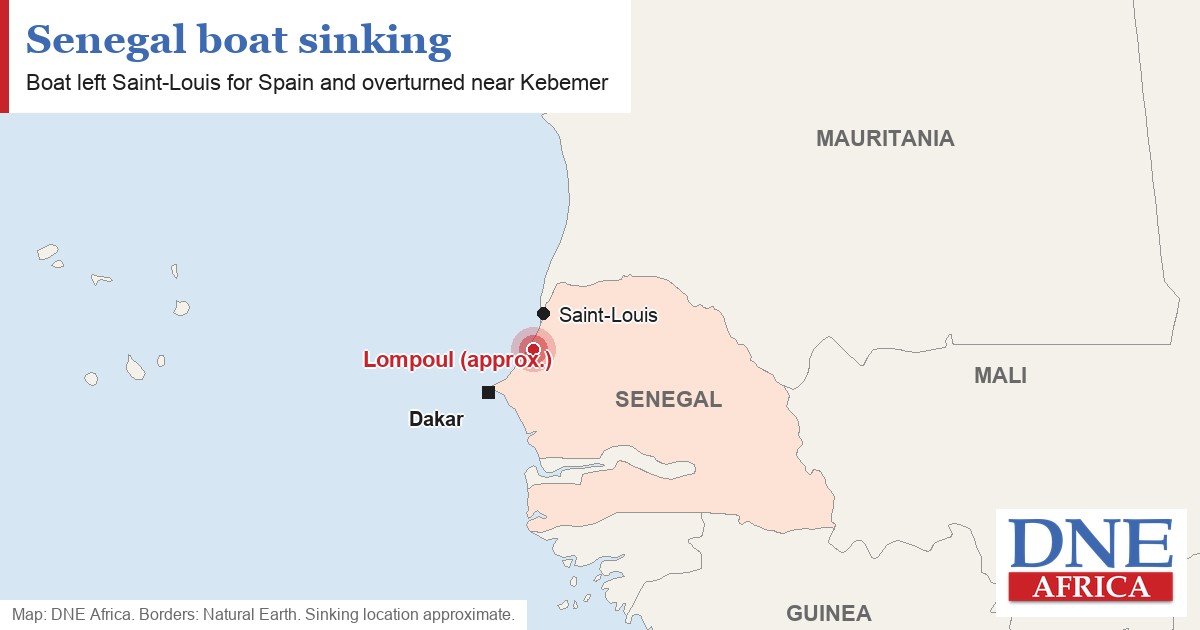
The flat-bottomed pirogue left Saint-Louis in northern Senegal, bound for Spain, and overturned off the Lompoul dunes in the Kebemer department, about 180km north of Dakar, state media said, according to Al Jazeera. Only one passenger was rescued alive, and several others are believed to be missing.
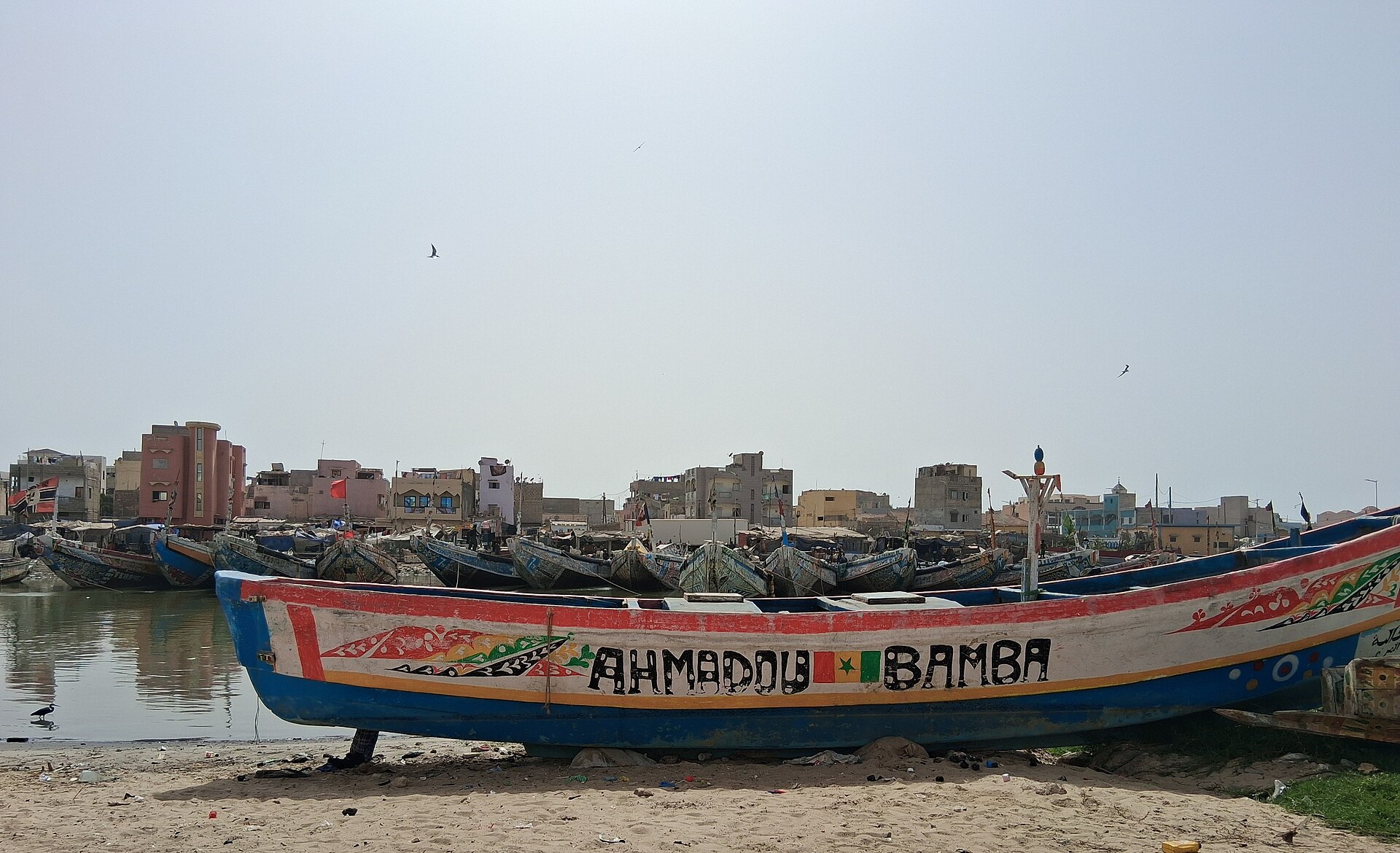
Senegal’s Ministry of the Interior and Public Security said the boat was carrying people seeking to migrate irregularly, but did not say how many were on board. The toll is therefore provisional, and the number of missing is not known. An aid group, Boza Fii, said all the bodies recovered so far were Senegalese, according to one report.
President Bassirou Diomaye Faye offered condolences and pledged to clamp down on the traffickers behind the crossings, Al Jazeera reported.
Why does the Senegal boat sinking raise questions for the government?
The Senegalese association Action for Human Rights and Friendship (ADHA) said it was “no longer enough to deplore shipwrecks, announce measures and count interceptions”, and called for a parliamentary inquiry. It said that despite 300,000 euros ($336,000) announced for the navy and the training of more than 300 agents, there was a “lack of lasting results” as irregular arrivals in the Canary Islands increase.
The government has not published a response to the inquiry demand in the material reviewed. The government’s position, as stated by the president, is that the focus is on dismantling trafficking networks.
How dangerous is the Atlantic route to the Canary Islands?
Thousands of people have died in recent years trying to reach Spain’s Canary Islands from West Africa, including 635 in the first five months of this year, according to the migrant rights group Walking Borders, cited by Al Jazeera. The International Organization for Migration’s Missing Migrants Project publishes data on deaths along migration routes, which can differ from figures compiled by advocacy groups because of different counting methods.
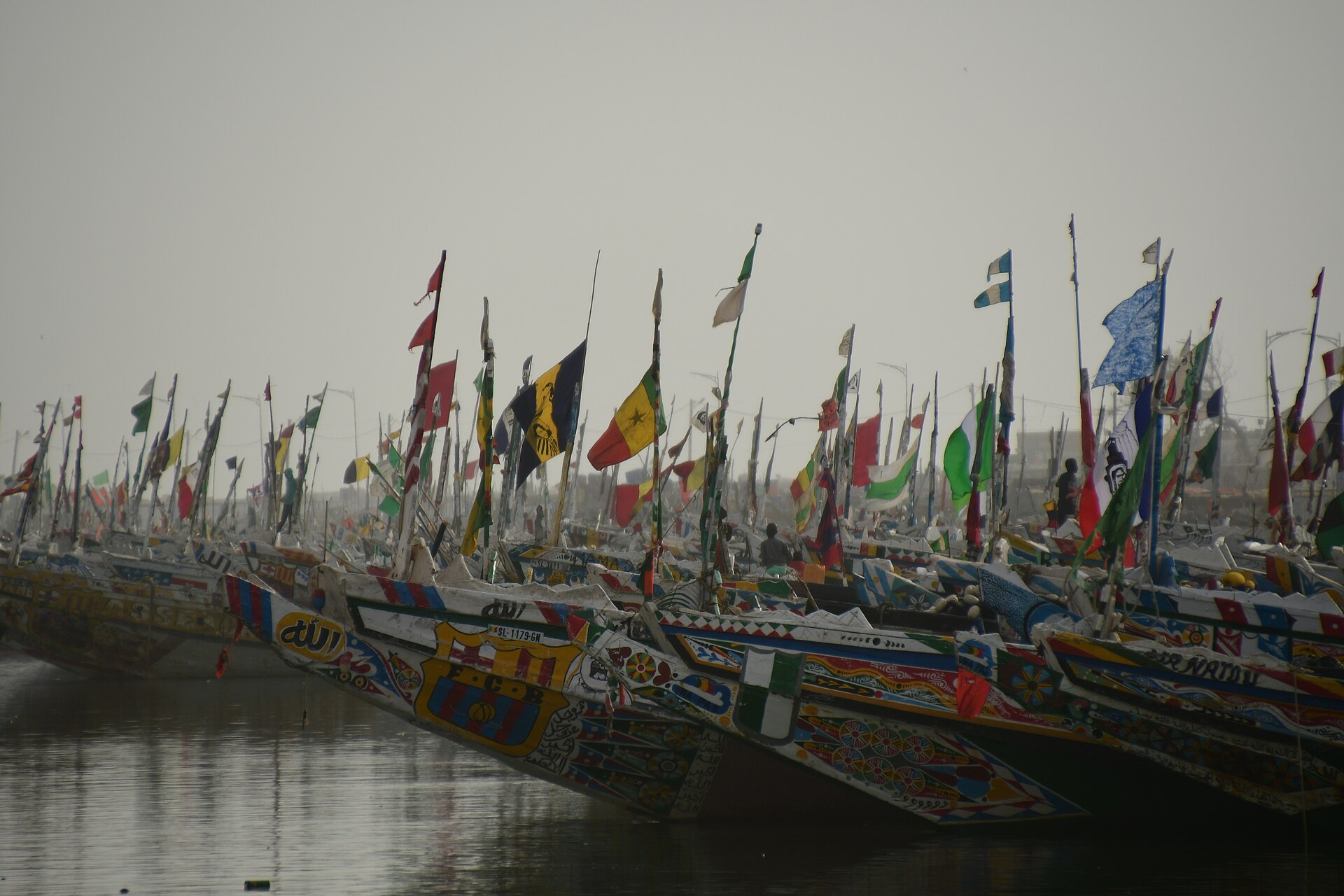
Spanish authorities on the island of El Hierro declared an emergency on Saturday after a surge in arrivals, Al Jazeera reported. Local authorities said more than 3,300 people had arrived on about 30 boats since the start of November.
The Senegal boat sinking happened a day after that declaration. No cause for the capsizing has been reported.
What happens next?
The search for missing passengers continues, and officials are expected to revise the death toll as more bodies are found. Parliament has not said whether it will respond to ADHA’s call for an inquiry. Attention will also turn to the navy’s patrols along the northern coast, and to the arrests of any organisers of the voyage.
FAQ
How many people died in the Senegal boat sinking?
At least 39 people died, according to reports citing Senegalese authorities. Only one passenger was rescued alive and several are believed missing.
Where did the Senegal boat sinking happen?
The boat overturned off the Lompoul dunes in the Kebemer department, about 180km north of Dakar, after leaving Saint-Louis for Spain.
What is the rights group demanding?
ADHA wants a parliamentary inquiry and said announced measures had not produced lasting results in reducing migrant deaths at sea.
How many migrants die on the route to the Canary Islands?
Walking Borders counted 635 deaths in the first five months of this year, according to Al Jazeera.


