
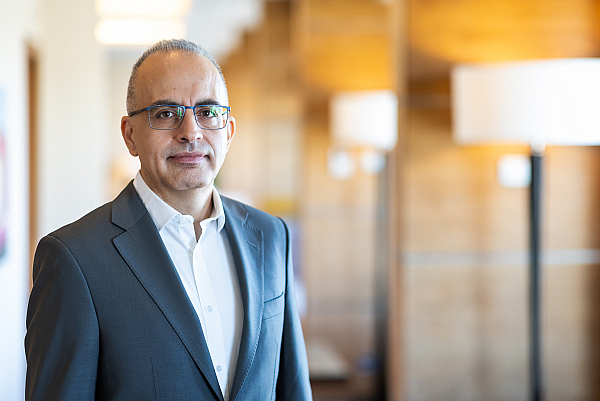

Companies caught up in damaging stories should not label all criticism as disinformation, Fadi El Abdallah, chief strategic adviser for reputation and crisis communications at APO Group, argued in a commentary distributed by APO.
APO Group is a communications firm that also distributes press releases, including this one. El Abdallah was spokesperson of the International Criminal Court for 15 years, he wrote.
What does he say about disinformation?
He cited this year’s anti-migrant protests in South Africa, which he said mixed real, sometimes fatal, attacks with false claims. The fact-checker Africa Check identified AI-altered clips and false posts about the protests, he wrote. Calling everything disinformation risks a second, bigger story, he argued.
He proposed three questions before any statement: whether the story is true, whether it is coordinated and where it is spreading, including in private WhatsApp groups and African languages, and whether coverage is fair or driven by stereotype. He cited a 2024 study by Africa No Filter and Africa Practice comparing election coverage of Nigeria and Malaysia.
How did the protests affect African relations?
Ghana, Nigeria and Malawi brought citizens home and Kenya, Lesotho and Zimbabwe issued warnings, he wrote. DNE Africa has reported on the tensions, including Ghana’s rejection of an MTN aid offer and migration on the SADC summit agenda. The APO Group piece is commentary, not new reporting.
FAQ
Who is Fadi El Abdallah?
He is chief strategic adviser for reputation and crisis communications at APO Group and a former International Criminal Court spokesperson.
What is his main argument about disinformation?
That organisations should check whether a story is true before responding, because dismissing a partly true story as disinformation can make it bigger.
Which fact-checker does he cite?
Africa Check, which he says identified AI-altered clips about South Africa’s protests.


