
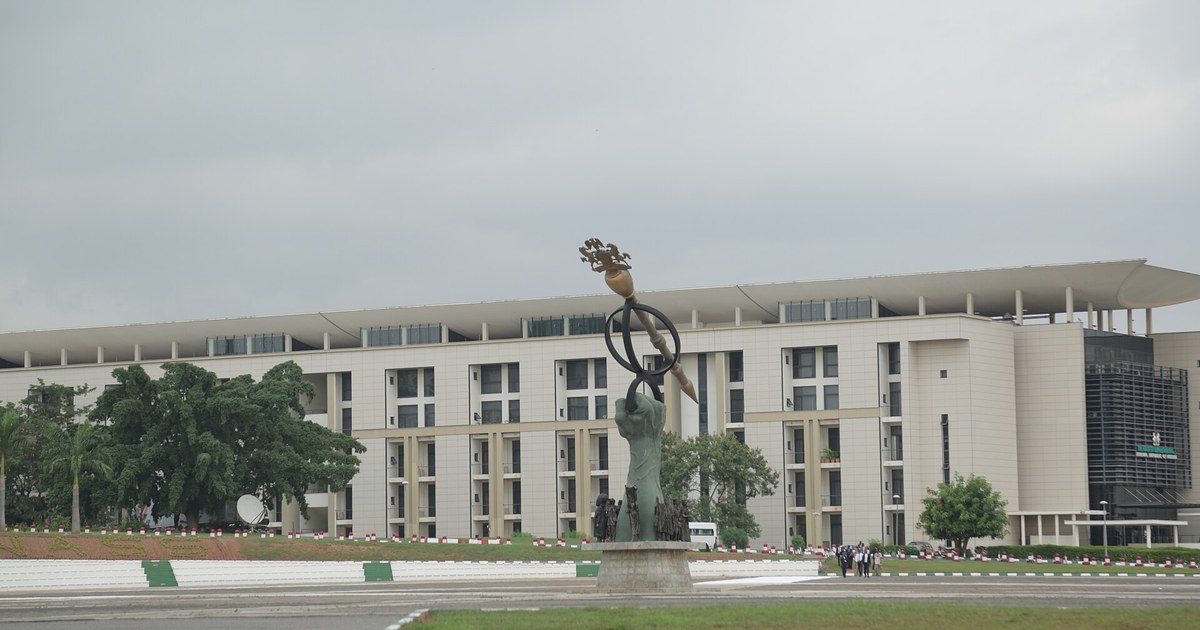

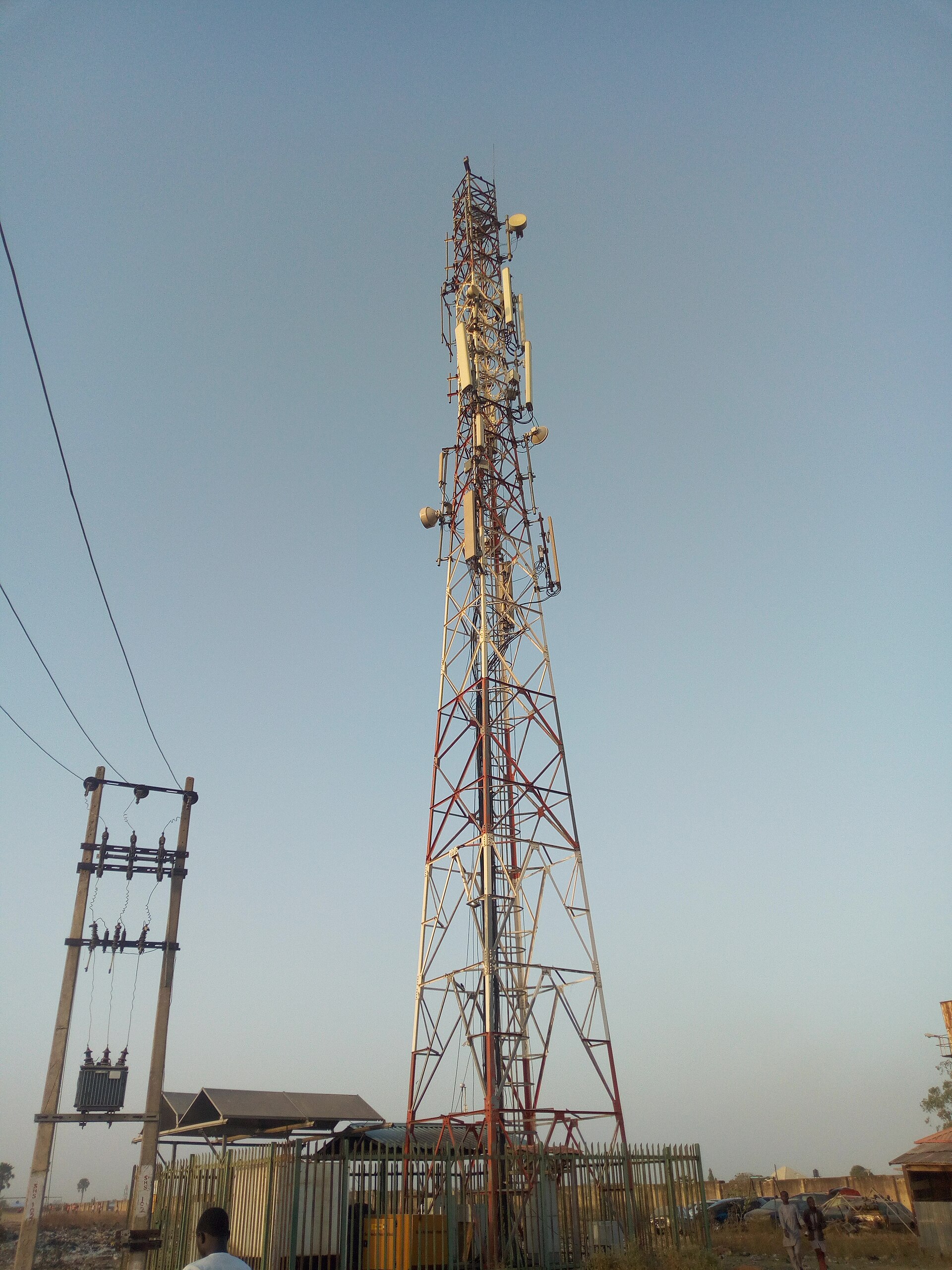
Nigeria’s mobile operators say the regulator, not the National Assembly, should answer for poor network quality, as both chambers press inquiries and the companies challenge one of them in court.
The dispute is about more than dropped calls. It will decide who holds Africa’s largest mobile market to account for service failures: the Nigerian Communications Commission (NCC), which licenses and polices the operators, or lawmakers who say subscribers are paying for calls that never connect.
What did the operators say about network quality?
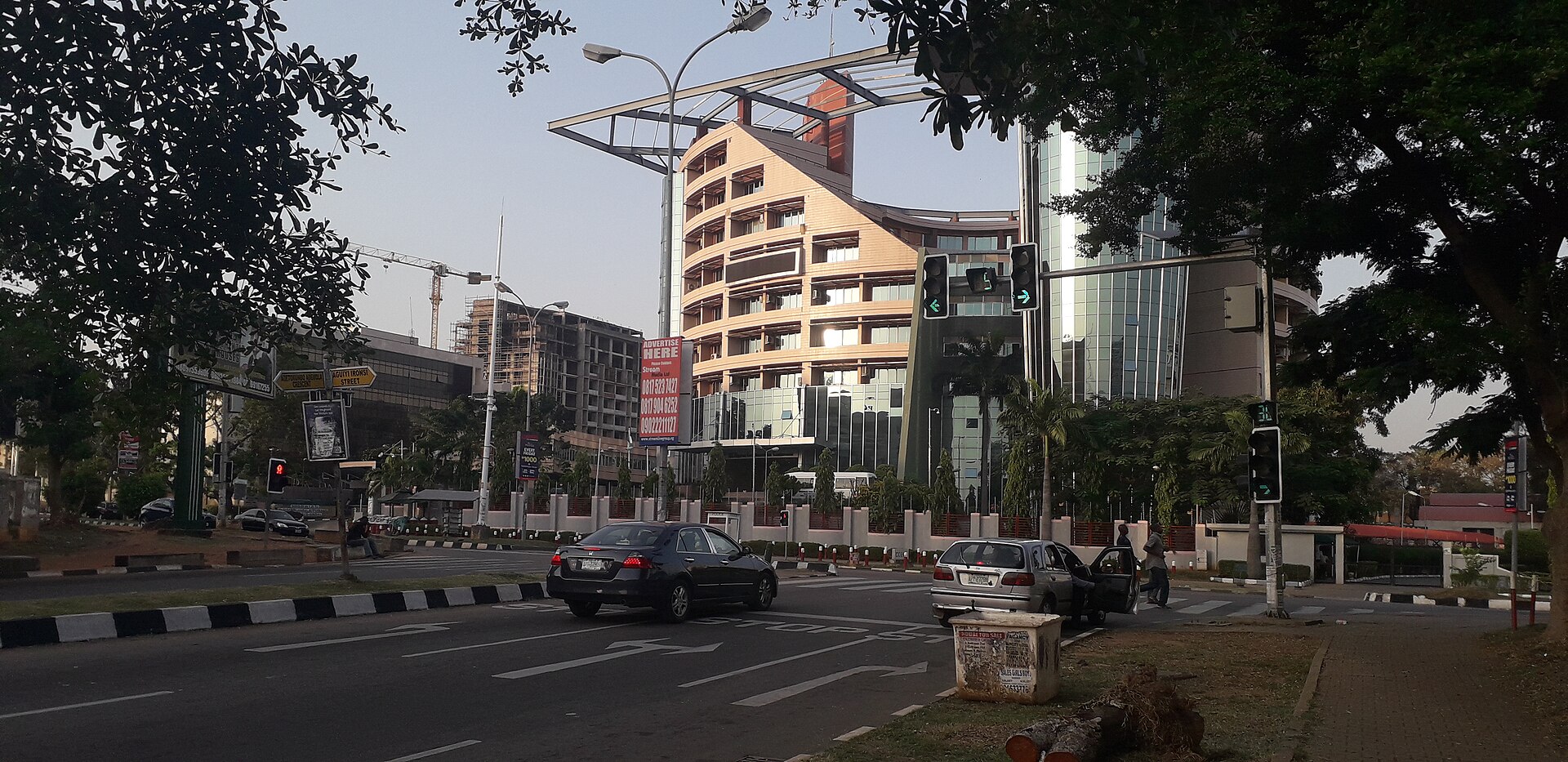
Gbenga Adebayo, chairman of the Association of Licensed Telecommunications Operators of Nigeria (ALTON), said the NCC, as licensor, had primary responsibility for explaining the state of the industry, Techeconomy reported on 13 November, citing an interview with News Central.
Adebayo said he had attended the Senate’s first invitation on behalf of operators, with their chief executives’ consent, and had understood it as fact-finding. Its outcome, he said, “appeared to take the form of a command-and-control approach”. He did not dispute the legislature’s right to ask questions, but said the issue was who should be asked and how.
He argued that the commission holds second-by-second network quality data and information on constraints that are not public, such as restrictions some authorities place on access to sites. He noted that the NCC had required some operators to compensate subscribers earlier this year. He declined to go into detail because the matter is before the court.
Why are both chambers investigating network quality?
The Senate summoned the NCC and operators including MTN, Airtel, Globacom and T2 over dropped calls, failed connections and airtime deducted for calls that did not go through, BusinessDay reported on 11 November. The motion was sponsored by Senate Chief Whip Tahir Monguno and presented by Deputy Majority Leader Lola Ashiru.
Lawmakers said Nigerians were “increasingly paying for telecommunications services they did not receive”. The Senate committee on communications, chaired by Ikra Bilbis, was told to establish subscribers’ losses and report within four weeks. Adebayo described the deadline as four weeks for operators to improve network quality before a fact-finding exercise.
A separate House of Representatives ad hoc committee on telecoms service quality summoned the operators’ chief executives on 29 October. At a sitting on 4 November it rejected ALTON’s representatives and insisted the executives appear in person, Techeconomy reported. The committee’s deputy chairman, Sunday Umeha, asked whether the operators had obtained any court order stopping the inquiry.
What is the court case about?
ALTON, MTN Nigeria, Airtel Networks, Globacom and EMTS, which runs 9mobile, filed suit FHC/ABJ/CS/2713/2026 at the Federal High Court in Abuja on 4 November, Techpoint Africa reported. It names the House, its Speaker, its Clerk and the Inspector-General of Police, and asks the court to set aside the summonses and bar arrest warrants to enforce them.
The operators argue that Sections 88 and 89 of the 1999 constitution limit legislative inquiries to purposes such as law-making and exposing corruption or waste of public funds, which they say private companies fall outside. They add that the Nigerian Communications Act and the NCC’s Quality of Service Regulations 2024 make the commission responsible for service standards. They also say the inquiry could prejudice subscribers’ lawsuits already in court, including a ₦550bn (more than $400mn) class action against MTN.
The House committee has said legal proceedings do not stop its work without a court order, and that the NCC’s role does not exempt operators from scrutiny. No ruling has been reported. The suit as reported concerns the House, not the Senate.
What happens next?
The Senate committee’s four-week window ends in early December. The NCC has not commented publicly on the court case. The regulator is separately consulting on longer spectrum licences tied to investment, as DNE Africa reported in its story on Nigeria’s spectrum licences plan, and the market has returned to 200mn active lines, according to its coverage of Nigeria’s mobile subscriptions. Operators have long said costs limit investment, as in their 2025 push for higher tariffs.
FAQ
Who regulates network quality in Nigeria?
The Nigerian Communications Commission sets and enforces service standards under the Nigerian Communications Act and its Quality of Service Regulations 2024.
Why are MTN, Airtel and Glo suing the House of Representatives?
They want the Federal High Court to set aside summonses requiring their chief executives to appear before a House committee on network quality, arguing the inquiry exceeds the legislature’s constitutional powers.
What is the Senate investigating?
Dropped calls, failed connections and airtime deducted for calls that did not connect. Its communications committee is due to report within four weeks.
Has a court ruled on the case?
No ruling has been reported.


