
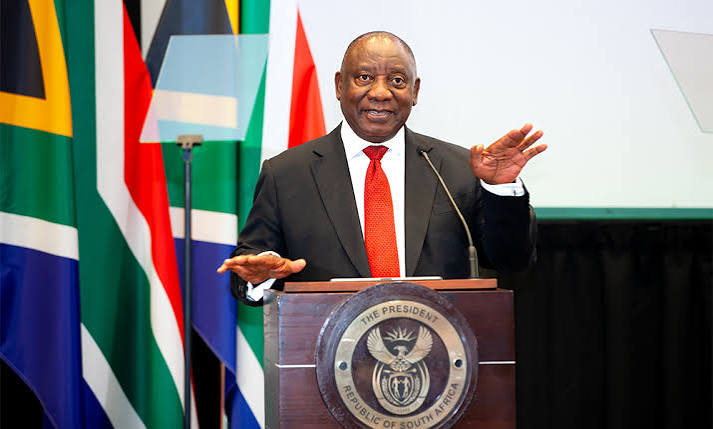

President Cyril Ramaphosa will lead eight cabinet ministers to Silicon Valley from 15 to 21 November to inform South Africa AI policy and seek investment, the Presidency said.
The working visit to California is the most senior attempt yet to put South Africa AI ambitions directly to the US technology industry. It comes as the government finalises its first national AI policy and as trade relations with Washington deteriorate, with South Africa due to lose duty-free access to the US market under the African Growth and Opportunity Act on 1 January.
What is on the South Africa AI agenda in California?
The visit is anchored by the Semafor: Silicon Valley and the World event on 16 November, according to a statement from the Presidency issued on 12 November. The South Africa AI delegation includes government officials, academics, business leaders, researchers and university students.
The ministers travelling are those for finance, international relations, science and innovation, trade and industry, communications and digital technologies, electricity, small business and the Presidency, the statement said.
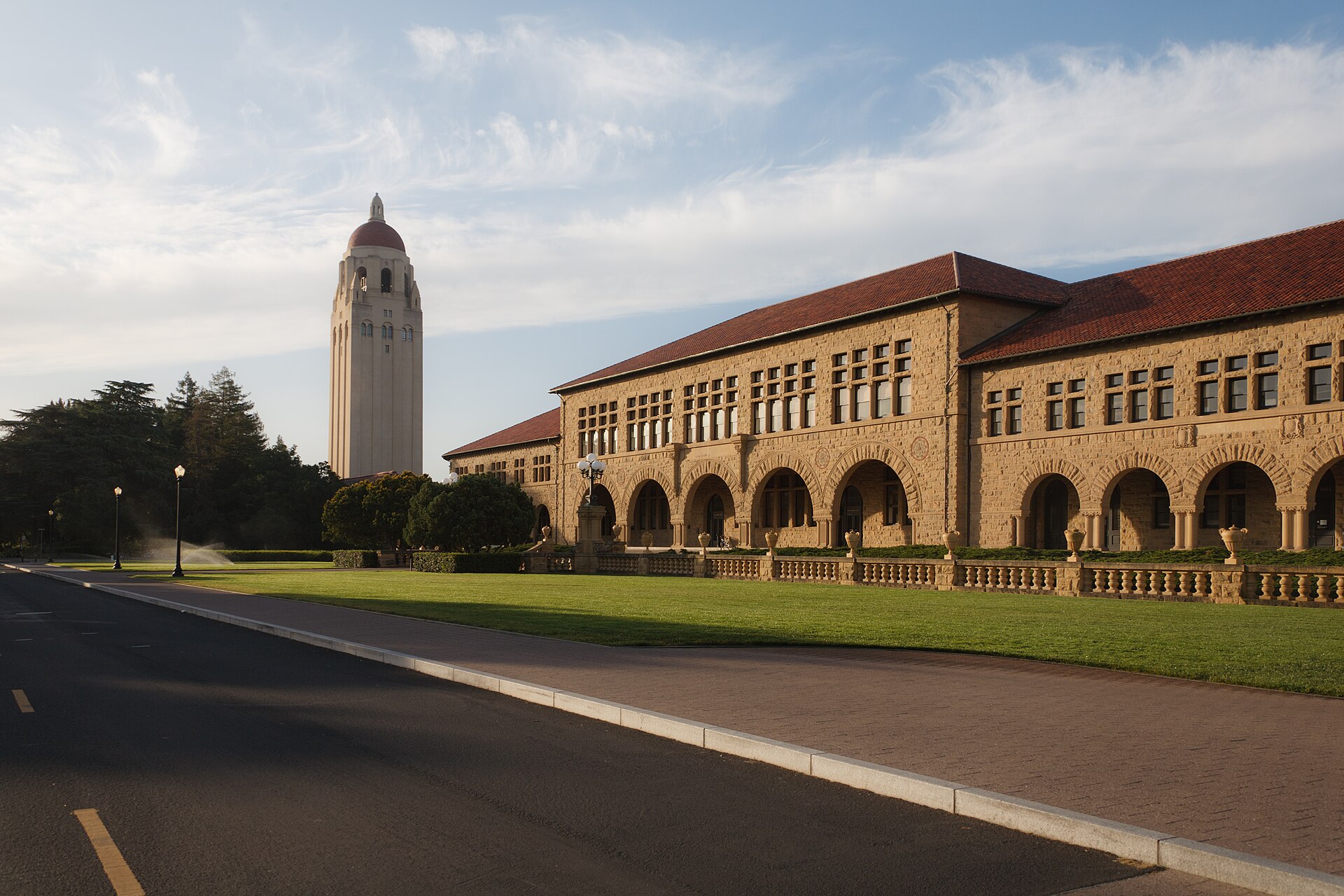
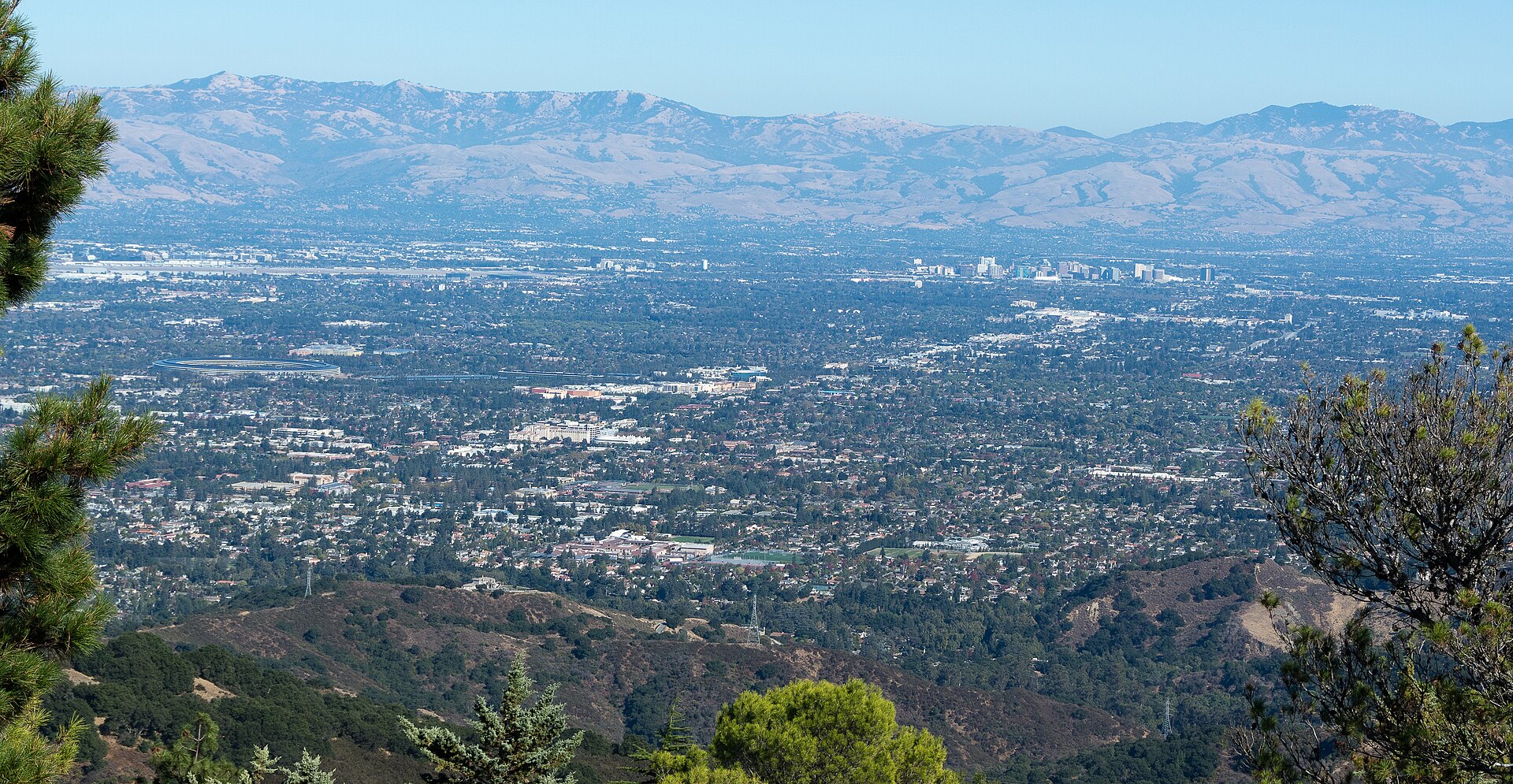
The programme published by the South African Government News Agency and reported by ITWeb includes meetings with venture capital investors and AI faculty at Stanford University on 17 November and a workshop in San Jose on 18 November titled “South Africa and the Future of AI”. Visits to Alphabet, Google and Cisco are planned for 19 November, and to Palo Alto Networks and Microsoft on 20 November.
A South Africa AI Opportunity gathering, under the theme “Building the African AI Economy”, will focus on data centres, computing capacity, energy requirements and start-ups, the Presidency said. Its stated aim is to position the country as “a competitive AI hub on the African continent”.
Presidential spokesperson Vincent Magwenya said the trip was a chance to “learn from countries and institutions at the forefront of AI development” and to consider how South Africa can build an enabling policy, regulatory and skills environment, IOL reported. The Presidency said the government would also safeguard “digital sovereignty, policy autonomy, data protection and responsible AI governance”.
No investment commitments have been announced. The Presidency described the trip as a learning visit that would also promote South Africa as an investment destination and showcase reforms under Operation Vulindlela, the joint Presidency and Treasury programme to remove bottlenecks in energy, logistics and telecoms.
Why is South Africa courting US tech firms now?
The trip tests whether commercial ties can hold while political ones weaken. President Donald Trump notified Congress in late October that he would end South Africa’s AGOA eligibility from 1 January 2027, with US Trade Representative Jamieson Greer citing practices inconsistent with the programme’s criteria, the Associated Press reported. Ramaphosa had warned of the economic cost, as DNE Africa reported in its coverage of the threat to US trade benefits.
The South African outlet SA People said the visit was going ahead “despite escalating diplomatic friction with Washington”.
At home, South Africa AI rules are still in draft. Cabinet approved a draft National Artificial Intelligence Policy in March, and Communications Minister Solly Malatsi published it for public comment in April. The comment period closed on 10 June and a final policy has not yet been issued.
Pretoria is also building links elsewhere. It plans an AI talent centre with China after talks in Wuhan, as DNE Africa reported in its story on the South Africa-China AI talent centre. The US chip industry is itself in flux after the departure of Nvidia’s chief executive, which DNE Africa examined in what Jensen Huang’s exit means for Africa’s AI data centres.
What happens next?
The delegation’s main engagements run from 16 to 20 November. The Presidency has not said whether agreements will be signed during the visit. Any South Africa AI investment announcements, and how they feed into the final national policy, will show whether the trip delivers more than lessons learned.
FAQ
Why is Ramaphosa going to Silicon Valley?
The Presidency said the visit is meant to give South Africa insights into the global AI industry to inform its approach to developing and adopting the technology, and to promote the country as an investment destination.
Who is in the South Africa AI delegation?
Eight ministers, including finance, trade and communications, travel with Ramaphosa, alongside officials, academics, business leaders, researchers and students.
Which companies will the delegation visit?
The published programme includes Alphabet, Google, Cisco, Palo Alto Networks and Microsoft, as well as Stanford University.
Does South Africa have a national AI policy?
Not yet in final form. South Africa AI policy remains a draft: it was published for public comment in April 2026 and the comment period closed in June.


