
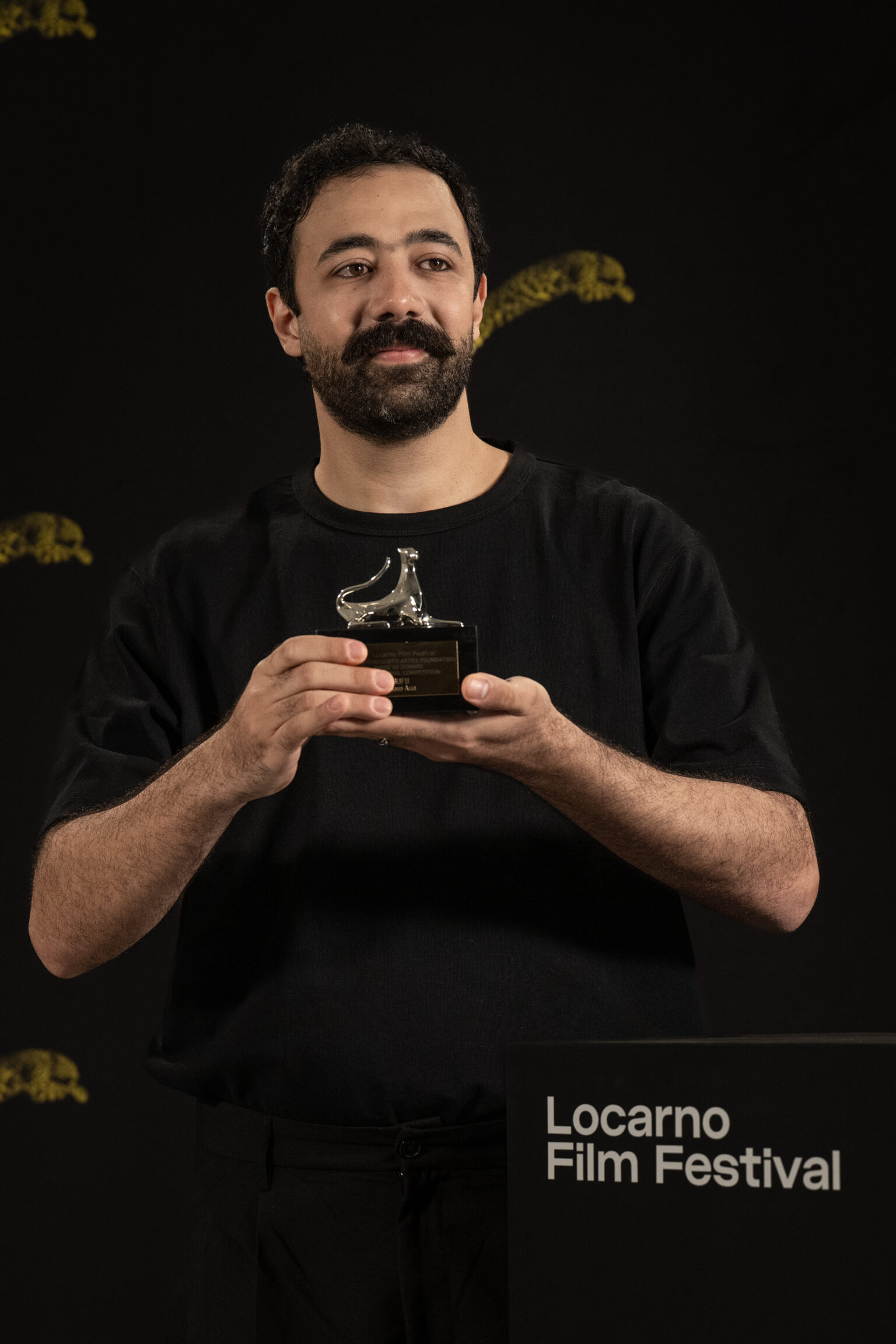

African cinema drew international attention at the 2026 Locarno Film Festival in Switzerland, with filmmakers from across the continent presenting stories exploring history, identity, culture and social change, while an Egyptian short film addressing food security won a major award.
The festival’s Open Doors programme, which concluded on Aug. 10, brought together filmmakers and producers from across Africa, connecting emerging projects with international producers, financiers and industry professionals. The programme forms part of Locarno’s four-year focus on Africa, covering 42 countries across the continent.
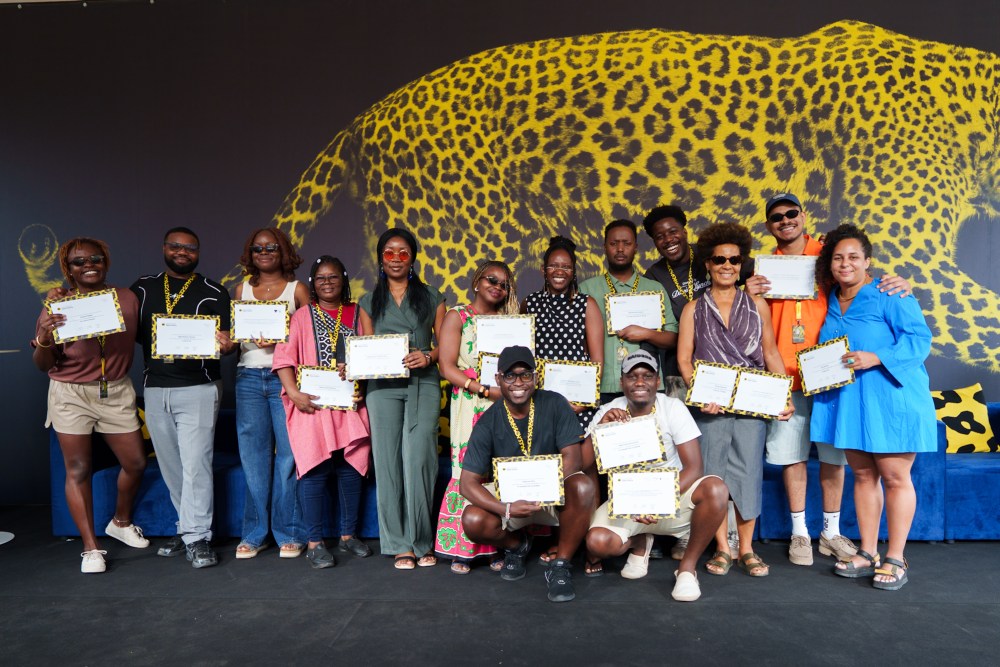
Among the programme’s notable successes was Uganda’s Talemwa Pius, whose project A Vineyard for a Lobster received a top Open Doors award. The film uses allegory to explore the legacy of colonialism.
Somali filmmaker Mohammed Sheikh’s Accept My Plea for Burial was another leading award recipient, while Tanzanian filmmaker Neema Ngelime’s The Ones with the Tempered Flowers, a Tanzania-Kenya co-production, won the ARTEKino International Award and the Sørfond Award. The film explores womanhood and motherhood.
Other African projects included Ghanaian filmmaker Aseye Fiagbe’s documentary Too Much Music, about legendary Ghanaian keyboard player Kiki Gyan, and Nigerian filmmaker Ugochukwu Azuya’s I Live in V.I., a social satire examining gentrification and the changing face of Lagos.
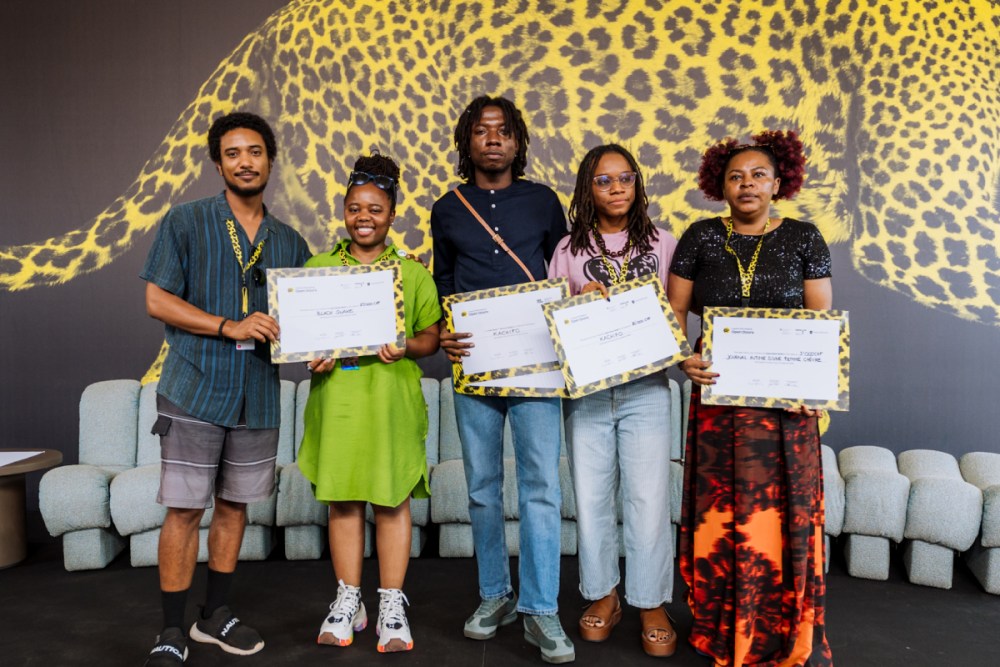
Mozambican filmmaker Ique Langa presented Chapa 100, a surrealist love story, while Zimbabwean producer Tapiwa Chipfupa participated in the Open Doors programme, adding to the continent’s representation at the festival.
The African projects covered a wide range of themes, including colonialism, motherhood, migration, music, urbanisation, identity and economic pressures, highlighting the diversity of contemporary filmmaking across the continent.
Egyptian cinema gained further recognition with Khufu, winner of the Pardino d’Argento (Silver Leopard) Arts3 Foundation Award in Locarno’s International Pardi di Domani competition.
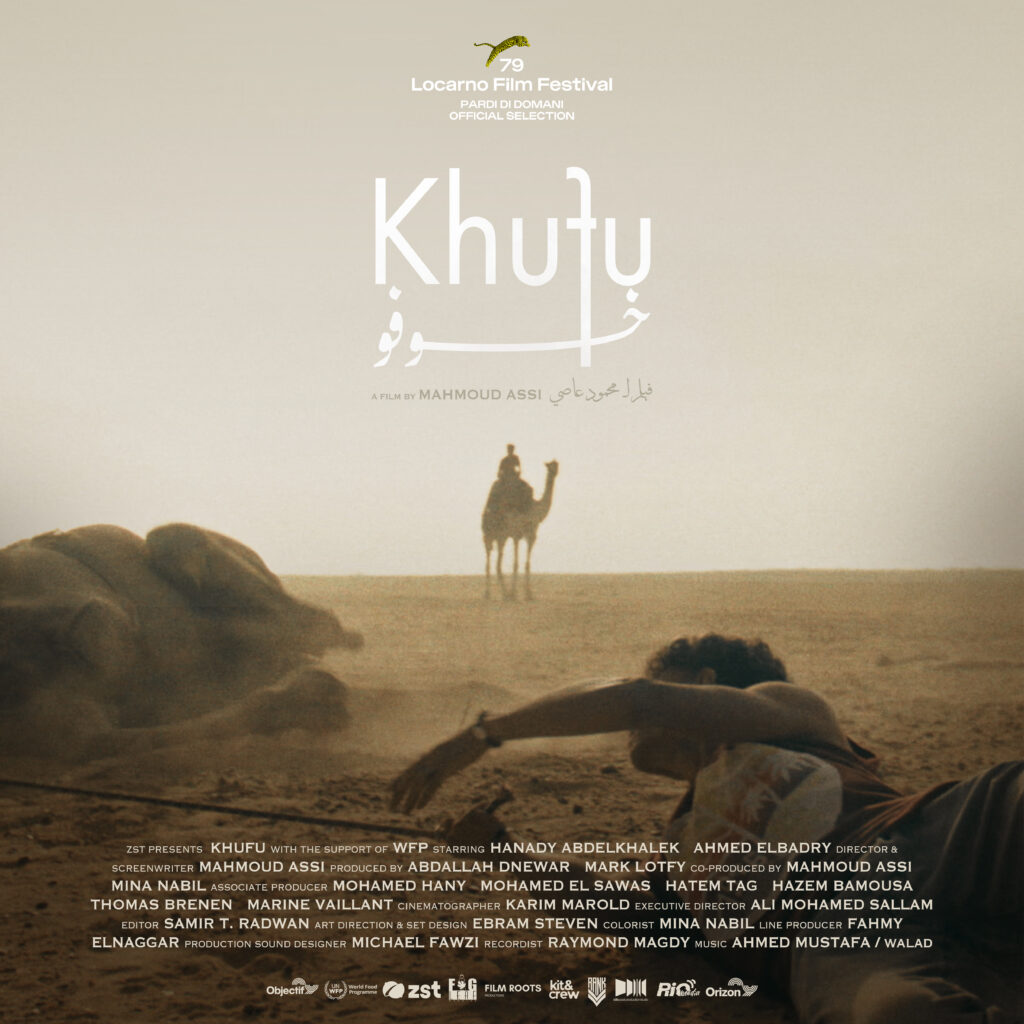
Directed by Mahmoud Assi and produced by Zest and Fig Leaf Studios, Khufu was developed through the first edition of the “Eish” Short Film Competition, launched by the United Nations World Food Programme (WFP), Zest and the El Gouna Film Festival to support emerging filmmakers exploring food security and related issues.
Set in Nazlet El-Semman near the Giza Pyramids, the film follows 14-year-old Sayed as he confronts family expectations and the economic pressures surrounding his family’s livelihood, which depends on an ailing camel.
WFP Egypt Representative and Country Director Rawad Halabi said the film’s success demonstrated how cinema can create new avenues for advocacy and connect the experiences of vulnerable communities with wider discussions on food security.
The Arabic word Eish, meaning both “bread” and “life,” reflects the initiative’s focus on the links between food, dignity and survival.
The award gives Khufu international recognition while underscoring the growing role of African and Arab filmmakers in bringing locally rooted stories to global audiences.
The range of projects showcased at Locarno points to an African film industry increasingly focused on telling its own stories while building international partnerships, financing opportunities and distribution networks.


