
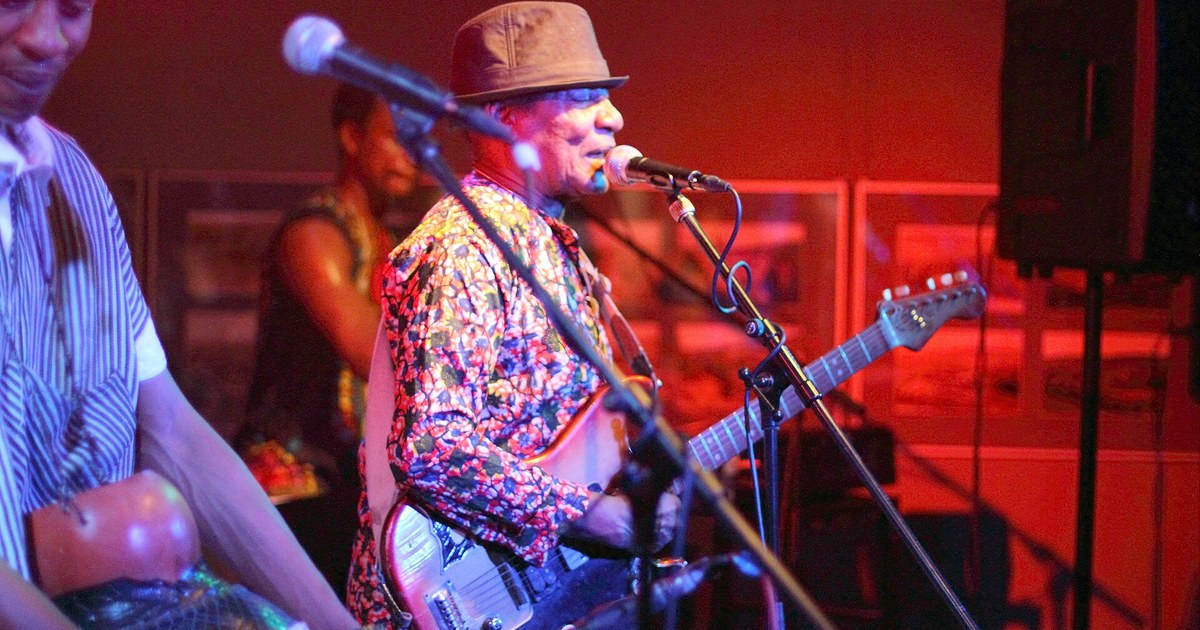

Highlife music, the guitar and brass dance music that grew up in Ghana’s coastal towns a century ago, approaches its first anniversary on UNESCO’s list of the intangible cultural heritage of humanity on 10 December.
Highlife fed much of West Africa’s later popular music, from Nigerian juju to Ghana’s hiplife. Musicians are still building events around it: the singer Bisa Kdei plans a new annual highlife event, The Convention, in Accra on 20 December, the Ghana News Agency reported.
What is highlife music?
According to UNESCO’s listing, highlife is a form of musical storytelling with lively rhythms and lyrics tied to everyday life. Bands mix guitars, horns, drums, xylophones and percussion, and songs are usually built on call and response, with a lead singer answered by a chorus.
It is sung in many Ghanaian languages as well as English and Pidgin, and performed at weddings, funerals, festivals and naming ceremonies. UNESCO notes that lyrics often take up current social questions such as health, education and relationships.
UNESCO recognises three main styles: dance band, guitar band and burger highlife. Skills pass from one generation to the next through apprenticeships in bands, within families and, more recently, in university music departments.
Where did highlife music come from?
Its roots run along the whole West African coast, and historians trace several strands. A history published by Music In Africa describes adaha, a brass band style that took hold in the Cape Coast area in the 19th century, and the palm wine guitar music that Liberian Kru sailors carried between West African ports.
In the Gold Coast, as Ghana was then known, the guitarist Jacob Sam and his Kumasi Trio added local rhythms to that guitar style. Their song “Yaa Amponsah”, composed around 1919 by that account, is widely treated as the prototype of the genre.
The name itself came from the dance halls. Elite orchestras in the 1920s played occasional big-band versions of local tunes at formal balls, and people who could not afford the entrance fee or the evening dress gathered outside to listen. They called what they heard highlife, according to the recollections of the orchestra musician Yebuah Mensah, quoted in the same history.
Who took highlife music to a wider audience?
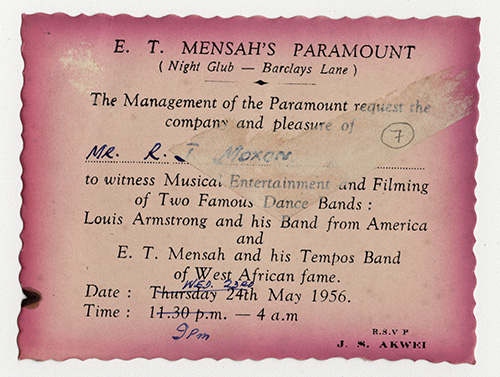
Yebuah Mensah’s younger brother, the trumpeter E. T. Mensah (1919-1996), carried highlife out of the ballrooms. After the second world war his band, the Tempos, played a jazz-inflected highlife in a smaller swing format, and their 1953 tour of Nigeria set off a craze there, Music In Africa says. In May 1956 he shared the bill with Louis Armstrong at his own Paramount night club in Accra.
Guitar bands developed their own line alongside the dance orchestras, and after independence in 1957 highlife became the sound of the new nation. Speaking at the University of Ghana in November 2025, the ethnomusicologist John Collins credited Kwame Nkrumah, Ghana’s first president, with helping establish highlife as a symbol of national pride, the Ghana News Agency reported.
The guitarist Ebo Taylor, born in Cape Coast in 1936, mixed highlife with jazz, funk and early Afrobeat, worked with Fela Kuti in London and produced records for Pat Thomas and C. K. Mann, Africanews reported when he died in February 2026, aged 90. Burger highlife grew up among Ghanaian musicians in Germany in the early to mid-1980s, who mixed highlife melodies with disco, funk, synthesisers and drum machines, according to Bandcamp Daily. The name came from “bürger”, the German word for citizen, given to musicians who returned home with the new sound; the guitarist George Darko is often named among its pioneers.
What does the UNESCO listing mean for highlife music?
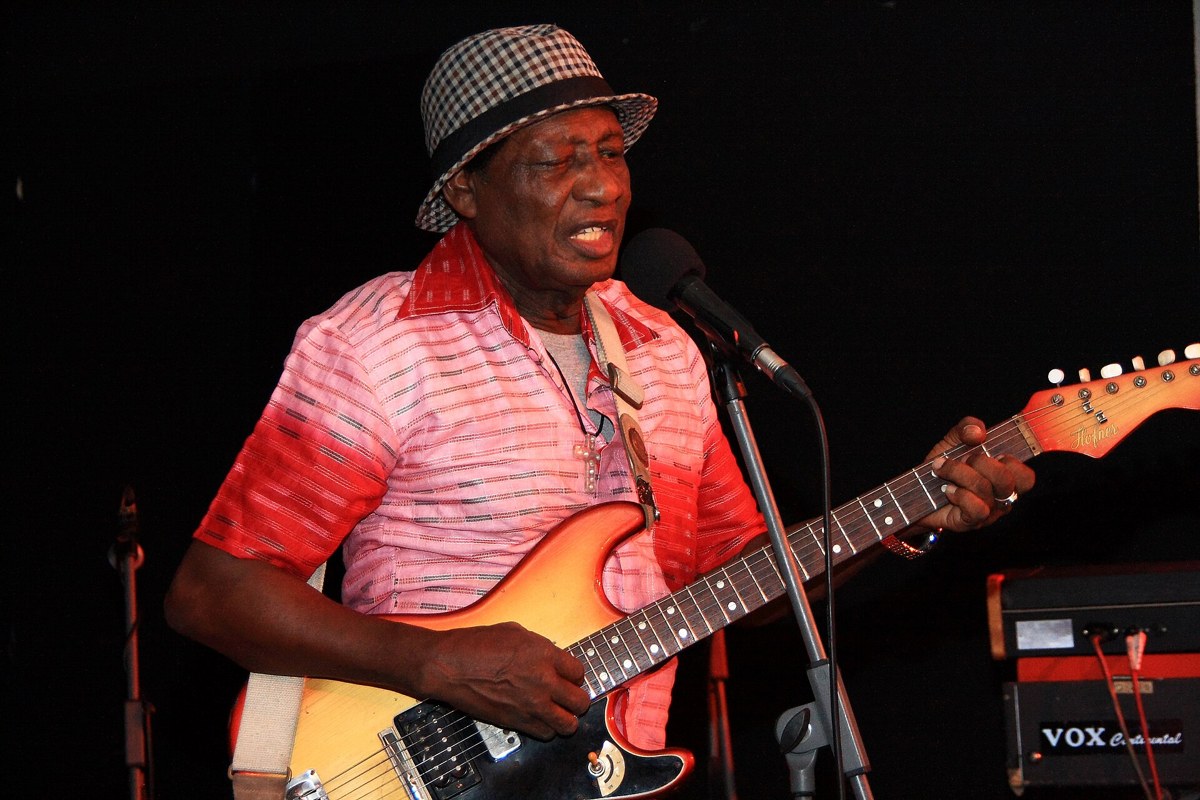
UNESCO’s intergovernmental committee inscribed “Highlife music and dance” on its Representative List on 10 December 2025, the Ghana News Agency reported. The United Nations in Ghana credited the Ghana National Commission for UNESCO, the Musicians Union of Ghana and the Ghana Folklore Board for the nomination. It followed the inscription of kente cloth weaving in 2024.
Countries with listed elements report periodically to UNESCO on how they are safeguarding them. In Accra, the University of Ghana’s music department launched a year of centenary events, “Highlife Music at 100”, in November 2025, with lectures, concerts, workshops and a schools competition.
For more on African music traditions, DNE Africa has written about Congolese rumba five years after its own UNESCO listing and about Mulatu Astatke and Ethio-jazz.
FAQ
When was highlife music added to UNESCO’s heritage list?
UNESCO’s intergovernmental committee inscribed highlife music and dance from Ghana on the Representative List of the Intangible Cultural Heritage of Humanity on 10 December 2025.
What are the main styles of highlife?
UNESCO lists three: dance band highlife, played by larger orchestras with horns; guitar band highlife; and burger highlife, which Ghanaian musicians in Germany developed in the 1980s.
Who is known as the king of highlife music?
The title is usually given to E. T. Mensah, the Accra trumpeter and bandleader whose band, the Tempos, popularised the style across West Africa in the 1950s.
Is highlife only Ghanaian?
No. It developed along the West African coast and also became a major style in Nigeria and Sierra Leone. The UNESCO listing covers highlife as practised in Ghana.


