
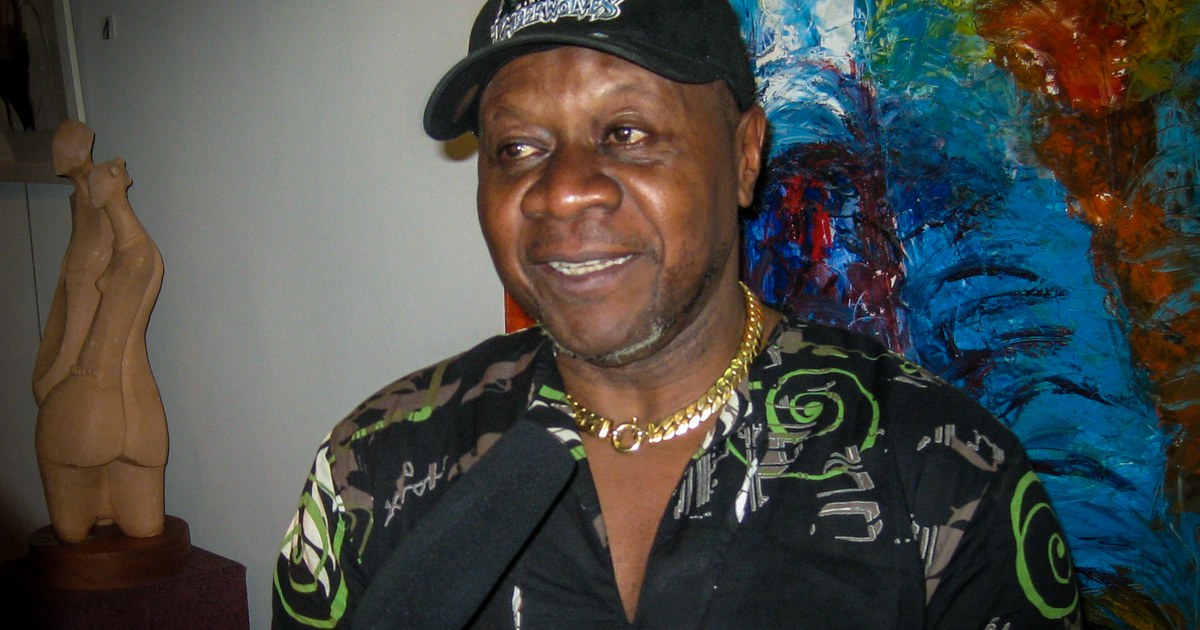

Congolese rumba, the guitar music and couple dance of Kinshasa and Brazzaville, marks five years on UNESCO’s list of the intangible cultural heritage of humanity on 14 December, with musicians in Kinshasa staging tribute concerts to its pioneers.
The two Congos nominated the music jointly, and UNESCO inscribed it in 2021. It has been recorded for more than 70 years and gave rise to soukous, the faster style that filled European clubs in the 1980s.
What is Congolese rumba?
According to UNESCO’s entry, Congolese rumba is a musical genre and a dance common in the cities of the Democratic Republic of the Congo and the Republic of the Congo. It is usually danced by a man and a woman together. UNESCO traces it to an old dance called nkumba, which means “waist” in Kikongo.
It is played at celebrations and at funerals, and UNESCO notes that women have played a leading role in its religious and romantic styles. Young musicians learn it in neighbourhood clubs, training schools and community groups, where bands take on apprentices.
The name itself was a mistake, according to a history of the genre published by the Red Bull Music Academy. Cuban son records by groups such as Sexteto Habanero and Trio Matamoros reached the Congo in the 1930s and 1940s, some of them labelled rumba, although in Cuba rumba is a different, older folk form. Congolese musicians kept the name.
How did Congolese rumba begin in Kinshasa and Brazzaville?
The style grew up at the same time in Leopoldville, now Kinshasa, and Brazzaville, the capitals that face each other across the Pool Malebo on the Congo river. Musicians drew on local music, jazz and the Cuban records played on Radio Congo Belge, using acoustic guitars brought by West African sailors and dockworkers in the 1920s and 1930s, the same history says.
From the late 1940s, small labels run by Greek immigrant businessmen began recording local musicians. Singers moved from phonetic Spanish or French to Lingala, a regional trade language. The big early hit was Marie-Louise, recorded in 1948 by the singer Wendo Kolosoy with the guitarist Henri Bowane. In Kinshasa’s bars, Bowane is said to have stretched his guitar breaks into a long dance section, later known as the seben.
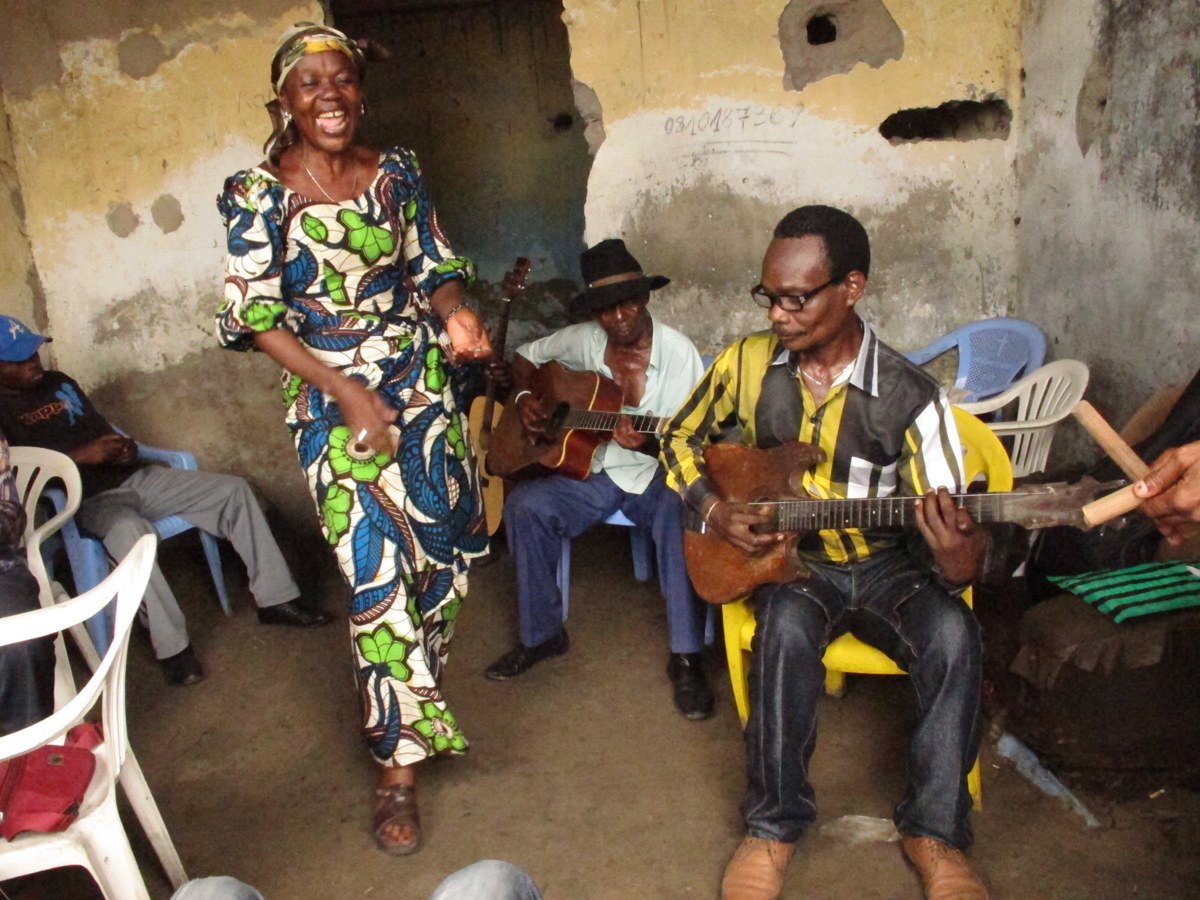
Joseph Kabasele, known as Le Grand Kallé, formed African Jazz in the early 1950s. Its members included the guitarist Docteur Nico and the singer Tabu Ley Rochereau, and Kabasele later set up Surboum African Jazz, the first record label in the country founded by a Congolese musician, according to Far Out magazine.
In 1956 the guitarist Franco Luambo Makiadi co-founded OK Jazz. His rougher, more repetitive guitar style, known as odemba, moved the seben from a short break between choruses to the centre of the song. Docteur Nico’s smoother, flowing solos influenced generations of guitarists who came after him.
How did Congolese rumba lead to soukous?
From the late 1960s, youth bands in Kinshasa such as Zaïko Langa Langa dropped the horn sections of the big orchestras, raised the tempo and built songs around the seben. Papa Wemba, a founder member of Zaïko, went on to lead Viva La Musica, keeping one version of the band in Kinshasa and another in Paris.
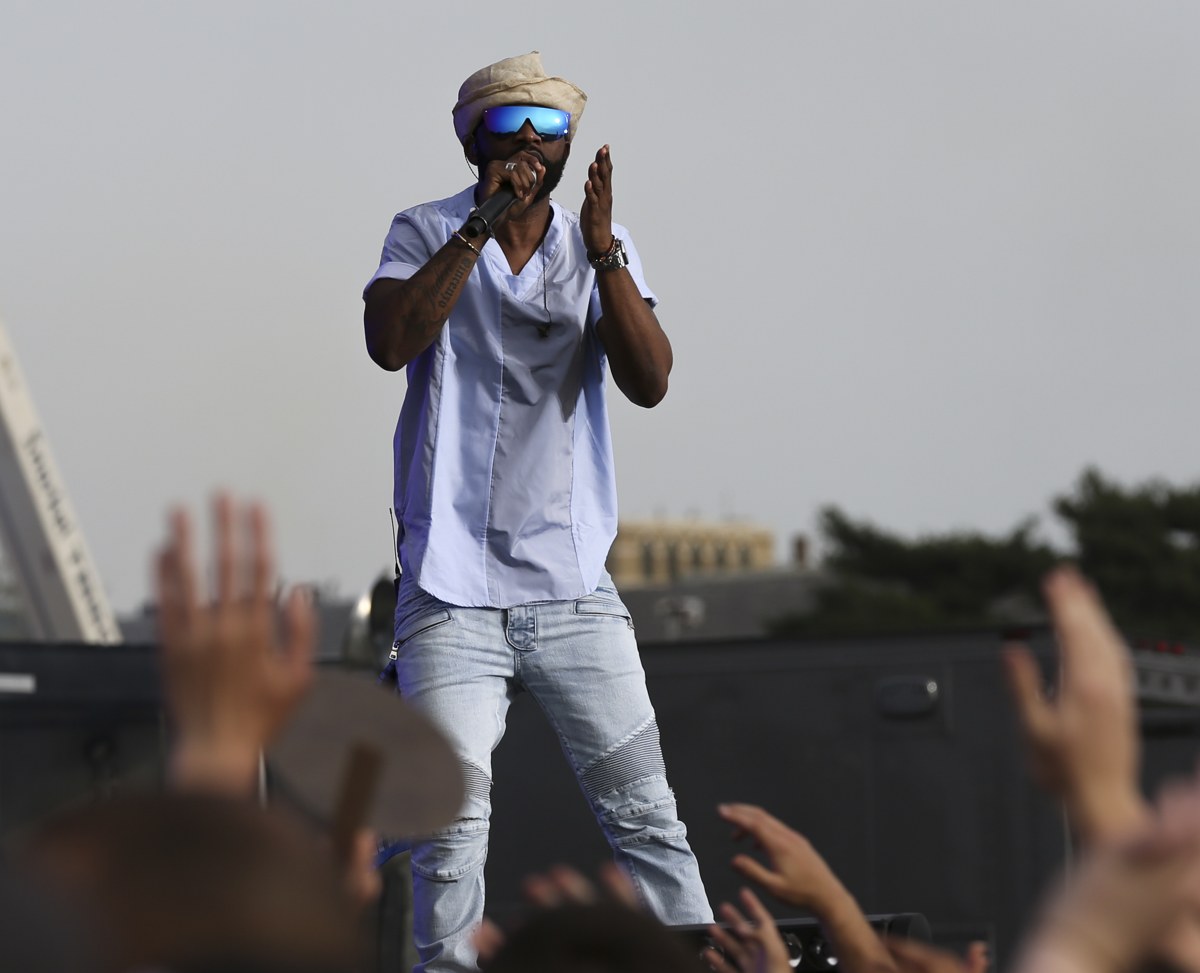
In Paris, Congolese guitarists produced a faster studio sound sold in Europe as soukous, a name taken from a 1982 compilation. Audiences at home often preferred slower songs. Today’s stars, including Fally Ipupa and Ferré Gola, still build their albums mainly around slow rumbas.
This year is also the tenth anniversary of Papa Wemba’s death. He died in April 2016, aged 66, after collapsing on stage at the FEMUA music festival in Abidjan, Côte d’Ivoire, Pakistan’s Dawn and other outlets reported at the time.
How is the anniversary being marked?
The singer Sam Tshintu announced a concert in Kinshasa for 13 November to revisit the songs of the pioneers, from Wendo Kolosoy to Franco and Tabu Ley, ahead of the anniversary, the Congolese Press Agency (ACP) reported. “Our children know the American hits by heart, but they do not know Marie-Louise or Indépendance Cha Cha,” he told the agency, in remarks translated from French.
In August a Kinshasa gala, the Night of Rumba Legends, was organised to put veterans from both banks of the river on one stage, ACP reported.
Other African entries on UNESCO’s lists include Egypt’s koshary. Like Ethio-jazz, Congolese rumba is a city style that later found new listeners abroad.
FAQ
When was Congolese rumba added to the UNESCO list?
Congolese rumba was inscribed on UNESCO’s Representative List of the Intangible Cultural Heritage of Humanity on 14 December 2021, after a joint nomination by the Democratic Republic of the Congo and the Republic of the Congo.
Is Congolese rumba the same as Cuban rumba?
No. The Congolese style took its name from Cuban son records sold as rumba. Cuban rumba is a separate tradition, which UNESCO listed in 2016.
Who are the best known Congolese rumba musicians?
Pioneers include Wendo Kolosoy, Joseph Kabasele, Docteur Nico, Franco and Tabu Ley Rochereau; later stars include Papa Wemba, Koffi Olomide and Fally Ipupa.
What is the seben?
The seben is the fast, guitar-led dance section of a rumba song. It began as a short instrumental break and became the main part of many songs from the 1960s onwards.


