
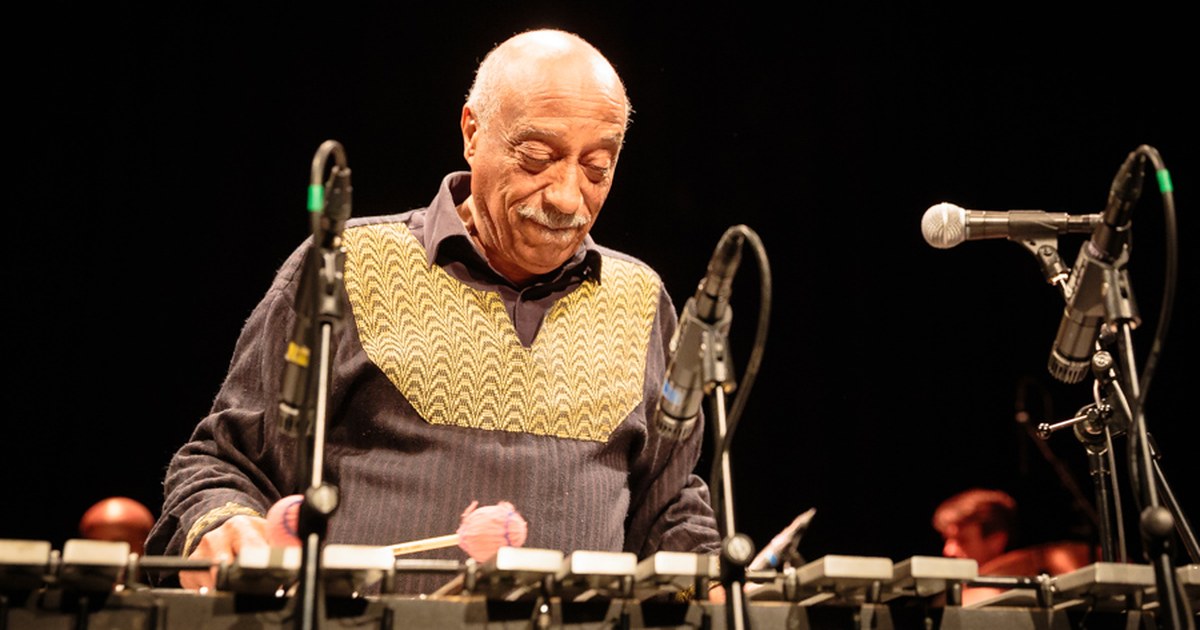

Mulatu Astatke, the 82-year-old Ethiopian vibraphonist who created Ethio-jazz in the late 1960s, played farewell concerts in Europe in 2025 and 2026 after six decades of taking Ethiopian scales into jazz clubs abroad.
Ethio-jazz mixes those scales with jazz, funk and Latin rhythm. It had a short first life in the clubs of Addis Ababa in the early 1970s. It found a far larger audience decades later through record reissues, film soundtracks and hip-hop samples, and Ethiopian musicians still play it in the capital today.
What is Ethio-jazz?
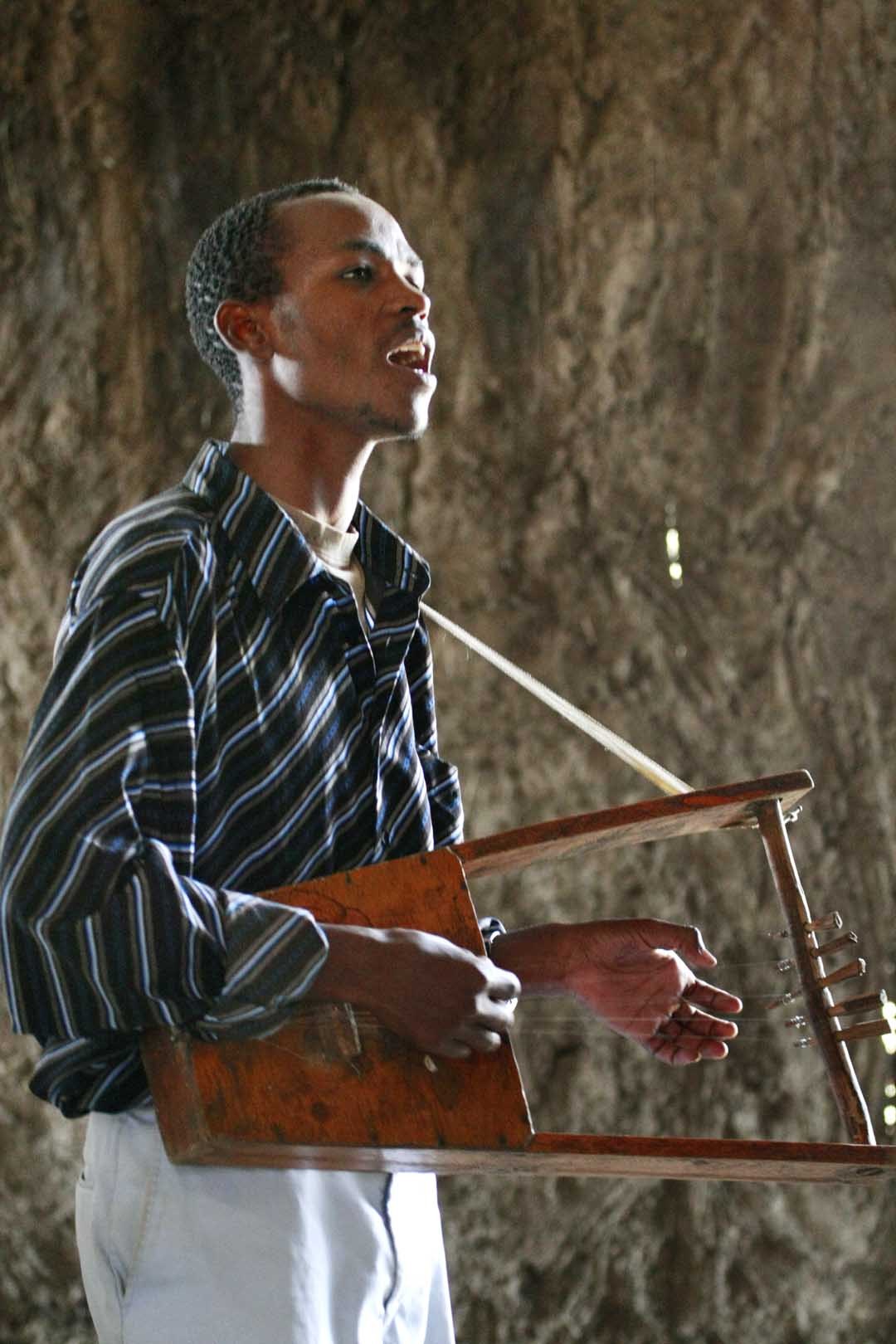
Ethio-jazz sets the five-note scales of traditional Ethiopian music against western jazz harmony, funk and Afro-Latin rhythms. Mulatu has also worked traditional instruments into it: the krar, a lyre; the masenqo, a single-stringed bowed fiddle; and the kebero drum. “Ethio-jazz is a beautiful science,” he told The Guardian in July.
Mulatu leads on vibraphone, which he brought back to Addis Ababa from America along with electric keyboards, the paper said. Some pieces, such as Yegelle Tezeta, take their name from tizita, a mode linked to nostalgia that the ethnomusicologist Kay Kaufman Shelemay transcribes as C, D, E, G and A in its major form.
How did Mulatu Astatke create Ethio-jazz?
Born in the western city of Jimma, Mulatu was sent to boarding school in Wales at 16 to prepare for a career in aeronautical engineering. He was encouraged towards music instead, studied at Trinity College of Music in London and played in Soho’s jazz clubs before becoming the first African student at Berklee College of Music in Boston, according to The Guardian.
In New York in 1966 his Ethiopian Quintet recorded two albums, Afro-Latin Soul 1 and 2. Shelemay’s study for Harvard University places the invention of Ethio-jazz in that New York residency, with the style maturing after he returned to Ethiopia at the end of the decade.
From 1969 he recorded singles in Addis Ababa for Amha Records, the country’s first independent label. The capital’s nightlife was at a peak, with the saxophonist Getatchew Mekurya, the singer Mahmoud Ahmed and the keyboard player Hailu Mergia among its stars. Amha released the compilation Ethiopian Modern Instrumental Hits in 1972, and in 1973 Mulatu played with Duke Ellington, who was touring Ethiopia for the US State Department.
That scene ended after Emperor Haile Selassie was deposed in 1974 and the clubs closed. Many musicians left the country; Mulatu stayed in Addis Ababa and taught, the organisers of Britain’s We Out Here festival wrote in a profile of him.
How did Ethio-jazz reach the world?
A second life began in the late 1990s, when the Paris label Buda Musique started reissuing Ethiopian recordings from the 1960s and 1970s in its Éthiopiques series. The fourth volume, Ethio Jazz & Musique Instrumentale 1969-1974, was given over to Mulatu’s work.
The American director Jim Jarmusch then used his music in the 2005 film Broken Flowers, which made the track Yekermo Sew familiar to cinema audiences, Africa is a Country noted. Hip-hop artists including Nas, Damian Marley and Madlib sampled his records, and he went on to record with The Heliocentrics in London and the Either/Orchestra in the United States.
He was in London in the early 1960s, the same city where Fela Kuti was then studying music, and he later took Ethio-jazz to stages from Melbourne to Los Angeles. Mulatu also held fellowships at Harvard and MIT, where he worked on a modernised krar, the We Out Here profile said.
Where can you hear Ethio-jazz today?
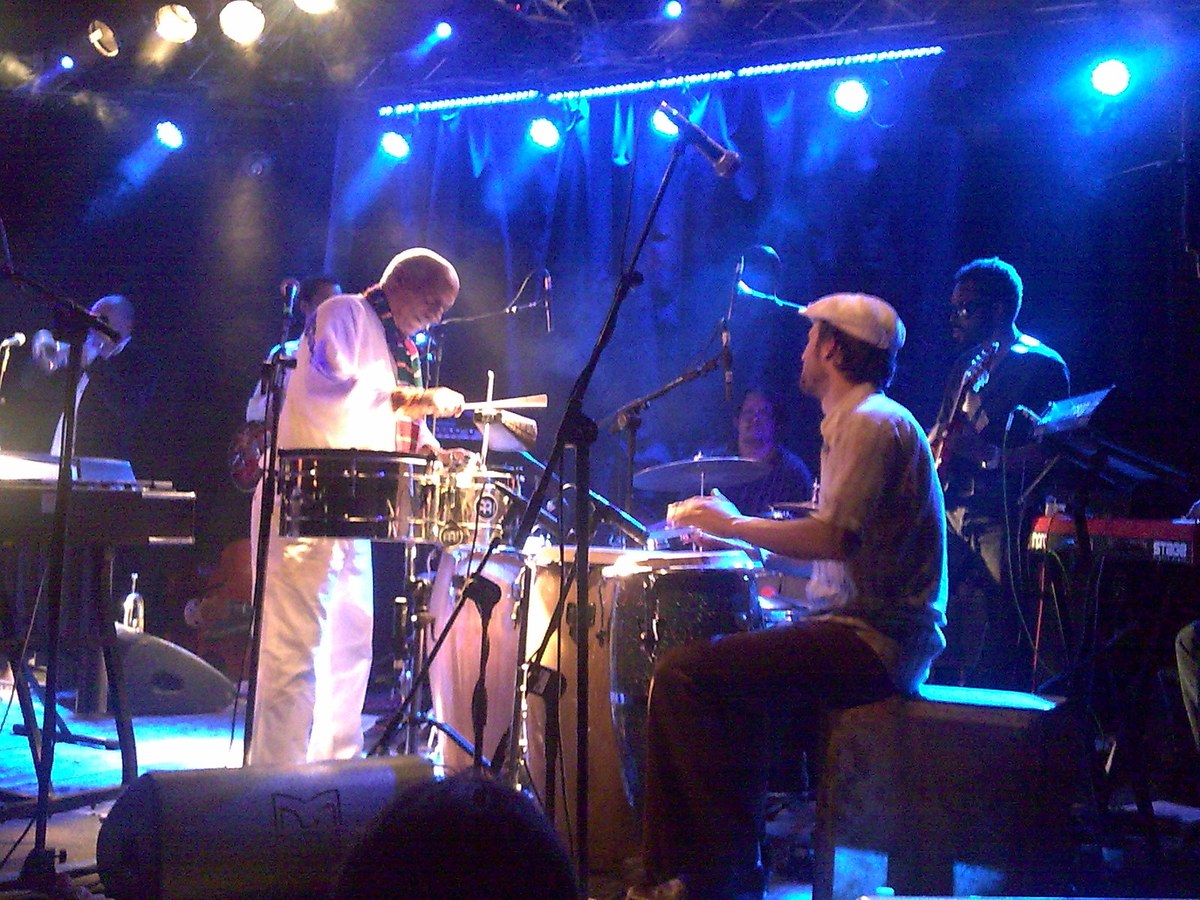
At London’s Royal Festival Hall in November 2025, his band included a krar player and a masenqo player alongside piano, cello, brass and West African percussion, The Guardian’s review said. A return to the same hall in June 2026 was expected to be his last performance in Britain.
His latest album, Mulatu Plays Mulatu, released on Strut Records, rearranges his classics. It was recorded at RAK Studios in London and at his own club in Addis Ababa, the African Jazz Village, which he opened in 2013. The club is now run by his son and still showcases local musicians, The Guardian reported in July. Mulatu told the paper that his next project would bring in musicians from rural Ethiopia, and that it does not yet have a name.
This is the third in DNE Africa’s series of country culture features, after Egypt’s koshary and Nigeria’s adire cloth.
FAQ
Who invented Ethio-jazz?
The vibraphonist and arranger Mulatu Astatke, born in Jimma in 1943, is regarded as its founder. He developed the style in New York and Addis Ababa in the late 1960s.
What instruments are used in Ethio-jazz?
Vibraphone, keyboards, brass, bass and Latin percussion, often joined by Ethiopian instruments such as the krar lyre, the masenqo fiddle and the kebero drum.
Where can I hear early Ethio-jazz recordings?
Éthiopiques Volume 4, issued by Buda Musique, collects Mulatu’s recordings from 1969 to 1974. The 2005 Broken Flowers soundtrack also features his music.
Where is the African Jazz Village?
It is Mulatu Astatke’s club in Addis Ababa, opened in 2013. It is run by his son and showcases local musicians.


