

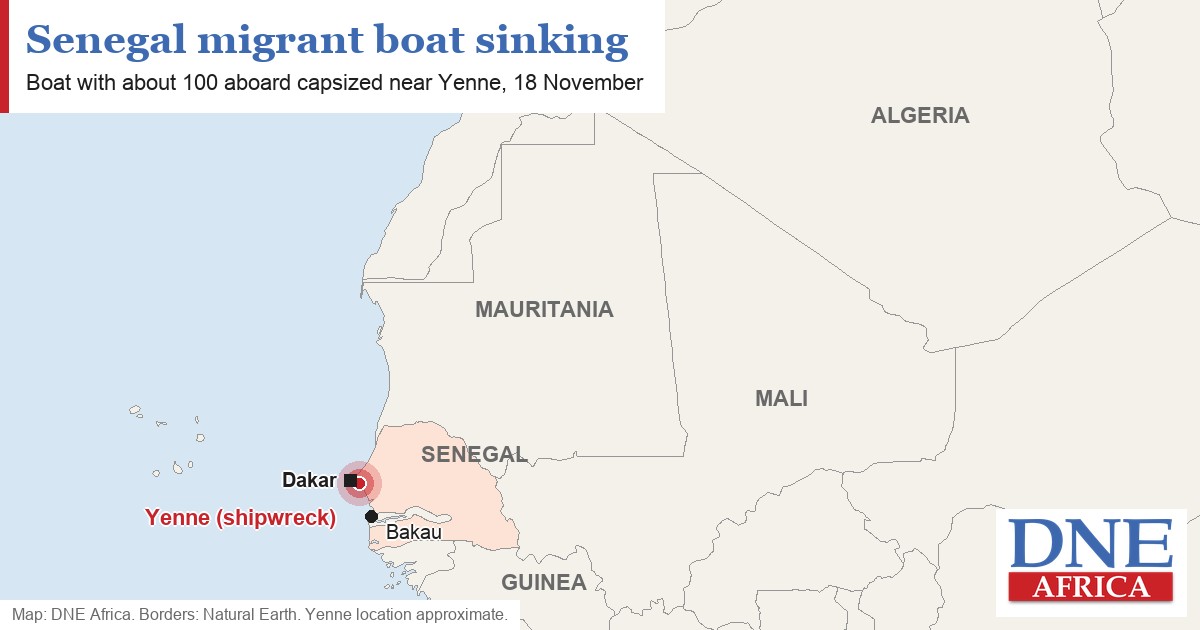
A Senegal migrant boat carrying about 100 people capsized off Yenne, south of Dakar, early on Wednesday, leaving at least one dead and dozens missing in the second deadly wreck on the country’s coast in under two weeks.
The Senegal migrant boat disaster comes as departures on the Atlantic route to Spain’s Canary Islands surge to record levels, putting pressure on President Bassirou Diomaye Faye’s government to stop the crossings and on Spain ahead of its 29 November election.
What happened to the Senegal migrant boat?
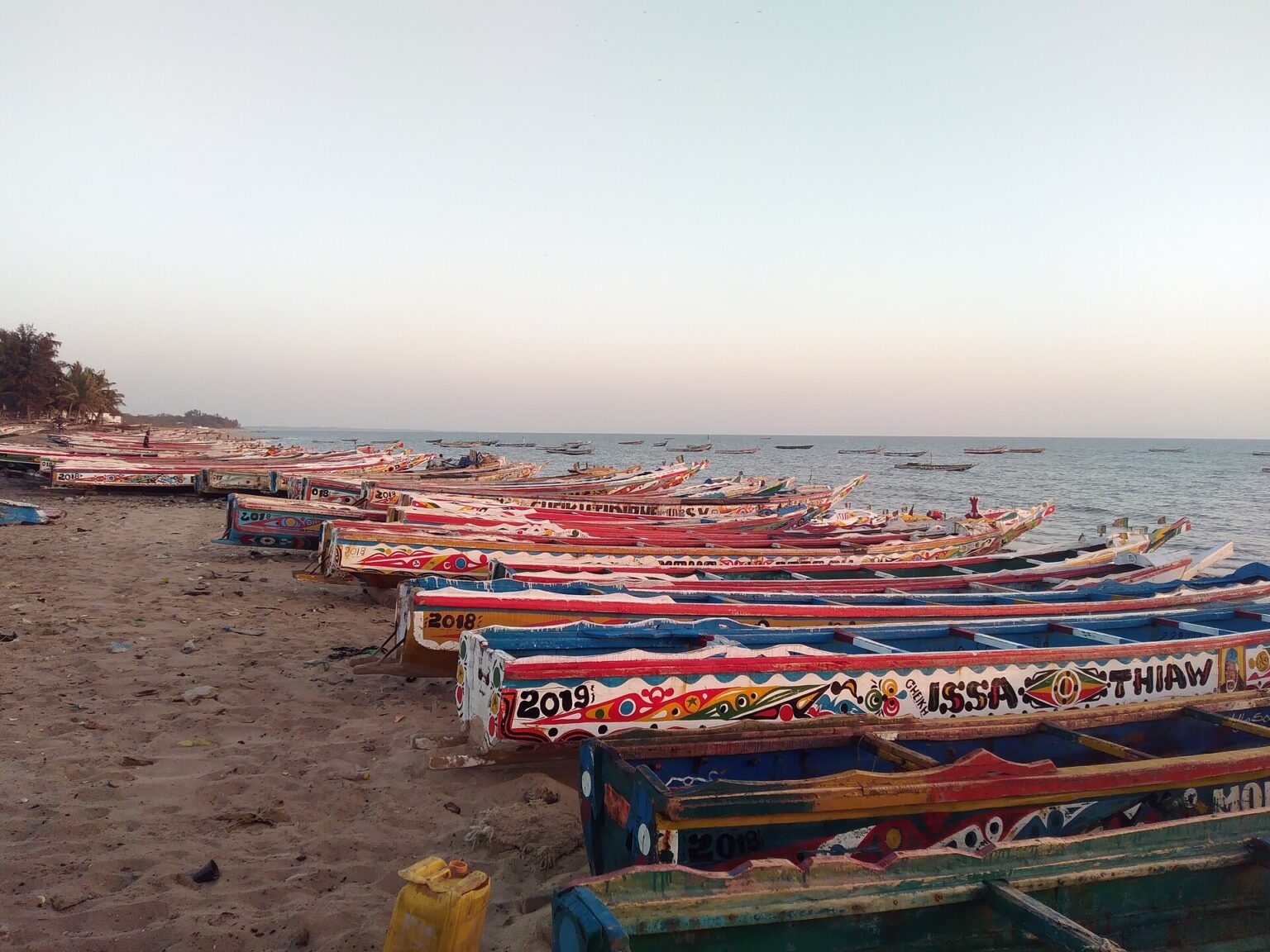
The Senegal migrant boat, a wooden pirogue, struck rocks and washed ashore near Yenne overnight from Tuesday to Wednesday, local officials and emergency services said, according to Africanews. Oumar Sow, a representative of the village chief, told AFP the boat came to grief at about 02:00 GMT and that cries could be heard from the beach, the BBC reported.
A survivor told the gendarmerie there were about 100 people on the Senegal migrant boat, including five women. One death has been confirmed; some local media have reported at least four bodies recovered. Police found identity documents, mobile phones and a school enrolment form in the wreck. Search operations resumed on Thursday, RFI reported. An official said Yenne had become an embarkation point, with smugglers recruiting boat pilots in the village.
How has Senegal responded to the migrant boat sinking?
At Wednesday’s cabinet meeting President Faye expressed concern about a renewed rise in irregular departures and told the interior ministry to prepare a report on what drives the journeys and how to stop them, the BBC reported. After the previous wreck he had urged Senegalese not to risk their lives at sea.
That wreck, off the north-western town of Thieppe in early November, killed at least 39 people, as DNE Africa reported; some outlets have since put the toll at 43.
Other boats are still arriving on Senegal’s own coast. In the early hours of 18 November, 36 people, among them an 11-year-old girl, came ashore at the IFAN beach on Dakar’s Corniche Ouest after eight days at sea, Seneweb reported (in French). They told police they had left Bakau in Gambia with about 100 others, each paying 400,000 CFA francs, and turned back when food and water ran out.
Why are more people taking the Atlantic route?
More than 11,000 migrants reached the Canary Islands in the first 15 days of November, more than half the total for all of 2025, according to Spanish government figures cited by Africanews. A record 1,580 arrived in a single day last weekend, as DNE Africa reported. Spain declared a migration emergency in the islands on 10 November.
Most arrivals are from Senegal, Gambia, Mali and Guinea, a Red Cross spokesperson said. Spain’s interior ministry publishes official totals every two weeks; its January to October figure was 13,327 sea arrivals, down 5.5 per cent on a year earlier, before the November surge.
What happens next?
The interior ministry’s report for the president is the next step in Dakar. Rescue teams will keep searching off Yenne, and the Senegal migrant boat toll could rise as more bodies are found. In Spain, migration has become a central issue in the election campaign.
FAQ
Where did the Senegal migrant boat capsize?
Near the village of Yenne, south of Dakar, overnight from 17 to 18 November 2026.
How many people were on the Senegal migrant boat?
About 100, including five women, according to a survivor questioned by police. At least one person died and dozens are missing.
Is this the first such wreck this month?
No. A wreck off Thieppe in early November killed at least 39 people.
Where were the migrants heading?
Boats leaving Senegal’s coast usually head for Spain’s Canary Islands, where arrivals have reached record levels in November.


