
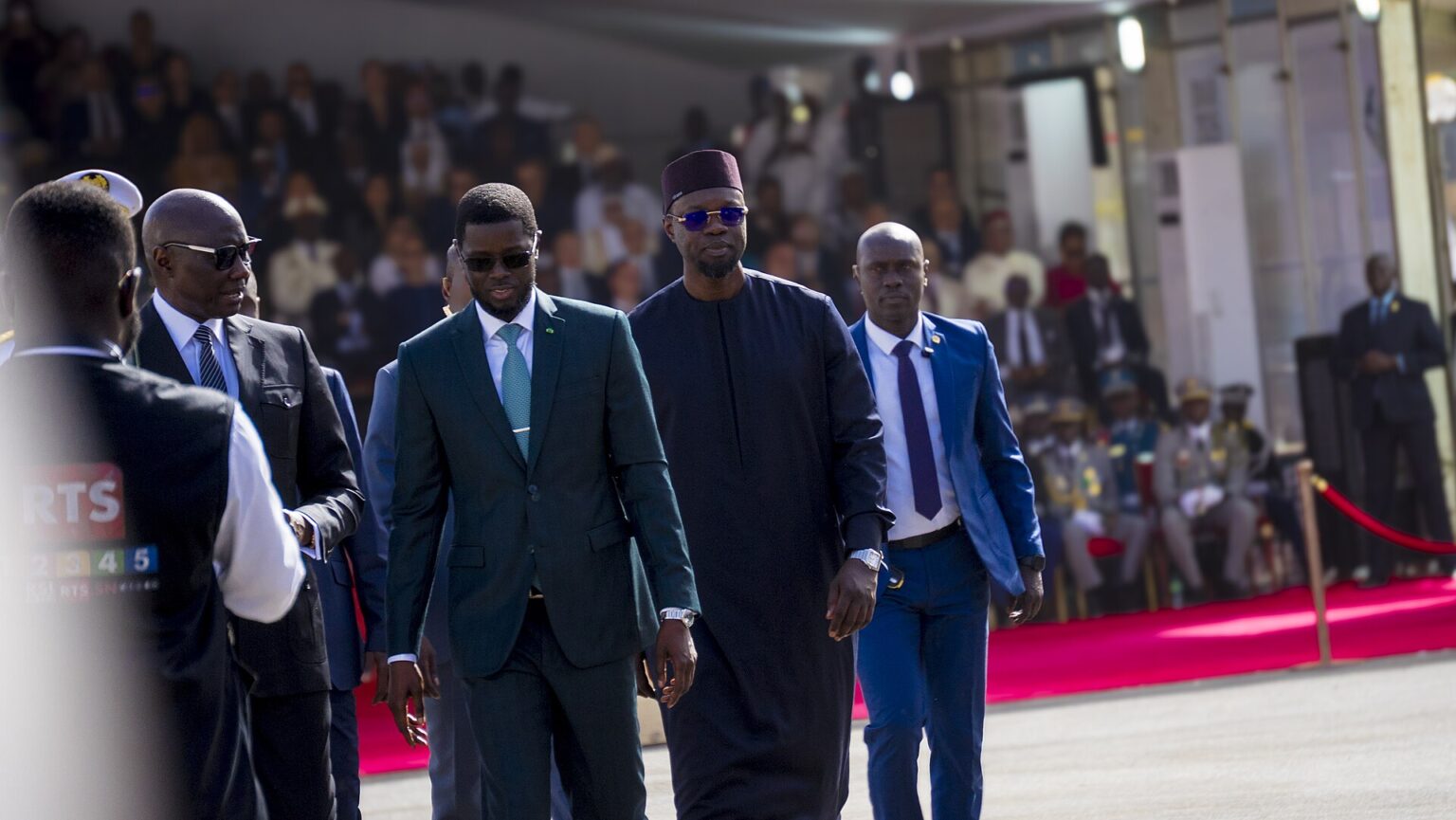

Senegal’s National Assembly rejected the first part of the 2027 Senegal budget by 126 votes to 18 in Dakar on Wednesday, halting the finance bill and deepening a standoff that threatens a $2.2bn IMF programme.
The vote, led by the Pastef majority of speaker Ousmane Sonko, means the rest of the bill cannot be debated. It is the second budget defeat for President Bassirou Diomaye Faye’s government this month, after MPs threw out the revised 2026 budget on 3 November.
What did MPs vote on in the Senegal budget debate?
The plenary opened on 18 November with the first part of the initial finance bill for 2027, which sets revenue, the spending ceiling and debt. MPs first rejected the finance committee’s report and then voted down the revenue, debt and spending articles, according to Dakaractu and Pulse Senegal (both in French). Reports put abstentions at two or three. The session was then closed.
Finance minister Cheikh Diba defended the bill before the vote, SenTV reported. Pastef MPs said the government’s economic forecasts were not credible because they rested on the revised 2026 budget the Assembly had already rejected.
What did Sonko say about the IMF?
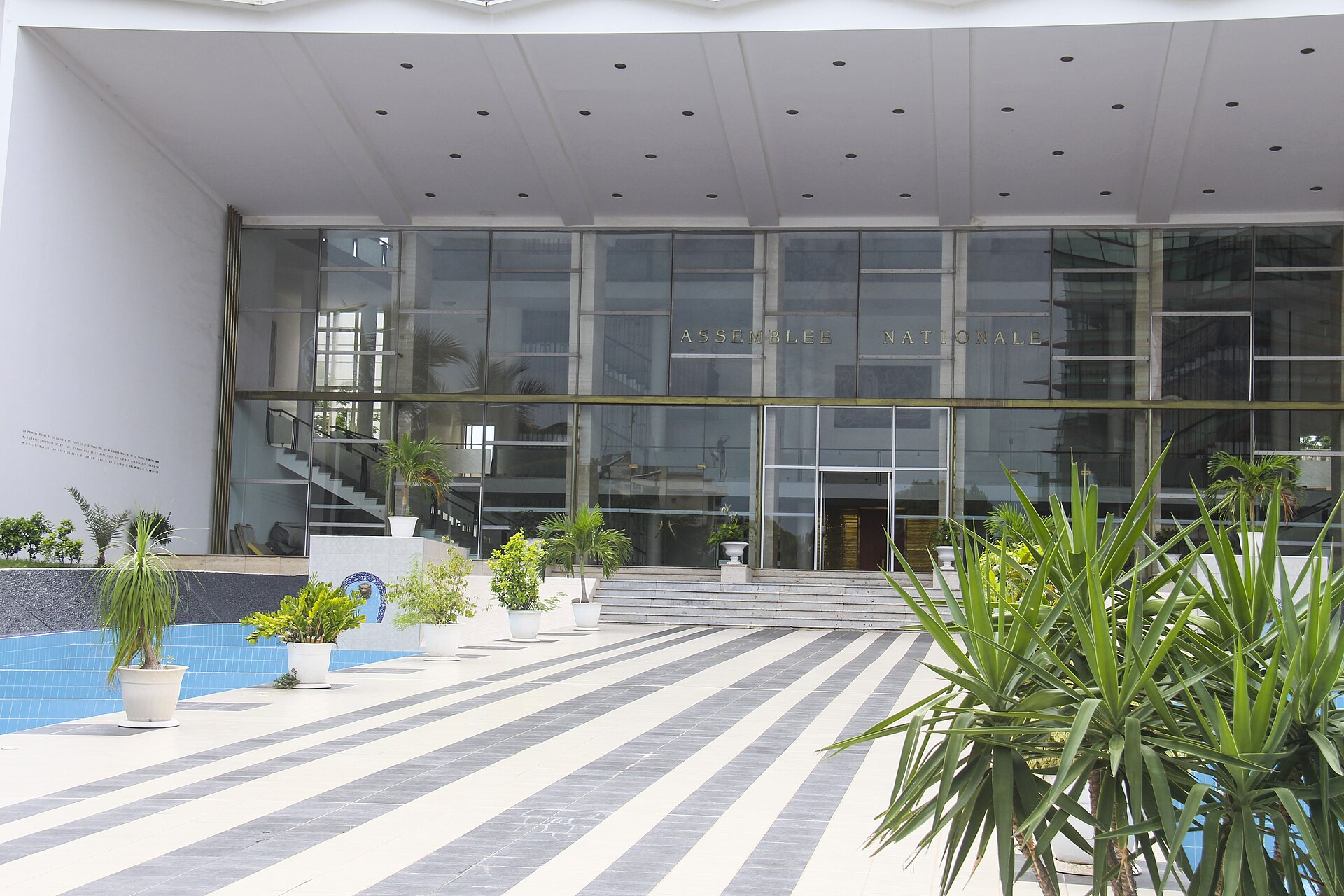
Sonko, who became speaker in May after Faye dismissed him as prime minister, said after the vote that the Assembly supported an agreement with the International Monetary Fund but wanted a budget that was “sincere, clear, transparent”, according to Seneweb (quotes translated from French).
He criticised the IMF for meeting the president, the prime minister, ministers, the central bank, donors, business and civil society during its mission to Dakar, but not the Assembly. “The Fund met everyone except the National Assembly,” he said, calling this “political interference” and “flagrant bias”. He warned against rushing commitments because of the $2.2bn expected from the programme. The IMF had not responded publicly by Thursday morning.
Sonko said that under the organic law on finance laws the second part of the bill could not be examined before the first was adopted. He ruled out simply rolling over spending and said the government should draw the consequences, raising the option of it seeking a confidence vote, while saying the Assembly’s doors remained open.
Why does the Senegal budget standoff matter?
The IMF reached a staff-level agreement with Senegal in September on a $2.2bn programme, after the discovery of debt hidden by the previous government. The Fund has said a budget framework is needed before its board can approve the deal. Without it, Senegal faces tighter financing as it tries to refinance heavy debt.
The budget fight is also a power struggle. Pastef has formally recorded Faye’s departure from the party, RFI reported on Wednesday, and has moved against members who joined his government. Sonko called the split with Faye “definitive” last weekend, as DNE Africa reported. The two men won the 2024 election together before falling out, a rift that emerged last year.
What happens next?
The Assembly has 60 days from the bill’s filing on 12 October to decide, according to local reports. The presidency had not commented on the vote by publication. Options include a revised bill, talks between the government and the majority, or a confidence vote raised by Sonko.
FAQ
Was the 2027 Senegal budget rejected?
Yes. MPs voted down the first part of the 2027 finance bill by 126 votes to 18 on 18 November 2026, so the rest of the bill could not be debated.
Why did MPs reject the Senegal budget?
Pastef MPs said the forecasts were not credible because they relied on the revised 2026 budget the Assembly had already rejected.
How does the vote affect the IMF deal?
The IMF has said a budget framework is needed before its board approves the $2.2bn programme agreed at staff level in September.


