
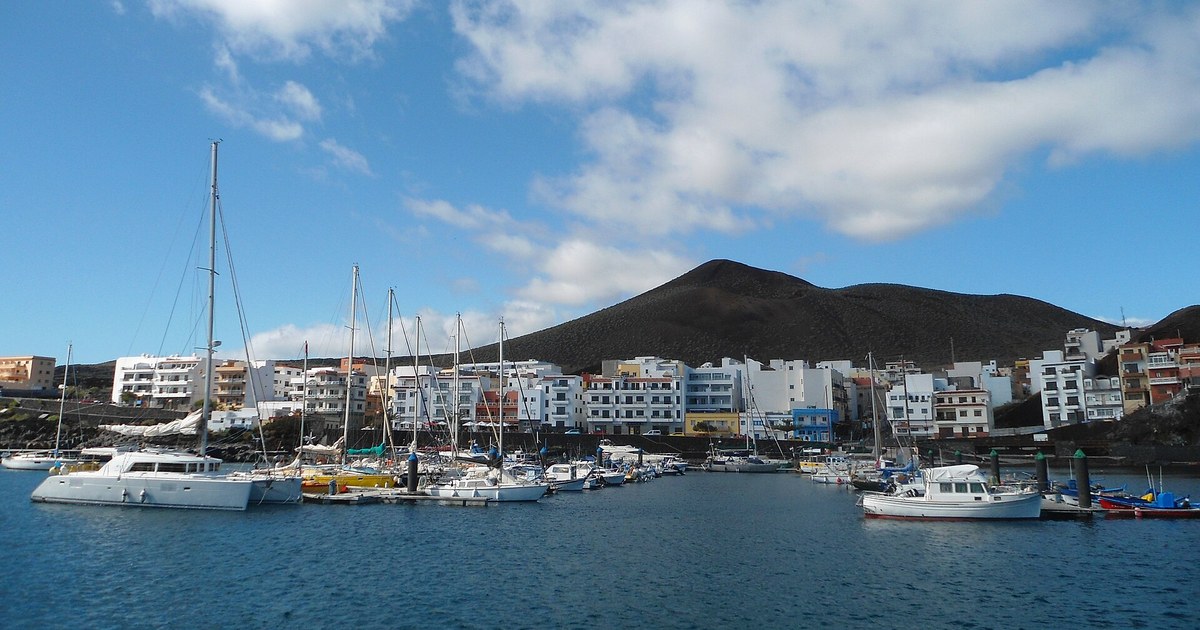

A record 1,580 Canary Islands migrants arrived on 15 boats on Saturday 14 November, mostly on El Hierro, the busiest day in 32 years of the Atlantic route, Spain’s EFE news agency said.
The surge, which follows the deaths of 39 people off Senegal this month, puts new pressure on reception services in Spain’s archipelago and on the West African states from which the boats set out: Senegal, Gambia and Mauritania.
How many Canary Islands migrants arrived this weekend?
EFE said its count, compiled from Spain’s maritime rescue service, Salvamento Maritimo, and dockside aid services, exceeded the previous one-day record of 1,461 people rescued on 7 November 2020. It counted 843 people on eight boats on Friday, bringing the two-day total to 2,331.
The Associated Press, citing the rescue service, put arrivals over the two days at nearly 2,200, including 1,324 people on 14 boats in one day, mostly landing on El Hierro. The difference between the two counts reflects different cut-off times and provisional data; neither figure is final.
Six rescue vessels and two Civil Guard patrol boats took part in Saturday’s operation, EFE reported. Among the 1,488 people landed by the time of its first tally were 108 women and 167 minors. Another boat with 79 people reached El Hierro early on Sunday, the agency said.
Where are the boats coming from?
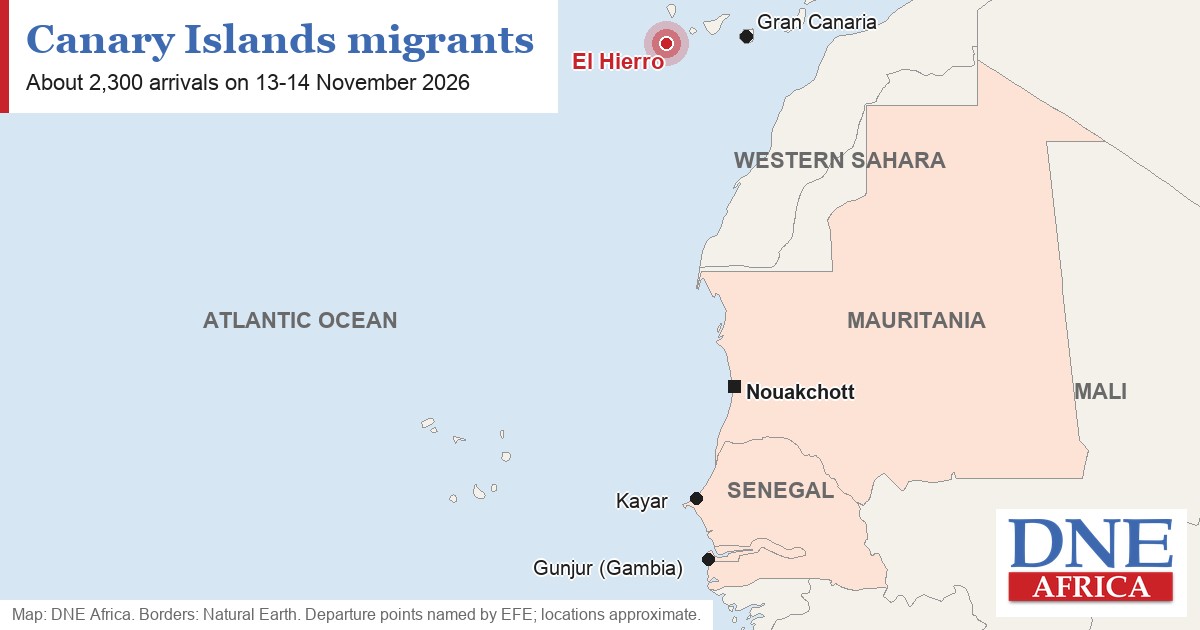
The largest group of Canary Islands migrants landed on Saturday afternoon: 240 people, including 12 women and 36 minors, after a six-day crossing from Gunjur in Gambia, EFE reported. Its passengers came from Senegal, Gambia and Guinea. A boat carrying 148 people had left Kayar, a fishing town north of Dakar in Senegal, six days earlier.
Crossings to El Hierro took between four and seven days, with departures from Senegal, Gambia and Mauritania, according to aid workers quoted by EFE. The islands lie about 105km from the nearest point of the African coast, but boats often take far longer routes to avoid patrols, AP noted.
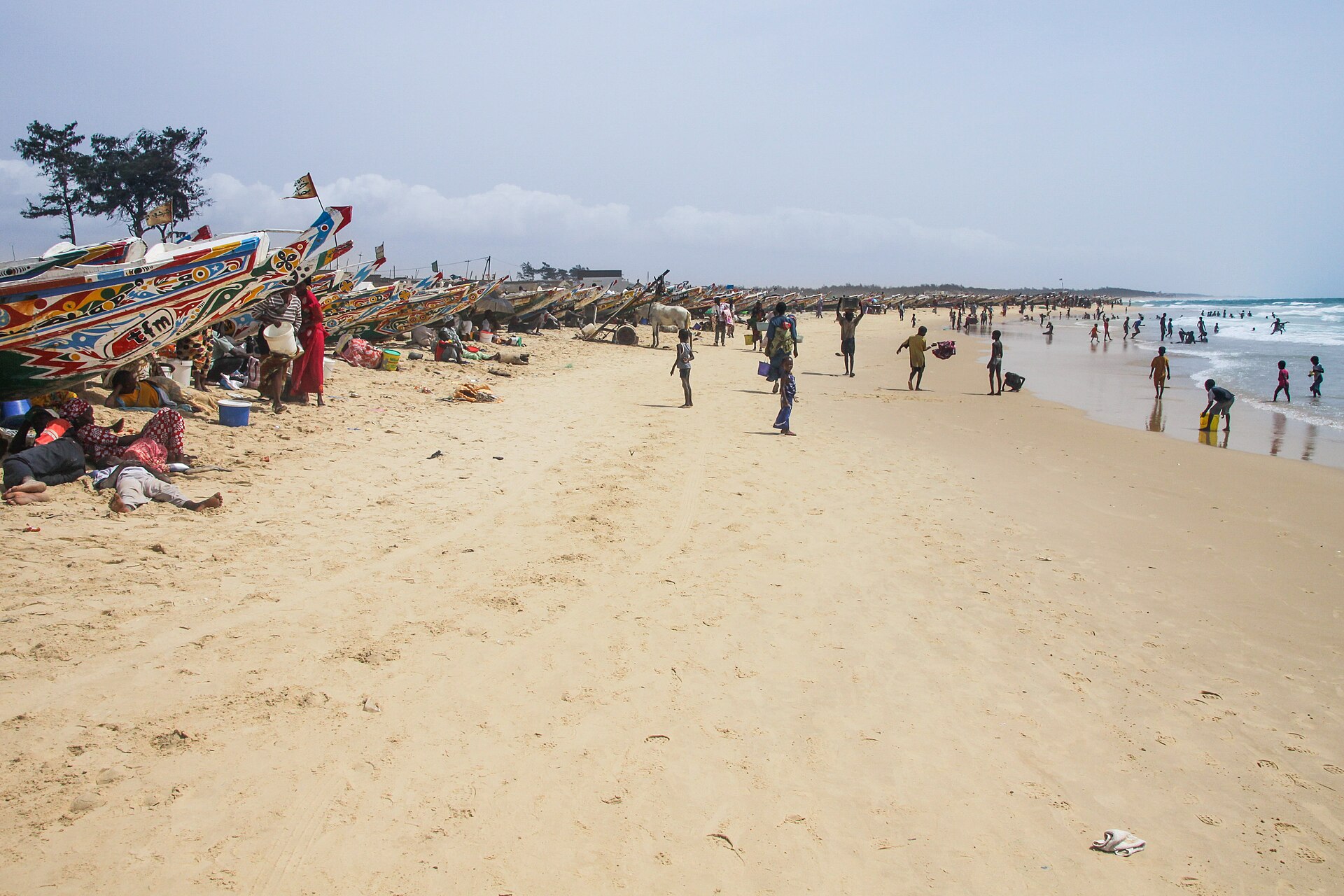
Most Canary Islands migrants are adult men, but the share of women and unaccompanied children from Senegal and Gambia has grown, Juan Carlos Lorenzo, the Canary Islands coordinator of the Spanish Commission for Refugee Aid (CEAR), told Infobae (in Spanish). He cited a lack of jobs for young people and the decline of fishing as drivers.
Why are more Canary Islands migrants leaving now?
Spain’s central government has linked part of the increase to sports events in Senegal, which concentrated police there until 13 November, and to the start of Gambia’s presidential campaign, Infobae reported. Gambians vote on 5 December, with President Adama Barrow seeking a third term. Autumn sea conditions are usually more favourable for crossings, Infobae noted.
The route remains one of the world’s deadliest. At least 39 people died when a boat capsized off Senegal’s north-west coast earlier this month, in a sinking that a rights group wants investigated.
The weekend arrivals come after a year in which flows had fallen. Of just over 28,000 people who reached Spain by sea between January and October, more than 13,000 landed on the Canaries, according to Spain’s Interior Ministry. The International Organization for Migration had reported that sea arrivals from four West African countries fell 59% in the first half of 2026.
How are Spain and the Canary Islands responding?
More than 8,000 Canary Islands migrants have arrived so far in November, EFE said. The number of migrant minors in the regional government’s care rose from 2,300 to more than 3,000 in the first two weeks of the month, according to official sources cited by the agency.
Madrid declared a migration emergency in the Canaries on Tuesday and pledged EUR15.18mn for more places in state-run centres, plus EUR1mn for Red Cross health support, EFE reported. Fernando Clavijo, president of the Canary Islands, asked the Spanish government to activate those measures without delay. “The island cannot keep facing this pressure without the necessary reinforcements,” he wrote on X (in Spanish).
El Hierro, with about 12,000 residents, has received most Canary Islands migrants this month. Clavijo said the rescue service would add a third vessel and more staff on the island; the CGT union at Salvamento Maritimo said promised reinforcements had arrived late in the past.
FAQ
How many Canary Islands migrants arrived on 14 November 2026?
EFE counted 1,580 people on 15 boats, a provisional one-day record for the Atlantic route. AP, citing the rescue service, reported nearly 2,200 over two days.
Where do Canary Islands migrants set off from?
This weekend’s boats left Senegal, Gambia and Mauritania, including the towns of Kayar in Senegal and Gunjur in Gambia, according to EFE. Crossings took four to seven days.
What was the previous record?
The previous one-day record was 1,461 people rescued on 7 November 2020, when Gran Canaria was the main landing point.
What has Spain done?
The government declared a migration emergency over Canary Islands migrants on 10 November and pledged EUR15.18mn for reception places and EUR1mn for Red Cross health support, EFE reported.


