

Sudan’s prime minister, Kamil Idris, has scrapped customs duties on imported maize and cut them on soybean meal to ease a Sudan animal feed shortage worsened by the worst rains in decades and the war.
The decision, announced by the cabinet’s media office on Tuesday, matters for one of Sudan’s few remaining export earners: livestock. Feed costs feed straight into the price of meat, milk, eggs and poultry, at a time when the Sudanese pound is nearing 12,000 to the dollar.
What did the government decide on Sudan animal feed?
Idris issued a decision on 17 November exempting imported maize from customs duties, including the import duty and the additional duty, and exempting soybean meal from the import duty, the cabinet’s media office said. The government did not say how long the exemptions would last or how much revenue it expects to forgo.
The move follows a 16 per cent rise in the customs exchange rate, the rate used to value imports for duty, to 6,539 pounds per dollar, which pushed up the cost of most imports this week. In October, the government also exempted a list of basic foods, including flour, lentils, rice and cooking oil, from customs duties and value added tax.
How big is the Sudan animal feed gap?
Khalid al-Maqboul, deputy head of the federation of agricultural and animal production chambers and head of the meat exporters’ chamber, told Sudan Tribune that the decision was timely. He said the country’s feed gap was estimated at about 14mn tonnes of dry matter even before the war and the drought (translated from Arabic).
Imported maize and soybean meal would cut production costs and reduce the competition between people and animals for sorghum, Sudan’s staple grain, which is also fed in large quantities to poultry and fattened livestock, al-Maqboul said. He said prices of poultry, eggs, dairy and meat could fall as a result.
The federation has asked the trade and livestock ministries for a second measure: an urgent ban on exports of feed during the current season, including alfalfa, crop residues, oilseed cake, molasses and bran, he said. He warned of a repeat of the drought of 1983 and 1984, which devastated herds and pastoral communities.
Why is the Sudan animal feed shortage getting worse?
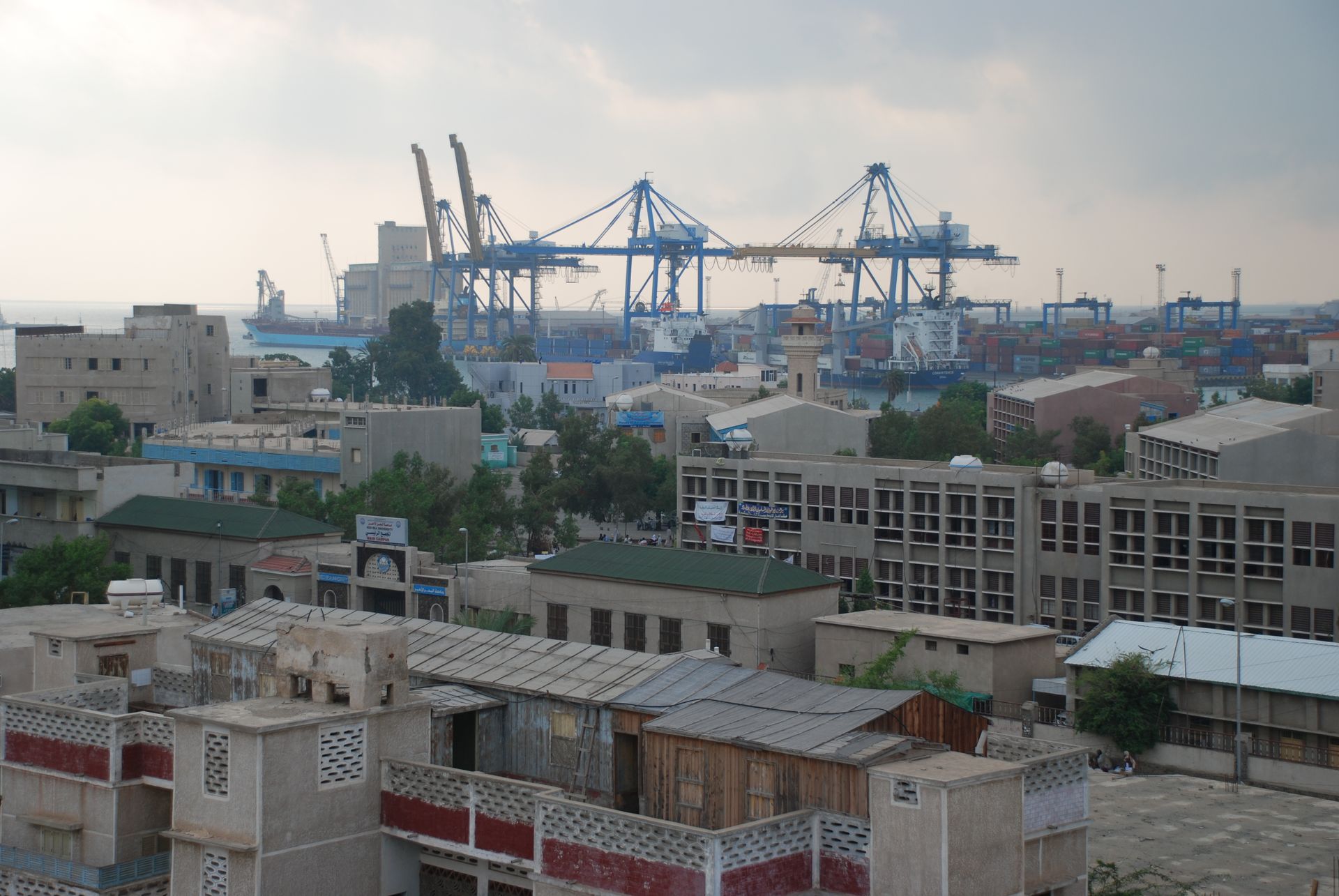
Rainfall during the June to September rainy season was below average over most cropping areas, linked to the El Niño weather pattern, according to the Food and Agriculture Organization. Sennar and Gedaref states, which together grow about a quarter of Sudan’s sorghum, received about 20 and 30 per cent less rain than their long-term averages, the FAO said.
Rainfall in July to September was the lowest nationwide in more than three decades, according to US Geological Survey data cited by Reuters. Poor rains shrink natural pasture as well as crops, a heavy blow in a country with an estimated 115mn head of livestock, according to Sudan Tribune.
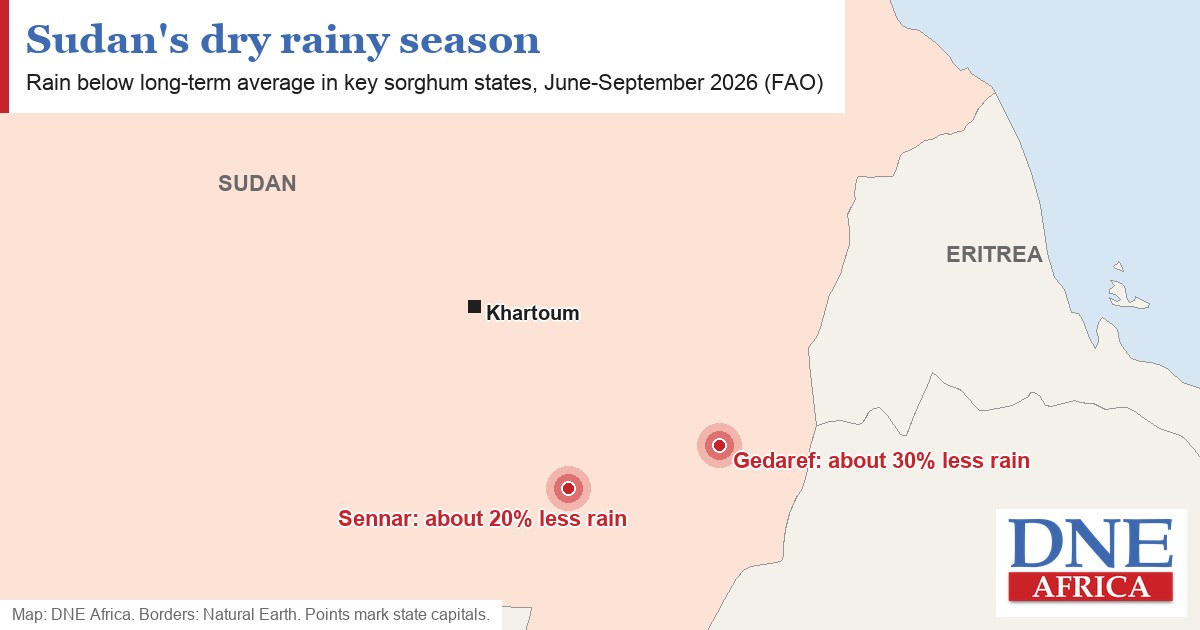
The war between the army and the RSF militia, now in its fourth year, has added to the strain. It has cut roads to ports, damaged slaughterhouses and quarantine facilities and displaced workers, costing the livestock sector more than $1bn in 2025, according to a central bank report cited by Al Jazeera.
What does the Sudan animal feed shortage mean for exports?
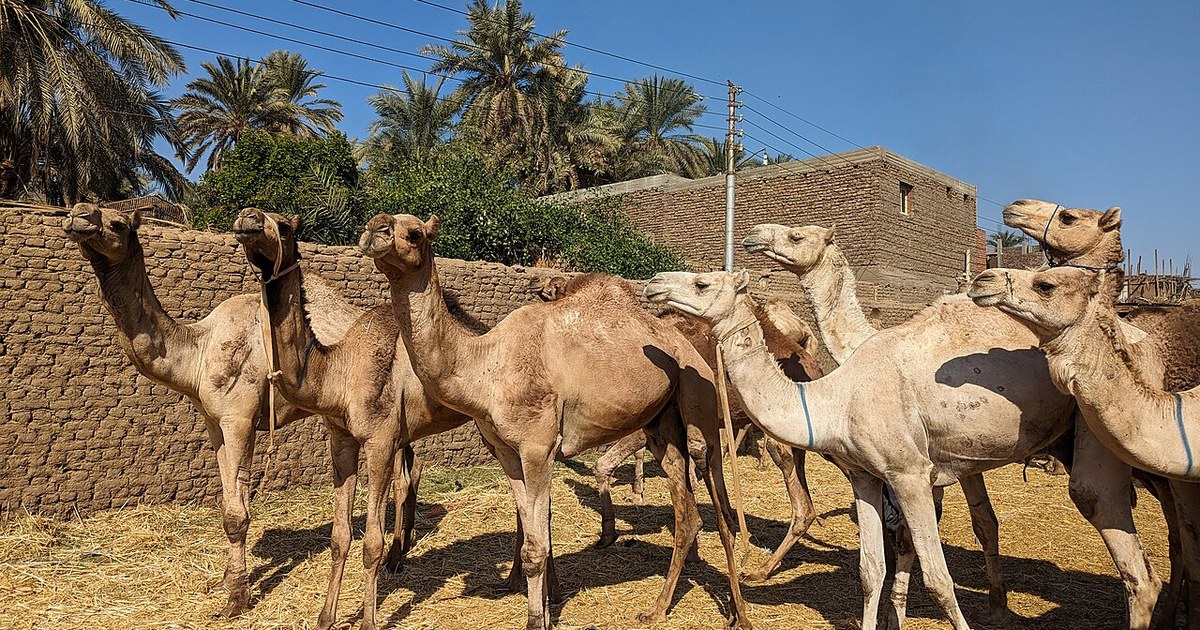
Livestock is one of Sudan’s main sources of foreign currency, with sheep and camels shipped mainly to Saudi Arabia and Egypt. Livestock exports were worth about $289mn in the first nine months of 2025, according to preliminary customs data from the Central Bureau of Statistics, compared with $556mn for all livestock-related exports in 2022, according to the Sudan Transparency and Policy Tracker.
Cheaper imported feed could help exporters keep herds in condition, though the effect depends on how much maize traders can bring in while the pound keeps falling. The government has not said whether it will act on the federation’s call for a feed export ban.
FAQ
What has Sudan done about animal feed?
Prime Minister Kamil Idris exempted imported maize from customs duties and soybean meal from import duty on 17 November 2026 to ease the Sudan animal feed shortage, the cabinet’s media office said.
How big is the Sudan animal feed gap?
The feed gap was estimated at about 14mn tonnes of dry matter even before the war and the drought, according to Khalid al-Maqboul of the meat exporters’ chamber.
Why are feed prices rising in Sudan?
Below-average rains linked to El Niño have reduced crops and pasture, the war has disrupted supply chains, and a weaker pound and a higher customs exchange rate have raised import costs.
Will Sudan ban feed exports?
Producers have asked the trade and livestock ministries to ban feed exports this season. The government has not announced a decision.


