
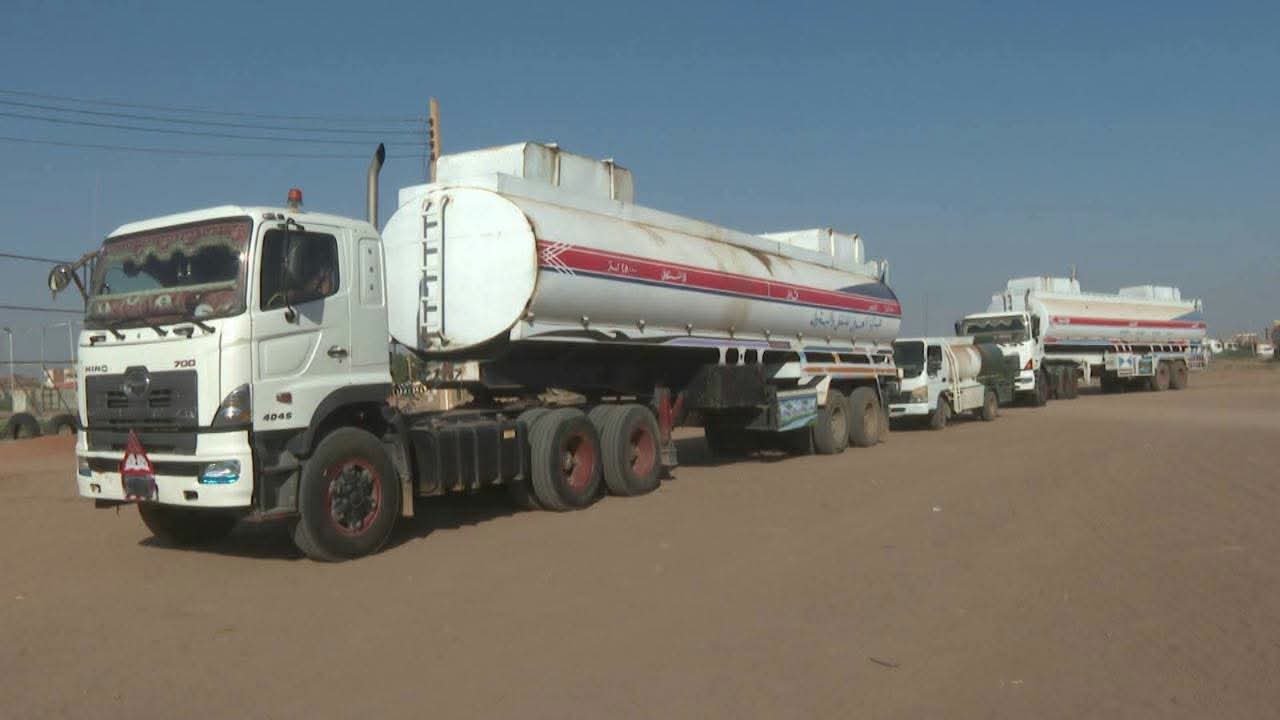

Sudan’s intelligence service said on Sunday it had seized 24 tankers in Khartoum in a Sudan fuel smuggling case, and that about half the state’s fuel quota had been diverted towards Rapid Support Forces (RSF) militia areas.
Khartoum’s governor, Ahmed Osman Hamza, has frozen all “Wasel” mobile fuel-delivery companies until further notice, and the managers of the firms suspected of involvement have been detained. The Sudan fuel smuggling case comes as the capital faces an acute shortage that has emptied petrol stations and pushed up transport and food costs.
What did Sudan’s intelligence service say about the fuel smuggling?
In a statement on Sunday, the General Intelligence Service said its Khartoum State Security Authority, working with the state’s General Directorate of Transport and Petroleum, carried out an operation on Saturday that seized 18 petroleum tankers. Fifteen of them were carrying fuel approved for service and production institutions in the state, it said.
According to the statement, the companies concerned obtained successive distribution permits from the directorate without showing that earlier quantities had been delivered to the institutions they were meant for. That allowed them to build up more than half a million litres of petroleum products, close to half of Khartoum state’s quota, at the expense of hospitals, universities, bakeries and farms, the service said.
The service said it tracked the tankers outside the authorised area and identified their destination as RSF militia-held areas in the west. Officers then found six more tankers buried with their full loads in empty areas of Khartoum state, holding about 114,000 litres of diesel. That claim could not be independently verified, and no comment from the RSF militia could be found.
Why did Khartoum freeze the Wasel companies?
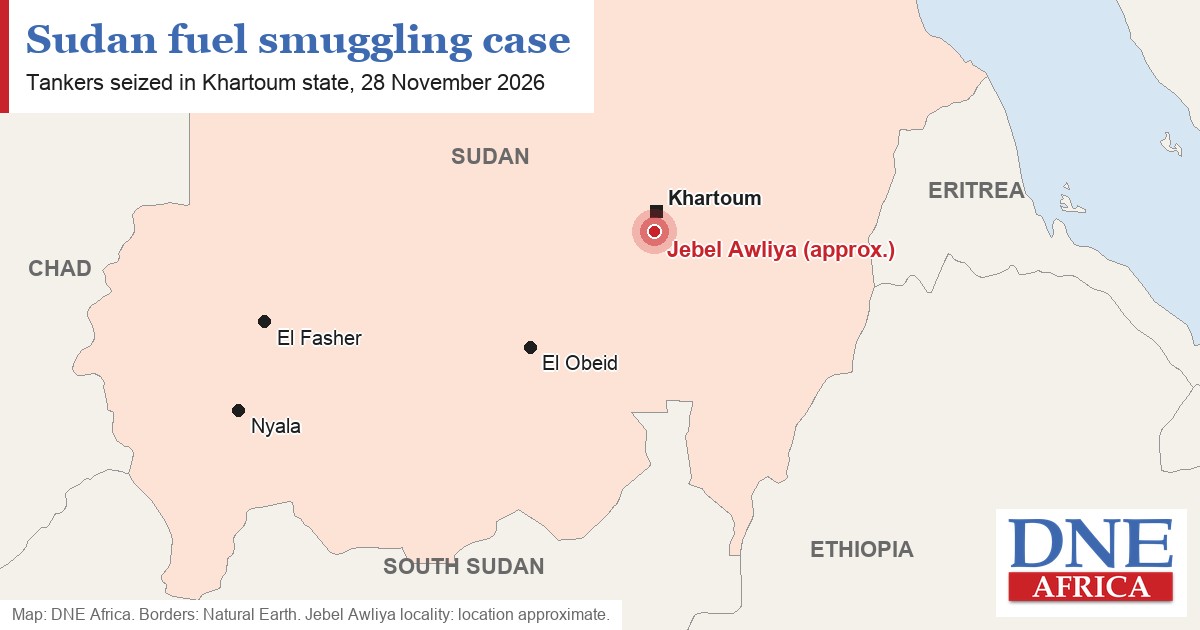
Hamza ordered the freeze after tankers of diesel and petrol were seized in Jebel Awliya locality, south of the capital, the state government said on Saturday evening. He called for urgent measures to stop fuel being distributed outside its designated channels.
Wasel firms deliver petrol and diesel by tanker straight to companies, factories, institutions and remote sites, without going through filling stations. Mahdi al-Amin Idris, head of the state’s General Directorate of Transport and Petroleum, said the companies had committed violations that led to legal action. A security brigadier, Ahmed Farah Saeed, said a criminal case had been opened against them, and Jebel Awliya’s executive director, al-Naji Banga, said the freeze would stay in place until legal proceedings are complete. Officials quoted on Saturday put the seizure at 25 tankers; the intelligence service’s later statement gave 24.
The service said the detained managers would be referred for trial once investigations are complete. It did not name the companies, and none has commented on the Sudan fuel smuggling allegations.
How bad is Khartoum’s fuel shortage?
Petrol sold for about 48,800 Sudanese pounds a gallon at most Khartoum stations in early November, and diesel for about 45,000 pounds, Sudan Tribune reported, as shortages spread across both army-held and RSF militia-held areas. The pound traded at about 12,000 to the dollar in mid-November, making every fuel import dearer.
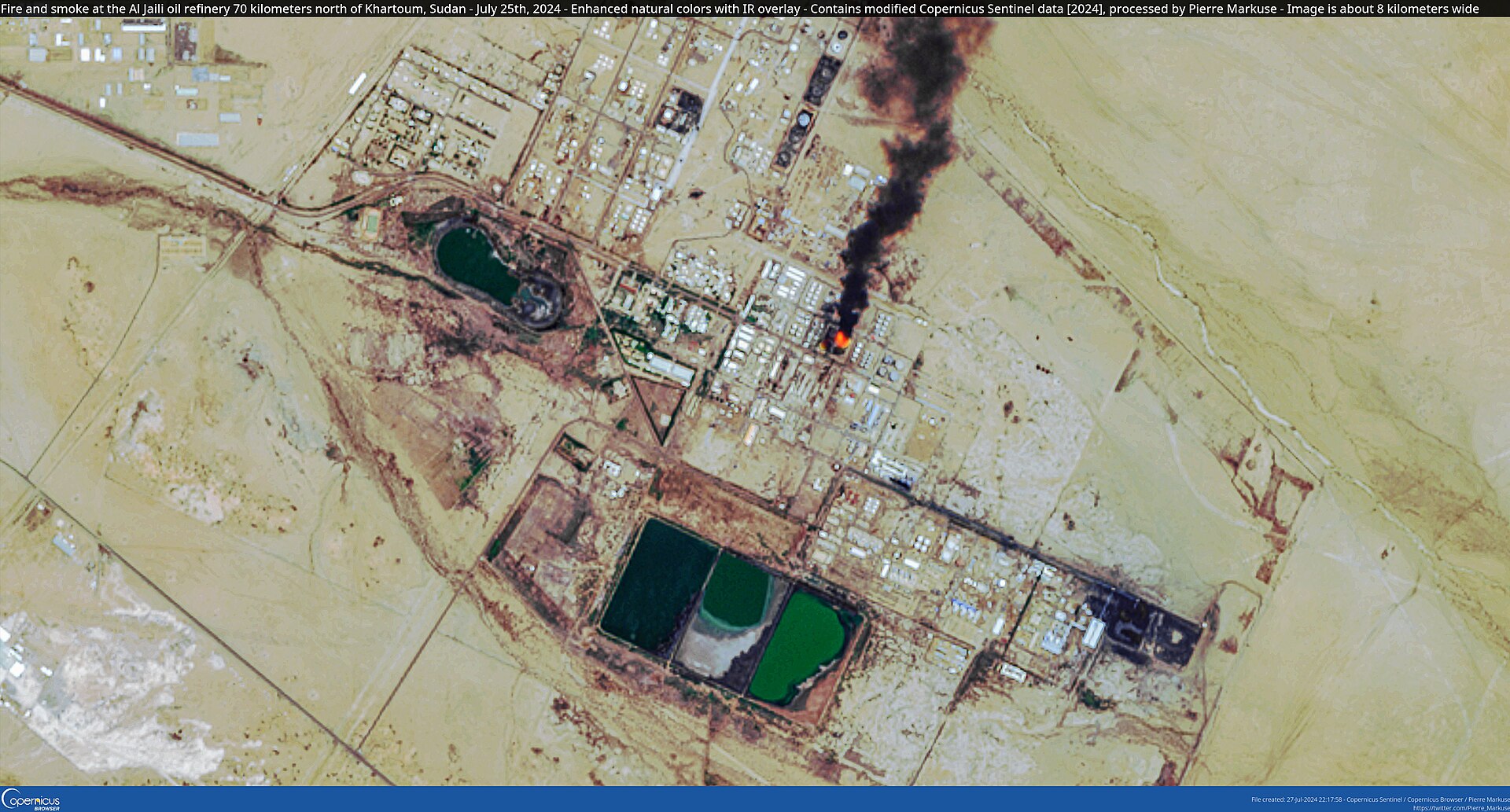
The Khartoum refinery at al-Jaili, which once met about 70% of national fuel needs, remains shut, leaving Sudan almost wholly reliant on imports, Africanews reported on 15 November. Residents describe queues of several hours at the few stations still open.
How does Sudan fuel smuggling feed the war?
A July 2024 study by the Sudan Transparency and Policy Tracker found that the refinery stopped working in October 2023 and that fuel reached RSF militia-held Darfur along smuggling routes from southern Libya and, according to a UN panel of experts it cited, through South Sudan. The same study said companies affiliated with the army and the intelligence service dominated fuel distribution during the 2019-2021 transition.
Army-aligned state authorities have also tried to curb Sudan fuel smuggling and other trade with the west. Khartoum’s governor issued an emergency order in December 2025 banning the movement of goods across the state’s western border, Ultra Sudan reported, adding that activists warn such bans raise prices for civilians in RSF militia-held areas. For the wider conflict, see our Sudan war explainer and army chief Abdel Fattah al-Burhan’s accusations against Sudan’s neighbours.
What happens next?
The intelligence service said it would keep tracking smuggling networks and cutting the RSF militia’s supply lines. The Sudan fuel smuggling case now moves to prosecutors, while the Wasel freeze leaves institutions that relied on delivered fuel waiting for the state to say how their supply will be restored.
FAQ
What happened in the Sudan fuel smuggling case?
Sudan’s General Intelligence Service said it seized 24 tankers in Khartoum state on 28 November, carrying fuel it said was diverted from the state’s quota and bound for RSF militia-held areas.
What are Wasel companies?
They are mobile fuel-supply firms that deliver petrol and diesel by tanker directly to businesses and institutions. Khartoum’s governor froze all of them until further notice.
Has the Sudan fuel smuggling claim been verified?
No. The destination of the fuel rests on the intelligence service’s statement and could not be independently verified. The RSF militia has not commented.
Why is fuel scarce in Khartoum?
The Khartoum refinery is shut, Sudan relies on imports and the pound has weakened sharply, pushing up prices and leaving stations short.


