
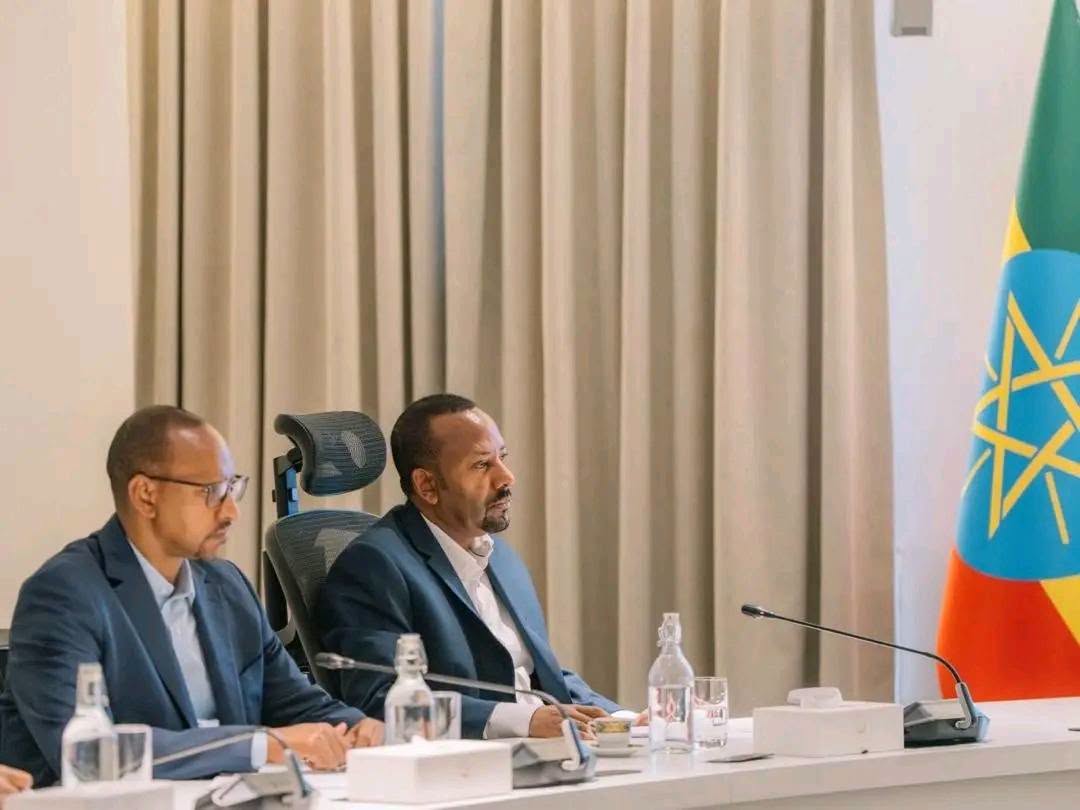

Ethiopia’s Prime Minister Abiy Ahmed reviewed the work of the Tigray trustee administration on Saturday, and its officials said they had completed their plans for the first 45 days in office.
The review comes six weeks into the federally appointed body’s six-month mandate, as fighting near the Eritrean border, a drought and hundreds of thousands of displaced people test its claim to have restored order in the northern region.
What did the Tigray trustee administration report?
Mr Abiy said in a social media post after the meeting that the talks reviewed the administration’s progress, addressed issues needing further attention and reaffirmed its shared priorities, according to the state broadcaster Fana.
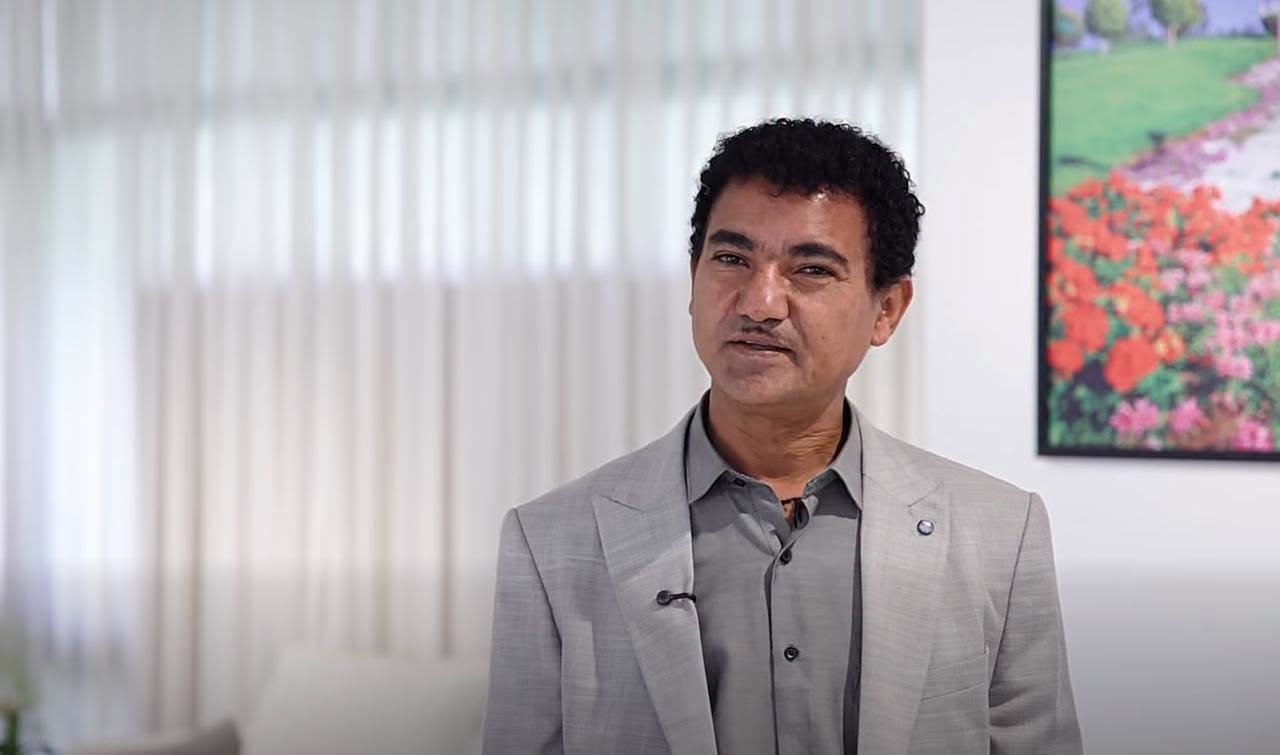
Asefa Abraha, the trustee administration’s chief executive for administration and public services, told Fana that the plans for the first 45 days had been carried out. Zone, woreda and kebele administrations had been set up, he said, and a regional cabinet had been formed and started work. He described the previous cabinet as having been “dismantled and scattered” by what he called the “illegal TPLF”.
Mr Asefa said justice, police and militia structures had been restored and that convicted prisoners who had left prison had been tracked down and detained, which he said had reduced crime in towns. He said the federal government had assessed the Tigray trustee administration’s work as effective and promised continued support.
Tewodros Aregay, the chief executive for economy and reconstruction, told Fana that officials had been assigned to zones and woredas, damaged offices partly repaired and suspended public services resumed. Fuel stations had reopened and fuel was again entering the region, he said, while aid was reaching people hit by drought.
None of these claims could be independently verified, and DNE Africa found no assessment of the administration’s record by the UN or a rights group.
What are the Tigray trustee administration’s next priorities?
Mr Asefa said the meeting set three priorities: returning displaced people to their homes, distributing stored grain quickly to drought-hit areas, and holding a successful election so that power passes to an elected regional government. He said the National Election Board had begun operating in Mekelle.
The scale of the task is large. The UN refugee agency counted 761,284 internally displaced people in Tigray at the end of July, about 40% of Ethiopia’s total, according to a British Home Office country bulletin published in October. The same bulletin cited a September estimate by Tigray’s disaster risk management commission that 3.9mn people needed emergency food aid.
Many of the displaced come from Western Tigray, an area also claimed by Amhara, and say they will not go back without security guarantees.
Why is the Tigray trustee administration disputed?
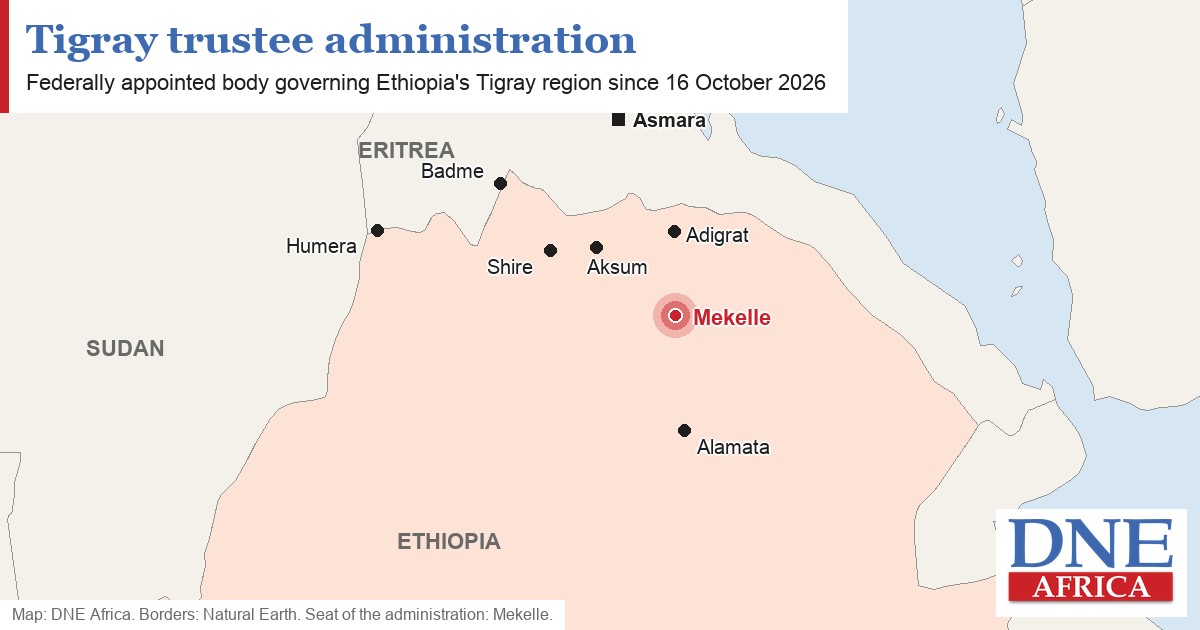
The federal government set up the Tigray trustee administration on 16 October after a decision by the House of Federation, replacing the previous interim administration and giving the new body six months to restore services, help the displaced return and prepare elections. Government-allied forces had entered Mekelle on 4 October after the Tigray People’s Liberation Front (TPLF) withdrew, following fighting that began in September.
The TPLF rejected the new body as illegitimate in October and said decisions taken under it would have no legal force, Anadolu Agency reported. The party had not commented on Saturday’s review by the time of publication.
Fighting has continued. Residents and the conflict monitor ACLED reported clashes and air strikes around Badme near the Eritrean border this week, and Amnesty International has called for a war crimes inquiry into shelling in Alamata. Ethiopia accuses Eritrea of backing its armed opponents, which Asmara denies, and the two governments cut diplomatic ties on 1 October, as set out in DNE Africa’s explainer on Ethiopia-Eritrea tensions.
An October study by African Narratives, a pan-African think tank, assessed that Ethiopia was moving towards a war on several fronts and that the 2022 Pretoria agreement had left the status of disputed territories and the return of the displaced unresolved.
What happens next?
The Tigray trustee administration’s mandate runs until about mid-April 2027. Mr Asefa said its officials’ performance and budget spending would now be reviewed more closely. No date has been announced for the regional election.
FAQ
What is the Tigray trustee administration?
It is a federally appointed body set up on 16 October 2026 to govern Ethiopia’s Tigray region for six months. It replaced the previous interim administration and is also described as a caretaker administration.
What did the Tigray trustee administration say it has done?
Its officials told state media they had rebuilt regional, zone, woreda and kebele structures, formed a cabinet, restored police and courts, reopened fuel stations and delivered drought aid. These claims could not be independently verified.
Does the TPLF accept the administration?
No. The TPLF said in October that the body was illegitimate and that its decisions had no legal force.
When will Tigray hold elections?
The administration says a successful election and a handover to an elected government are among its main goals within its six-month mandate, but no date has been set.


