
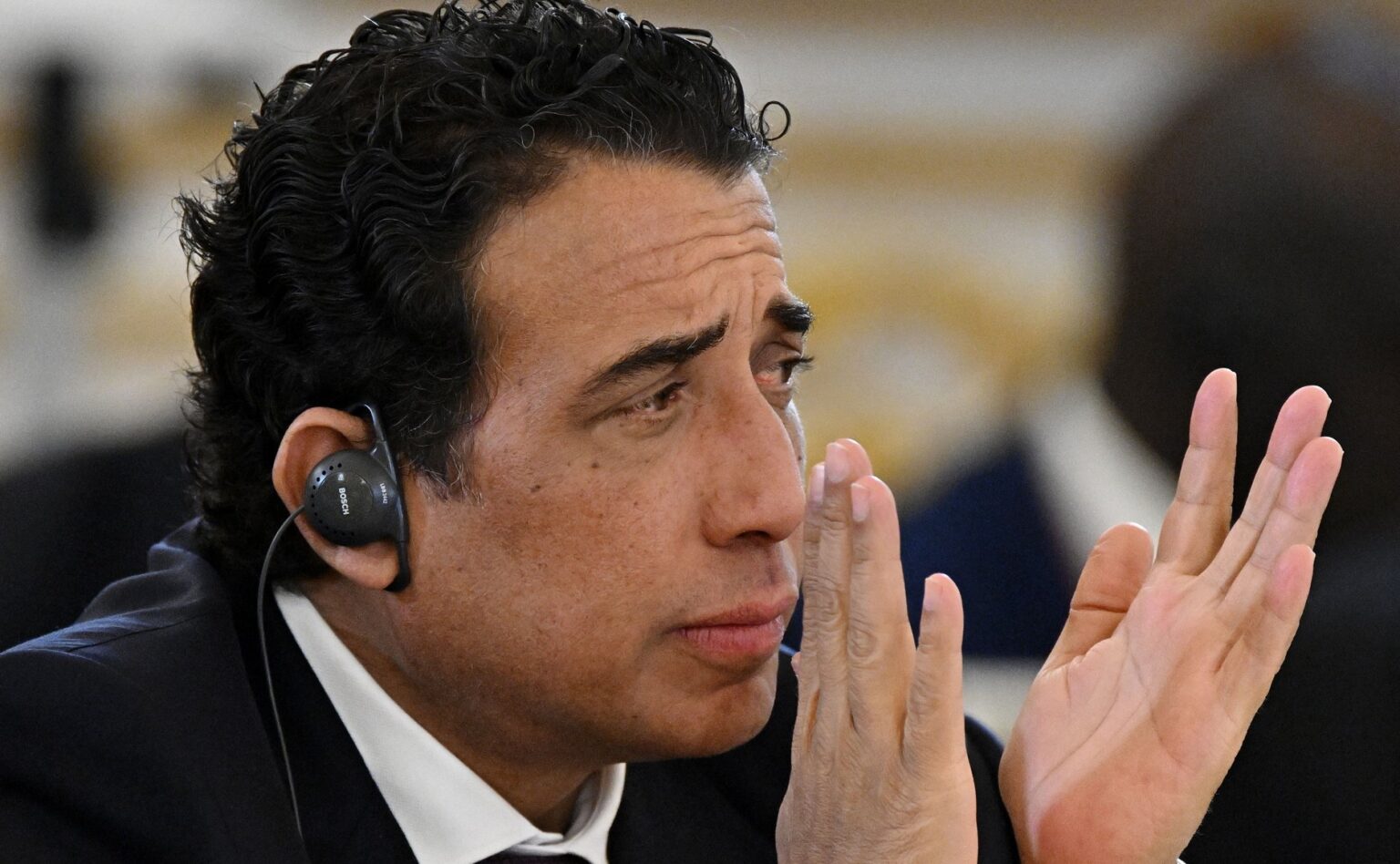

Libya’s Presidential Council head Mohamed al-Menfi discussed with Ugandan President Yoweri Museveni on Saturday how Libya can join the African Peer Review Mechanism, the African Union’s governance self-assessment body, the council’s media office said.
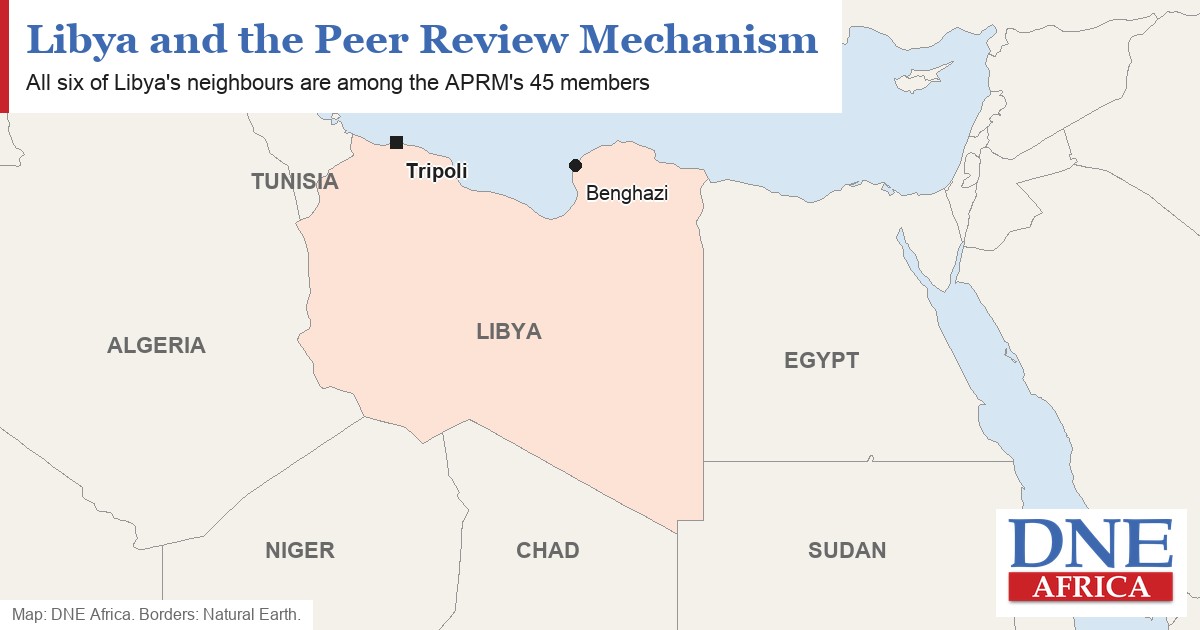
Libya is one of nine African Union states outside the Peer Review Mechanism, and the only country among its six neighbours that has not joined. Membership would open Libya, split between rival administrations in Tripoli and the east since 2014, to a review of its governance by its African peers.
What did Menfi and Museveni discuss?
In a telephone call, the two leaders discussed “the procedures related to Libya’s accession” to the mechanism, according to the council’s statement, carried by the state news agency LANA. They agreed on the importance of sharing experience within the mechanism and drawing on the practices of member states, “foremost among them the Ugandan experience”, to support Libya’s efforts to develop its institutions, the statement said.
Museveni chairs the African Peer Review Forum, the mechanism’s committee of heads of state and government, and also holds the rotating chairmanship of the East African Community. The leaders also discussed bilateral relations and African and international developments, the council said. The statement did not say when Libya would apply or sign the accession documents, and Uganda’s State House had not published its own account of the call by Saturday night.
What is the African Peer Review Mechanism?
The Peer Review Mechanism was set up in 2003 by African heads of state as a voluntary “self-monitoring” instrument, growing out of a declaration on democracy and political, economic and corporate governance adopted in Durban in 2002, according to its official website. A country review involves consultations with government, the private sector and civil society, and ends with a peer review by the heads of state in the forum.
The mechanism lists 45 member states. Somalia became the 45th when it joined in February 2026. The nine AU members not on the list are Cabo Verde, Eritrea, Eswatini, Guinea, Guinea-Bissau, Libya, Madagascar, Morocco and South Sudan. Tunisia, Algeria, Niger, Chad, Sudan and Egypt, Libya’s neighbours, are all members.
Uganda took over the forum’s chair from Algeria at its 35th session in Addis Ababa on 13 February, when Uganda pledged $1mn to support the mechanism’s work, the APRM said in a statement. Museveni’s chairmanship drew a protest from the African Promoters of Democracy, a civil society group, which cited Uganda’s governance record.
Why does the Peer Review Mechanism matter for Libya?
Libya has had two rival centres of power for more than a decade: the internationally recognised Government of National Unity in Tripoli, led by Prime Minister Abdul Hamid Dbeibah, and an administration in the east allied with Khalifa Haftar’s Libyan National Army. The three-member Presidential Council, headed by Menfi, is the head of state under the 2021 UN-backed arrangement.
The council’s statement framed the move as part of efforts to reform state institutions and strengthen good governance. Elections promised under that arrangement for December 2021 were never held. A review under the Peer Review Mechanism would require consultations with institutions across the country, which the split administration could complicate.
The call came as Menfi engages with the AU on other files. Menfi told the AU chairperson, Burundi’s President Evariste Ndayishimiye, in a letter on Thursday that the fourth Africa-Turkey Partnership Summit, due in Tripoli on 8-9 December, would be postponed to a date to be agreed with the AU and Turkey, the council said. On Saturday, the Tripoli government’s foreign ministry still referred to the 8-9 December dates in a statement denying reports of political deals planned for the summit. DNE Africa reported on Libya’s plans to host the summit and on the eastern government’s compensation claim over the Benghazi port strike.
What happens next?
Accession usually begins with a country’s expression of interest, followed by the signing of a memorandum of understanding with the forum; the forum meets on the margins of AU summits, where Somalia’s accession was marked in February. The council did not give a timetable. Whether the eastern-based authorities back the move, and whether Uganda’s presidency publishes its own account of the call, will show how far the Peer Review Mechanism bid has support across Libya’s divide.
FAQ
Is Libya a member of the Peer Review Mechanism?
No. Libya is not among the 45 member states listed by the African Peer Review Mechanism. Its Presidential Council discussed the procedures for joining with Uganda’s president on 28 November.
What does the Peer Review Mechanism do?
It is a voluntary African Union body, set up in 2003, through which member states assess their governance and are reviewed by their peers, with consultations involving government, business and civil society.
Why did Menfi call Museveni?
Museveni chairs the African Peer Review Forum of heads of state and government for 2026-2028, so accession goes through the forum he leads, the council’s statement indicated.
Which African countries have not joined the APRM?
According to the mechanism’s list, the nine AU members outside it are Cabo Verde, Eritrea, Eswatini, Guinea, Guinea-Bissau, Libya, Madagascar, Morocco and South Sudan.


