
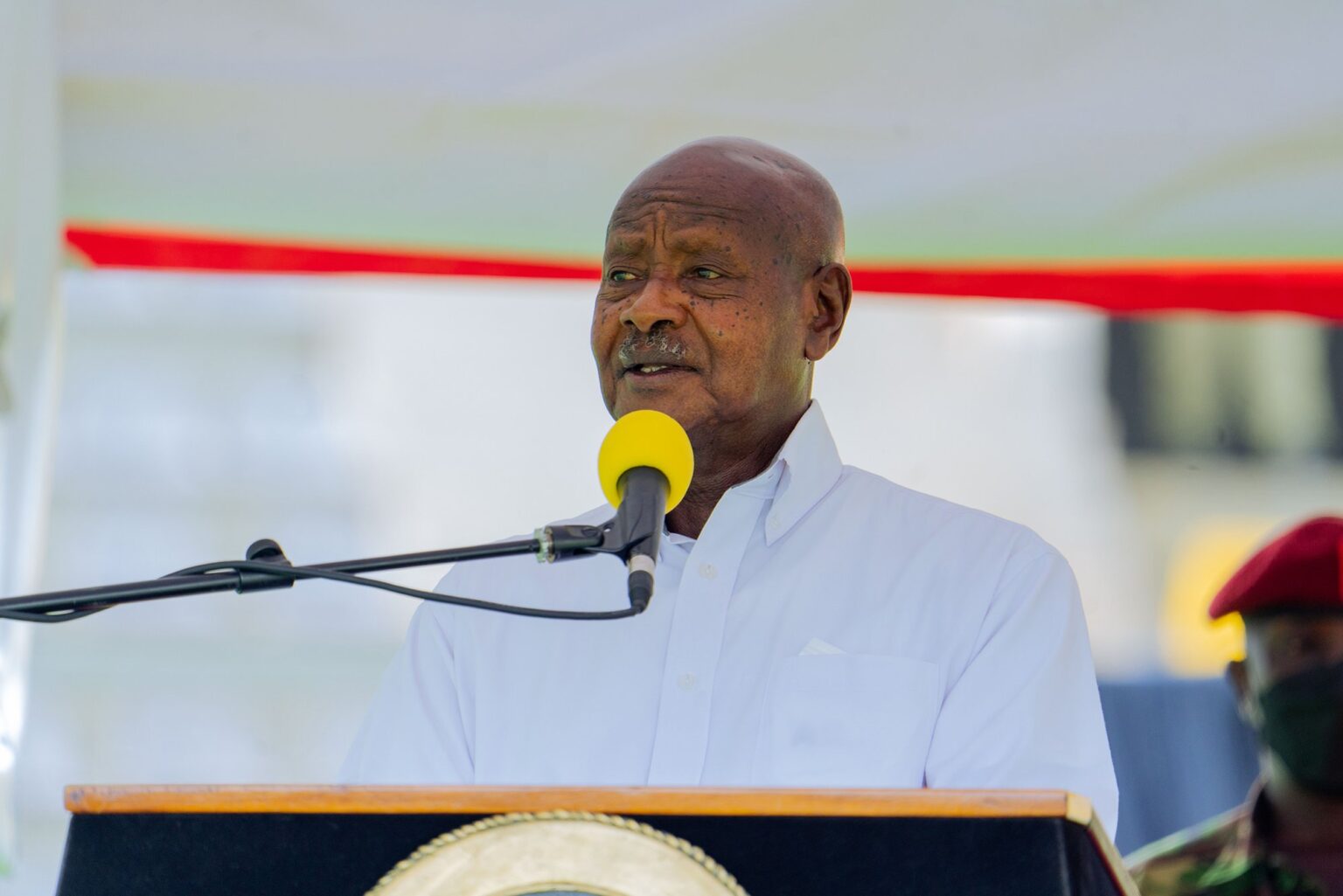

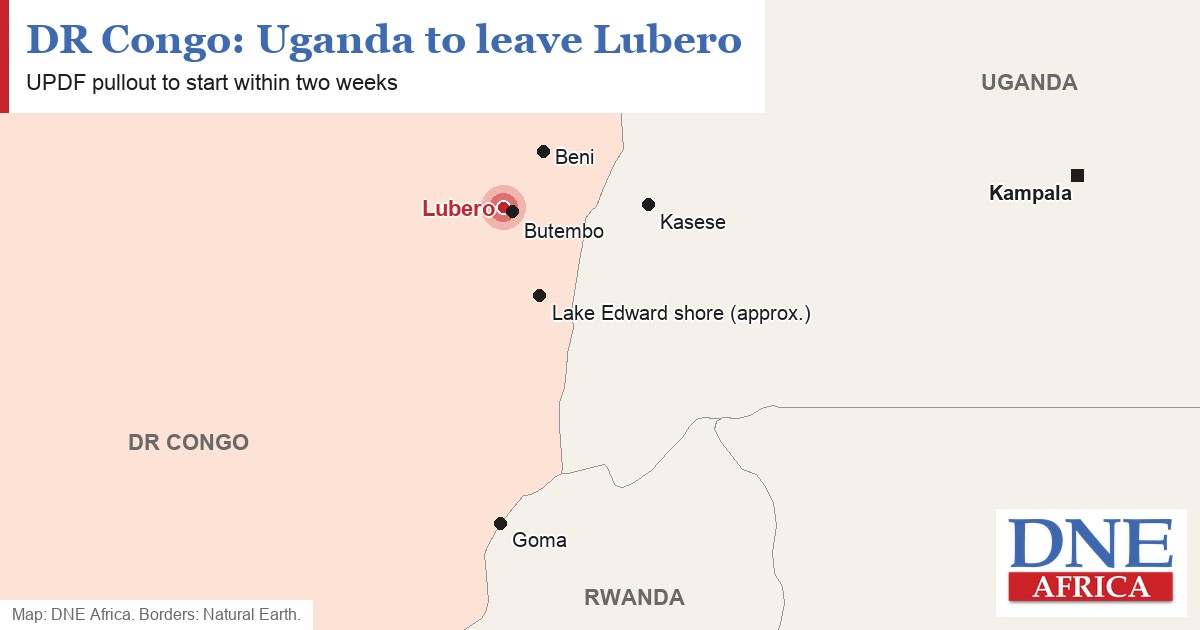
Uganda has halted its Lubero withdrawal from eastern DR Congo, with army chief General Muhoozi Kainerugaba saying on Sunday that troops will stay in the North Kivu town on the guidance of President Yoweri Museveni.
The reversal comes two days after the army said it would hand Lubero to the Congolese military within two weeks, and amid a diplomatic row between Kampala and Kinshasa over Muhoozi’s earlier posts on the war in eastern Congo.
What did Muhoozi say about the Lubero withdrawal?
In a message on X addressed to the town’s residents, Muhoozi, who is also Museveni’s son, wrote: “To the wananchi of Lubero. This is General Muhoozi Kainerugaba addressing you. Under the guidance of H.E. Yoweri Museveni, Commander-in-Chief of the UPDF, we shall not withdraw from Lubero. You are safe.” Wananchi is the Swahili word for citizens.
The post was still being quoted in full by Ugandan news sites Pulse Uganda and ChimpReports on Sunday afternoon. Muhoozi did not say what prompted the change, or whether it followed talks with the Congolese authorities.
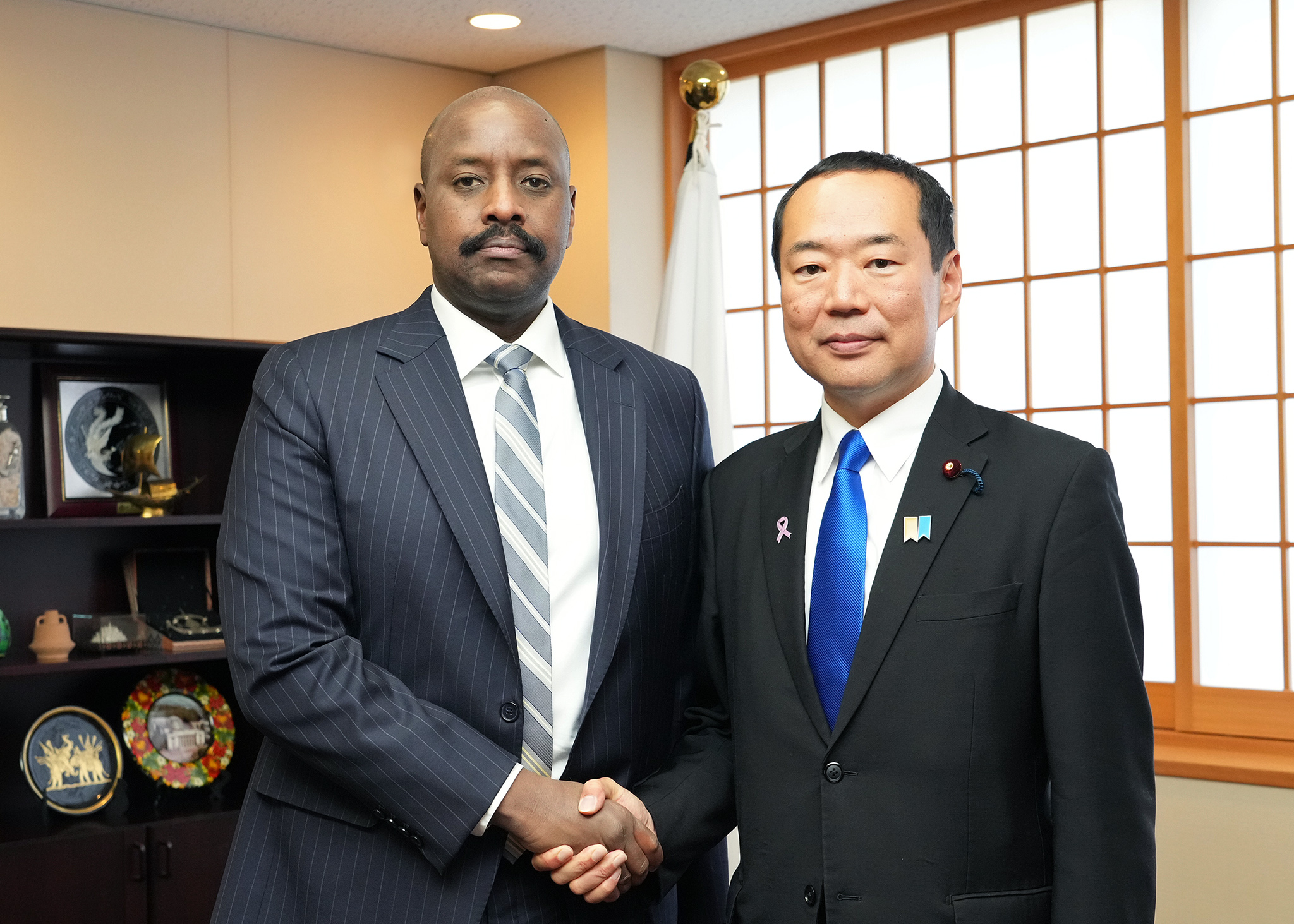
What had the army announced about the Lubero withdrawal on Friday?
On 27 November Colonel Chris Magezi, acting director of defence public information, said the Uganda People’s Defence Forces (UPDF) would “soon withdraw its forces out of Lubero Town” and hand its security to the Armed Forces of the Democratic Republic of the Congo (FARDC), starting within two weeks. DNE Africa reported the plan as Uganda prepared to leave the town.
Ugandan troops have been in Lubero since January 2025, pursuing fighters of the Allied Democratic Forces (ADF), an armed group linked to Islamic State, under Operation Shujaa, the joint offensive Uganda and DR Congo launched in November 2021. The planned Lubero withdrawal covered the town only; the army said the wider campaign against the ADF would go on.
It is not the first such reversal. In March Muhoozi said troops would leave positions from Lubero to Mahagi unless the governor of Ituri province was replaced, then said in early April that they would stay.
How does the Lubero withdrawal fit the row with Kinshasa?
DR Congo’s foreign ministry summoned Uganda’s envoy on 24 November over posts in which Muhoozi backed the capture of Walikale by the FRN, an armed movement led by former president Joseph Kabila. The ministry expressed its “firm disapproval” and asked Kampala to clarify its official position.
On 27 November the two foreign ministers, Uganda’s Adonia Ayebare and DR Congo’s Therese Kayikwamba Wagner, spoke by phone and pledged to settle disputes through diplomatic channels. On Sunday morning Muhoozi wrote on X that Ayebare “did not have my permission” to make the call. Less than two hours later he wrote that the minister had explained that his Congolese counterpart had sought the call, and that “he is forgiven”. Ayebare thanked him for “taking my call”.
The UPDF has also accused militias allied to the Congolese army, including the Wazalendo, of attacking Bahema and Tutsi civilians, a claim that could not be independently verified. Kinshasa had not commented on the halted Lubero withdrawal by Sunday afternoon, and DNE Africa found no statement from the Congolese army.
Why does the Lubero withdrawal matter to both sides?
Lubero lies on National Road 2, the highway linking the trading towns of Butembo and Beni, which have close commercial ties to Uganda. Fighting between the FARDC, allied Wazalendo groups and FRN fighters has spread along the western shore of Lake Edward this month, and displaced families have fled to Kyavinyonge, a fishing town on the lake, Congolese news site Actualite.cd reported on Friday.
ChimpReports, citing local leaders, said on Sunday that private military personnel linked to Erik Prince, the founder of Blackwater, had deployed with Congolese forces in Lubero. Neither Kinshasa nor Prince has confirmed this, and the claim could not be independently verified.
The halted Lubero withdrawal also revives an older debate about Uganda’s aims in the region. A 2022 study by the Congo Research Group and Ebuteli asked whether Operation Shujaa was “fighting the ADF or securing economic interests”, pointing to road projects and trade links. Kampala says its aim is security. For background on the wider war, see DNE Africa’s M23 conflict explainer.
FAQ
Has Uganda cancelled the Lubero withdrawal?
Yes, according to Gen Muhoozi Kainerugaba, who wrote on X on 29 November that Ugandan troops would not withdraw from Lubero, on President Museveni’s guidance.
When was the Lubero withdrawal announced?
The UPDF said on 27 November that it would begin leaving Lubero town within two weeks and hand its security to the Congolese army.
Why are Ugandan troops in DR Congo?
They are there under Operation Shujaa, a joint campaign with the Congolese army against the ADF launched in November 2021. Troops moved into Lubero in January 2025.
How has DR Congo reacted?
Kinshasa had not commented on the reversal by Sunday afternoon. It summoned Uganda’s envoy on 24 November over Muhoozi’s posts about Walikale.


