
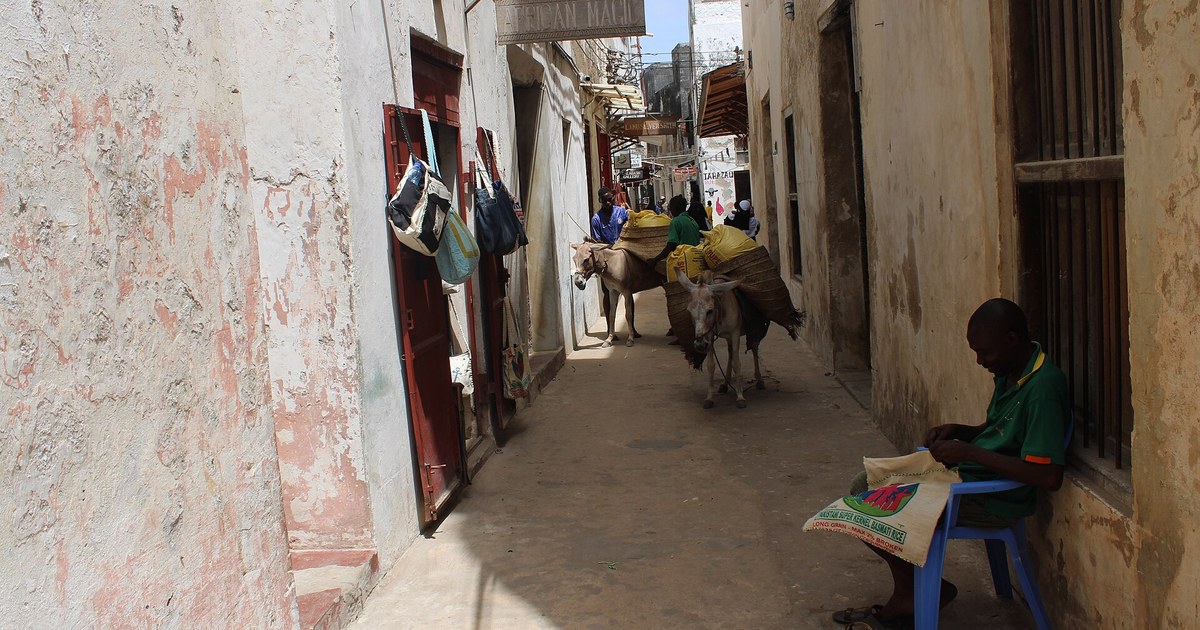

Lamu Old Town, a coral-stone Swahili port on an island off Kenya’s northern coast, marks 25 years on UNESCO’s World Heritage List this year as East Africa’s oldest and best-preserved Swahili settlement.
Many towns along the coast that once traded with Arabia, Persia and India now stand empty, but Lamu has been lived in without a break for more than 700 years, and its houses, mosques and lanes are still in daily use, according to UNESCO’s description of the site.
Why is Lamu Old Town a World Heritage Site?
UNESCO inscribed Lamu Old Town in 2001 on three grounds. Its buildings and street plan show influences from Europe, Arabia and India worked through local Swahili building techniques. The town is the clearest surviving record of the rise and fall of the East African seaports and of the meeting of Bantu, Arab, Persian, Indian and European cultures. And it has long been a centre of religious learning and of Swahili culture.
The protected core covers 16 hectares on an island of the same name, about 350km north of Mombasa. UNESCO describes Lamu as once the most important trading centre in East Africa.
Since the 19th century the town has drawn scholars of Islam and of Swahili culture, and it hosts an annual Maulidi festival. UNESCO cites both that festival and the yearly Lamu cultural festival as evidence of the town’s continuing role.
How was the town built?
The building materials came from the coast itself: coral stone, lime and poles cut from the mangrove forests. Houses face inward onto courtyards, and the seafront buildings, with their arcades and open verandas, present a single face to anyone arriving by boat.
Inside, many older houses have painted ceilings, rows of large and small wall niches, known in Swahili as madaka and zidaka, and pieces of Chinese porcelain set into the plaster. The town is divided into small wards, or mitaa, each a cluster of houses where closely related families live. UNESCO traces the narrow, winding street pattern to Arab traditions of land division.
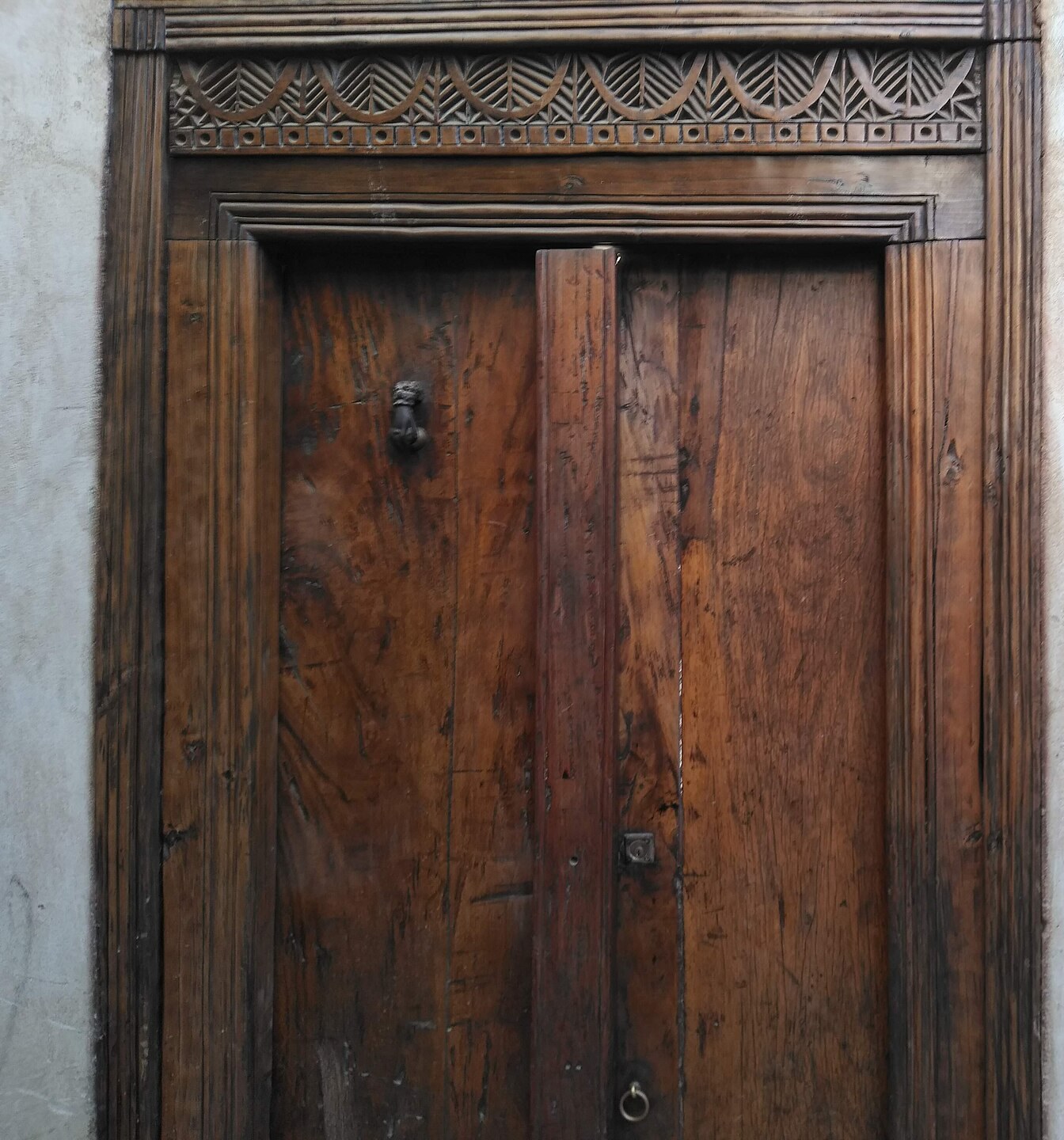
The best-known feature of Lamu Old Town is its carved wooden doors. Heavy timber frames and lintels cut with geometric and floral patterns mark the entrances to the stone houses, and a gallery of antique Lamu doors forms part of the town’s main museum.
What can visitors see in Lamu Old Town’s museums?
The National Museums of Kenya runs five thematic museums in and around the town: the Lamu Museum, Lamu Fort, the German Post Office, the Swahili House and the Takwa Ruins.
The Lamu Museum, set up in the 1960s, holds what the museums body calls one of the largest Swahili ethnographic collections on the East African coast: clothing, jewellery, manuscripts, musical instruments and dhow fittings gathered across the archipelago since the early 1900s.
Its ground floor shows the work of Mohammed Kijumwa, a Swahili poet and wood carver, alongside the door gallery and an archaeology room. Upstairs are collections from the Swahili, Boni, Sanye, Pokomo and Orma communities, galleries on the Maulidi and on seafaring, and the Pate ivory siwa, a ceremonial horn.
The museum building dates from the early 1900s. It was built for Abdallah Bin Hemed Said Al Busaidy, a close confidant of the Sultan of Zanzibar, and later housed the Imperial British East Africa Company and senior colonial officials before serving as the district commissioner’s residence until 1968, according to the museums body.
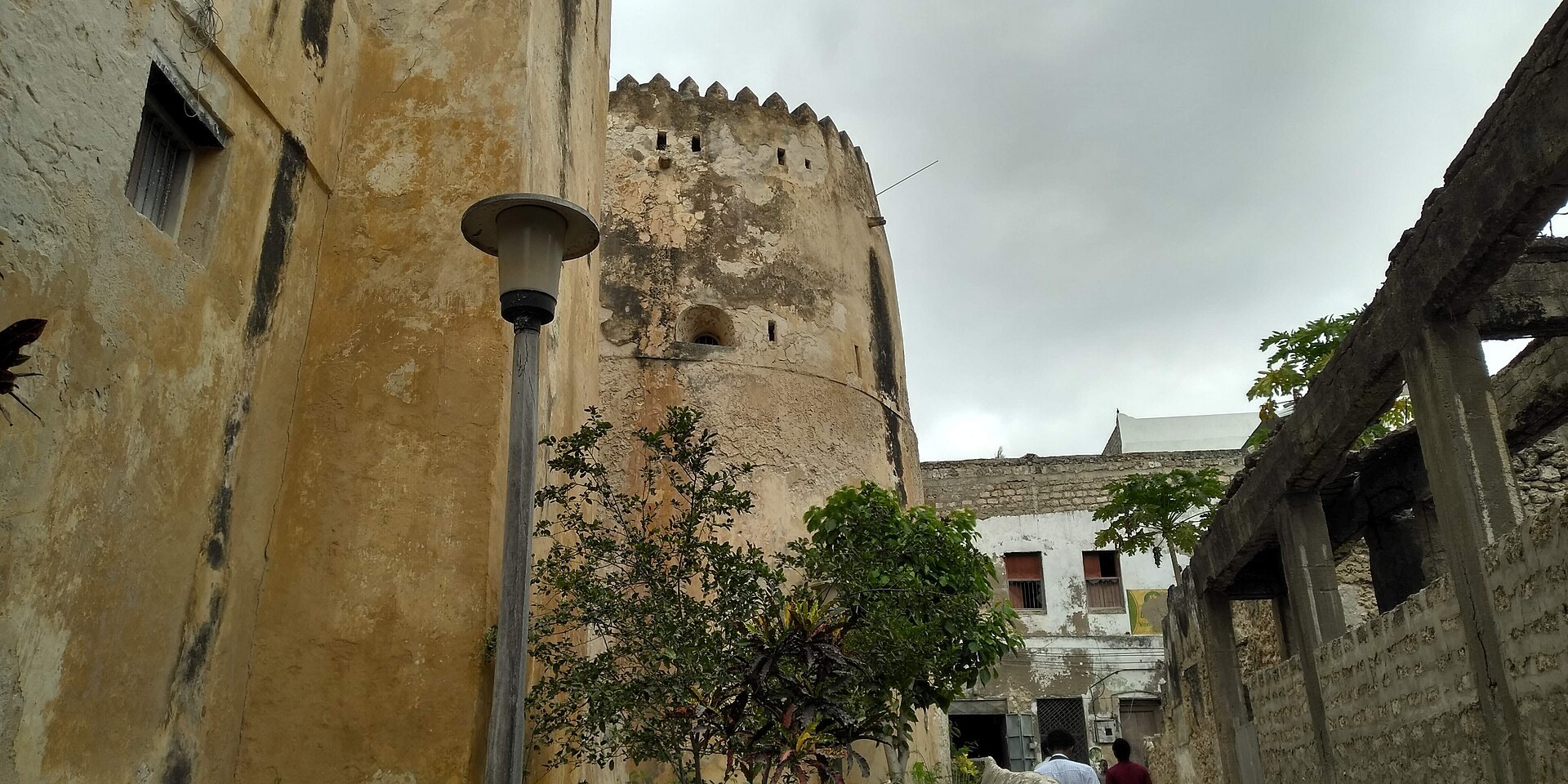
A short walk inland stands Lamu Fort, a crenellated stone fort built in the early 19th century that now houses a museum and a library.
How is the old town looked after?
The National Museums of Kenya has run a conservation office in Lamu since 1986, and a planning commission has overseen building in the conservation area since 1991, UNESCO says. The town is protected under Kenya’s National Museums and Heritage Act of 2006.
In its statement on the site, UNESCO puts 65% of the buildings in good condition, 20% in need of minor repairs and 15% in need of full restoration. It also stresses the setting: the Shela sand dunes nearby supply the town’s fresh water, and the mangroves that shelter the harbour form part of the protected landscape.
Other Swahili towns share Lamu’s coral-stone building tradition. UNESCO added the old medinas of the Comoros to its list in 2026, as DNE Africa reported in July, and the Swahili language that binds these towns now has its own world day on 7 July.
The town’s culture is also on show each year at the Lamu Cultural Festival, a three-day celebration of Swahili traditions with songs and dances along the seafront. The 2025 edition ran from 20 to 22 November, The Standard reported.
FAQ
Where is Lamu Old Town?
Lamu Old Town is on Lamu Island in the Lamu archipelago on Kenya’s northern coast, about 350km north of Mombasa.
When did Lamu Old Town become a UNESCO World Heritage Site?
UNESCO inscribed Lamu Old Town in 2001. It is described as the oldest and best-preserved Swahili settlement in East Africa, continuously inhabited for more than 700 years.
What is Lamu known for?
Its coral-stone houses, carved wooden doors, narrow lanes and long role as a centre of Islamic and Swahili learning.
Who manages the heritage site?
The National Museums of Kenya, through its Lamu World Heritage Site and Conservation Office, which also runs five museums in the area.


