
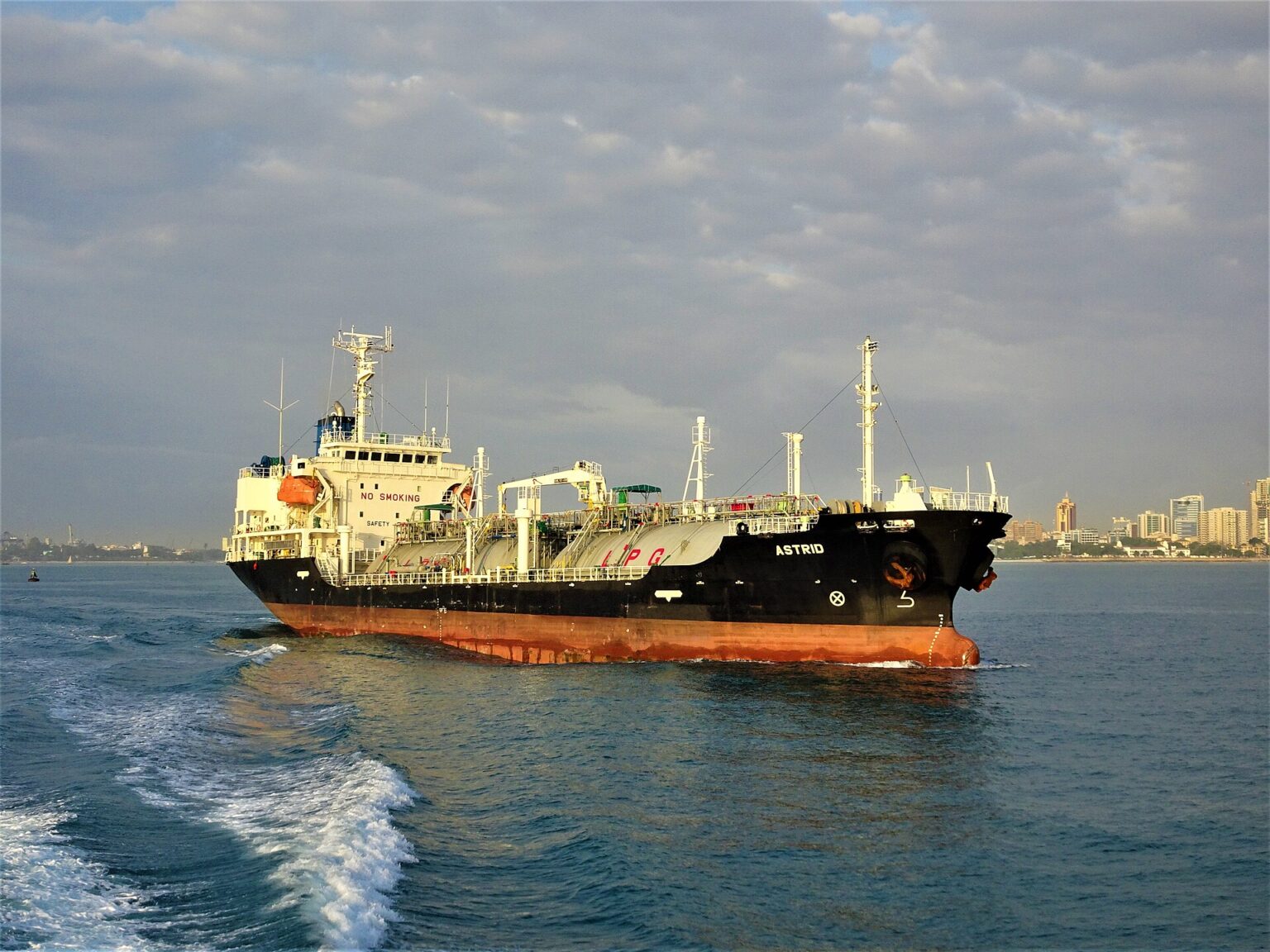

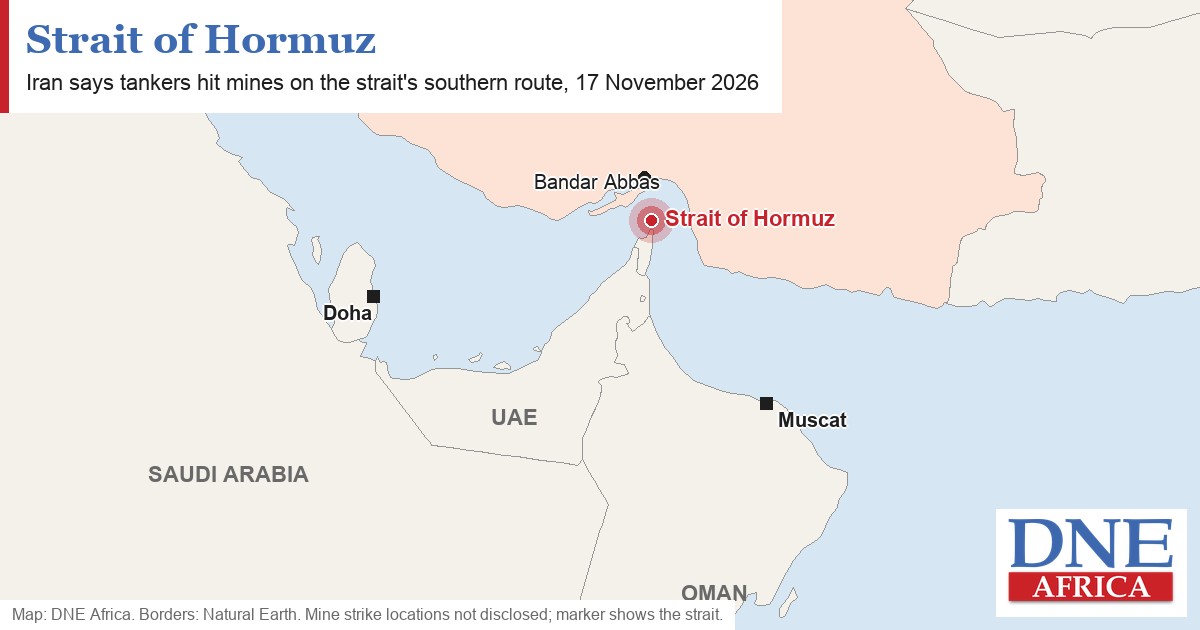
Iran’s Revolutionary Guards said on Tuesday that a supertanker carrying more than 2mn barrels of crude and a gas carrier exploded and caught fire after hitting Hormuz mines.
The strikes extend a campaign that has kept oil markets on edge for eight months. For Africa they matter less for prices this week than for what the war has done to fuel bills, budgets and currencies since early March. Oil importers such as Kenya and South Africa are still paying to cushion pump prices, while Nigeria’s windfall from higher crude has been smaller than its budget hoped.
What did Iran say about the Hormuz mines?
The navy of the Islamic Revolutionary Guard Corps (IRGC) said the two “violating” ships hit mines while trying to cross the strait with the support of a large number of US fighter jets, according to statements relayed by allied media (translated from Arabic). It did not name the vessels or their crews. The claims could not be independently verified.
The IRGC said on Monday that six tankers had caught fire in similar incidents on Sunday and Monday, claims Reuters said it could not verify.
Markets have reacted calmly. Brent crude settled at about $92.44 a barrel on Monday, down 3.6 per cent despite the reported strikes, Legit.ng reported, as traders focused on the International Energy Agency’s forecast of a global supply surplus in the fourth quarter.
How have oil prices moved since the war began?
Brent rose about 7.6 per cent to around $78 on 2 March, the first trading days of the war, from roughly $72 before it. It peaked near $118 in late March, fell back to around $70 by early July after an April ceasefire, and climbed again above $100 in late July and in September as attacks on shipping and energy facilities resumed, according to market data compiled from wire reports.
Even at today’s level, crude is about a quarter more expensive than before the war. Africa imports most of its refined fuel, so the gap feeds through to transport and food costs and to pressure on currencies.
How have the Hormuz mines and oil shock hit African economies?
The IMF’s October Regional Economic Outlook forecast growth in sub-Saharan Africa of 4.5 per cent in both 2026 and 2027, but said the average “masks substantial divergence”, with oil importers most exposed to higher energy and food prices, according to Semafor. It projected median inflation rising from 3.4 per cent in 2025 to 4.3 per cent this year and 5 per cent in 2027.
Kenya has spent public money to hold prices. The Energy and Petroleum Regulatory Authority kept Nairobi pump prices unchanged for 15 November to 14 December at KSh226.96 a litre for petrol and KSh227.76 for diesel, using KSh4.6bn from the Petroleum Development Levy, HapaKenya reported. Without that subsidy, petrol would have risen by KSh8.58 and diesel by KSh10.54 a litre.
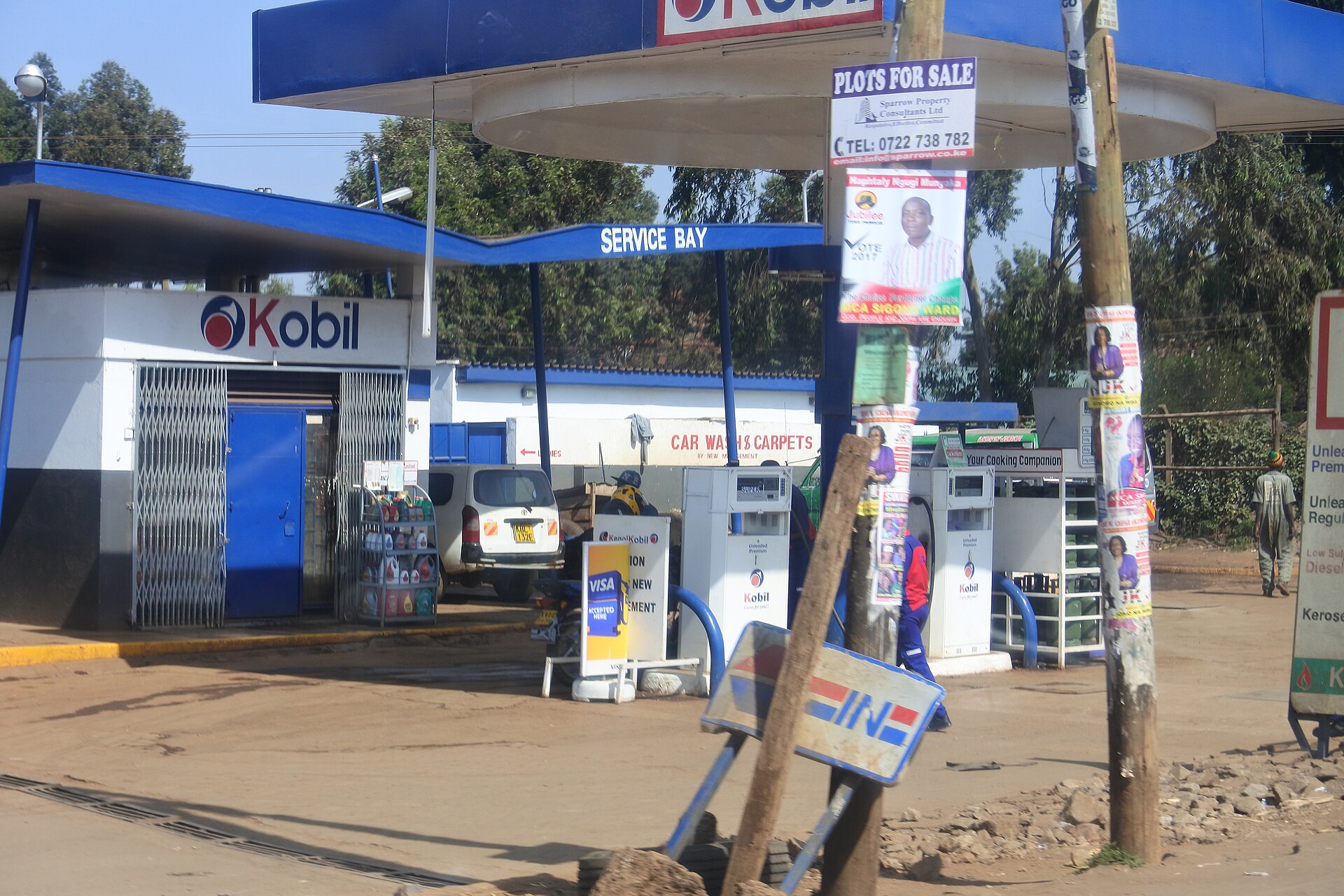
South Africa cut petrol by just one cent a litre in November, to R30.24 for inland 95, while diesel fell R1.20, Carmag reported. A temporary fuel levy relief of R1.50 a litre on petrol and R3.00 on diesel runs to 1 December and is then halved, while the slate levy rose from 87.66 cents to 135.84 cents a litre. Without the relief, petrol would have risen by about R1.50. The IMF expects South Africa to grow by about 1 per cent this year, the weakest among the region’s large economies.
Nigeria, the continent’s biggest oil producer, has gained less than expected. Brent remains far above the $64.85 benchmark in the 2026 budget, but crude and condensate output of about 1.68mn barrels a day in August fell short of the 1.84mn assumed, The Digger News reported. Output slipped again in October, the IEA said this week. The IMF still raised Nigeria’s growth forecast to 4.2 per cent, citing better terms of trade.
What happens next for African fuel importers?
If the IEA’s surplus forecast holds, the latest Hormuz mines may add only a short-lived risk premium. But African governments have limited room to keep subsidising fuel: Kenya’s levy cushion and South Africa’s levy relief both cost revenue, and central banks have kept rates high as inflation and currency risks persist.
The IMF’s adverse scenario would cut median regional growth by 0.5 percentage points in 2027 and add 2.6 points to inflation.
FAQ
What did Iran say about the Hormuz mines on 17 November?
The IRGC navy said a supertanker carrying over 2mn barrels of crude and a gas carrier exploded after hitting mines. It gave no names or crew details, and the claim has not been independently verified.
Have the Hormuz mines pushed oil prices up?
Not this week. Brent fell 3.6 per cent to about $92 on Monday as traders focused on an expected supply surplus, though it remains well above its pre-war level of about $72.
Which African countries are most exposed to the oil shock?
Fuel importers such as Kenya and South Africa, which have used levies and subsidies to hold pump prices, according to the IMF and national regulators.
Has Nigeria benefited from higher oil prices?
Partly. Prices are above its budget benchmark of $64.85, but output has fallen short of target, limiting the windfall.


