
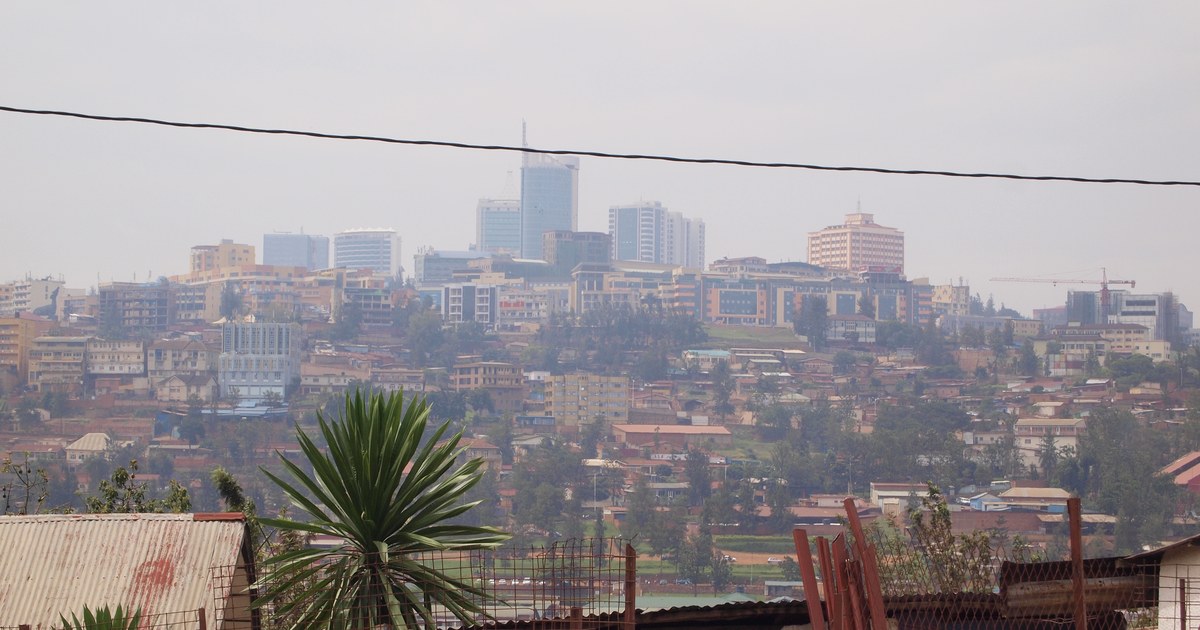

Germany, Denmark, Austria, Greece and the Netherlands said on Monday they will open a Rwanda return hub for migrants facing deportation, ready to take its first transfers in 2027.
The scheme would make Rwanda the first African country to host a European “return hub” under recent EU rules allowing such centres outside the bloc, two years after a British plan to send asylum seekers to Kigali collapsed.
What is the Rwanda return hub?
The Dutch and Danish governments announced the plan in statements, and the five countries presented it at a joint press conference in Vienna, the BBC reported. It would apply to people staying illegally in the five countries who have exhausted legal avenues to remain and are subject to deportation. The Dutch government said it would offer an alternative when deportees cannot be returned to their country of origin.
Once in Rwanda, deportees could either settle there or return home, the countries said. Those who stay would have the right of residence and access to education, healthcare, the labour market and the courts. In its first phase the scheme will “only return single men”, the Dutch government said, and the Netherlands will focus on people from countries in the same region as Rwanda. Unaccompanied children will not be sent.
Diplomatic sources told AFP ahead of the announcement that the Rwanda return hub would start as a pilot hosting about 100 people, with each of the five countries possibly sending about 20. The UN’s International Organization for Migration (IOM) could play a supporting role; a spokesperson said the agency was in discussions with some EU countries on return hubs.
What does Rwanda say?
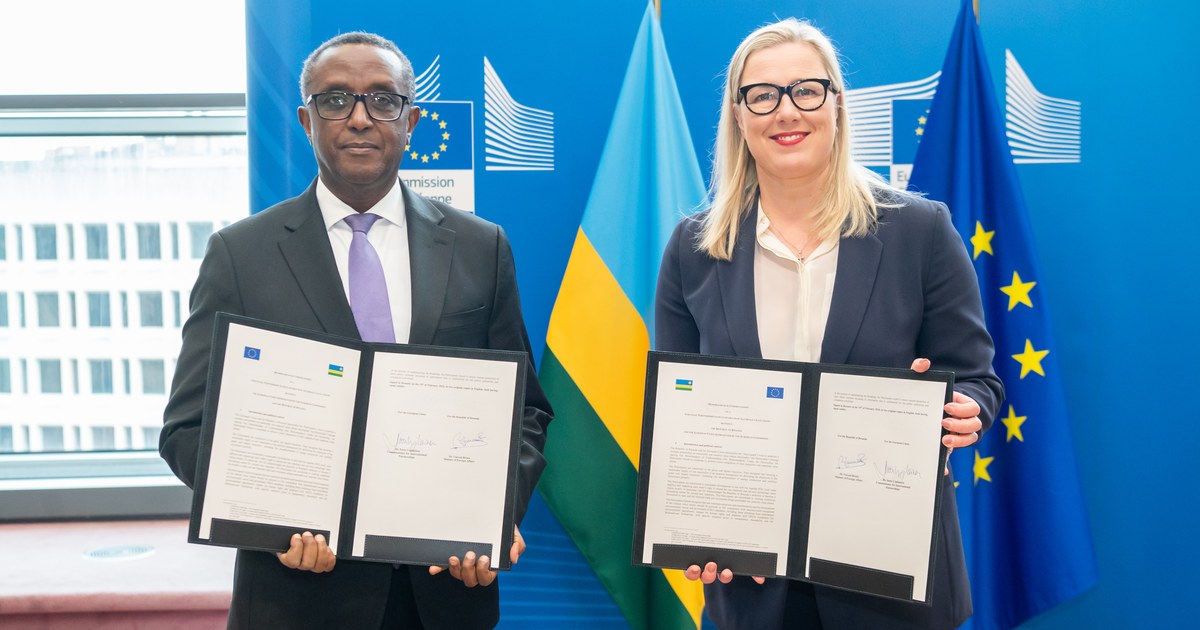
Vincent Biruta, Rwanda’s interior minister, said the country was committed to working with European partners to provide a “safe, legal and dignified solution for migrants”, according to the BBC. He added that they would also work on “correcting the global imbalance in economic opportunities”, which he called a key driver of irregular migration.
Kigali has presented itself for several years as willing to host migrants from elsewhere. Earlier this year government spokesperson Yolande Makolo described talks with European countries as preliminary and said no agreement had been reached. Details of what Rwanda will be paid for the Rwanda return hub, and how it will be governed, have not been published.
How is it different from the UK scheme?
The UK deal signed in 2022 envisaged sending asylum seekers to Rwanda to have their claims processed there. Legal challenges meant no one was sent under it, and the Labour government scrapped it in 2024. The Rwanda return hub instead covers only people whose claims have already been rejected in Europe. Downing Street has not ruled out joining the new scheme and said it would watch it “with interest”.
The five countries say the plan complies with EU and international law. Human Rights Watch said the choice of Rwanda was a cause for concern, citing what it called a record of repression of dissent and support for armed rebels in DR Congo, which Kigali denies. The EU Agency for Fundamental Rights said any host country must respect fundamental rights. Rwanda is also at the centre of a dispute with DR Congo that this week led the French-speaking bloc to extend its leadership by a year rather than hold a vote.
Why does the Rwanda return hub matter for Africa?
The plan comes as European governments face pressure before several elections to show they control migration. Irregular crossings into the EU fell 29% year on year to almost 110,000 in the first ten months of 2026, according to Frontex, the EU border agency. But arrivals in October rose 22% on September, largely because of a sharp rise on the West African route to Spain’s Canary Islands, where nearly 2,200 migrants landed in two days this week, Spain said.
For African governments, the hub raises questions of precedent: whether other countries on the continent will be asked to host similar centres, and on what terms. Uganda has also been named as a possible host.
What happens next?
The five governments must still finalise the legal and financial terms with Kigali before transfers begin in 2027. Legal challenges in European courts are likely, and the pilot’s numbers will be watched as a test of whether such schemes can increase deportations.
FAQ
Which countries are behind the Rwanda return hub?
Germany, Denmark, Austria, Greece and the Netherlands announced it on 16 November 2026.
Who will be sent to the Rwanda return hub?
People staying illegally in the five countries who have exhausted legal avenues and face deportation. The first phase will cover single men only, according to the Dutch government.
When will the Rwanda return hub open?
The countries expect it to accept transfers in 2027, initially as a pilot of about 100 people, according to diplomatic sources cited by AFP.
Can deportees stay in Rwanda?
Yes. They can settle in Rwanda with the right of residence and access to education, healthcare and work, or return to their home country.


