
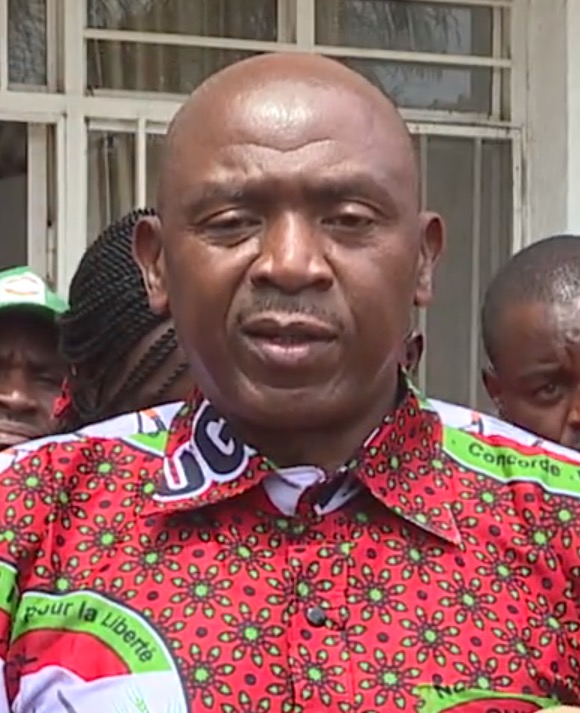

Burundi’s electoral commission on Friday rejected opposition leader Agathon Rwasa’s bid to run in the May 2027 Burundi election, saying he made a false declaration by standing as an independent while still a party member.
The decision removes the runner-up of the 2020 presidential vote from a race in which President Évariste Ndayishimiye is seeking a second term for the ruling CNDD-FDD, which has governed since 2005.
Why did the commission reject Rwasa for the Burundi election?
Prosper Ntahogwamiye, president of the Independent National Electoral Commission (CENI), told a session in Bujumbura that Mr Rwasa’s file lacked the declaration required by article 101 of the electoral code, the Burundian newspaper Iwacu reported. Instead of declaring that he belonged to no political party, Mr Rwasa had declared that he had sat on no party leadership body since 2024, a document he wrote himself and which the law did not ask for, Mr Ntahogwamiye said.
The commission also cited article 99 of the constitution, which defines an independent as a candidate who has claimed no party affiliation for at least a year. Mr Ntahogwamiye said a Supreme Court administrative chamber ruling of 7 August 2026, in a leadership dispute within the National Congress for Freedom (CNL), showed that Mr Rwasa had sued as a statutory member of the party’s political bureau, and that he had never resigned from it.
“Agathon Rwasa does not have the status of an independent. He made a false declaration. Consequently, the Independent National Electoral Commission rejects his candidacy,” Mr Ntahogwamiye said.
Mr Rwasa, who did not attend the session, had not commented publicly by Friday evening. He has two days to challenge the decision before the Constitutional Court, according to Africanews, citing AFP.
Who is still in the race?
The commission approved seven of the 10 files submitted for the Burundi election. Those accepted include Mr Ndayishimiye for the CNDD-FDD, Abel Gashatsi of Uprona, Francis Rohero of FP Ineza and the independent Dieudonné Nahimana, Iwacu reported. Valentin Kavakure and Aloys Kamenyero were also rejected. The final list of candidates is due on 6 December, and the electoral commission has set the vote for 3 May 2027, with campaigning from 10 to 30 April.
What is the background to the Burundi election?
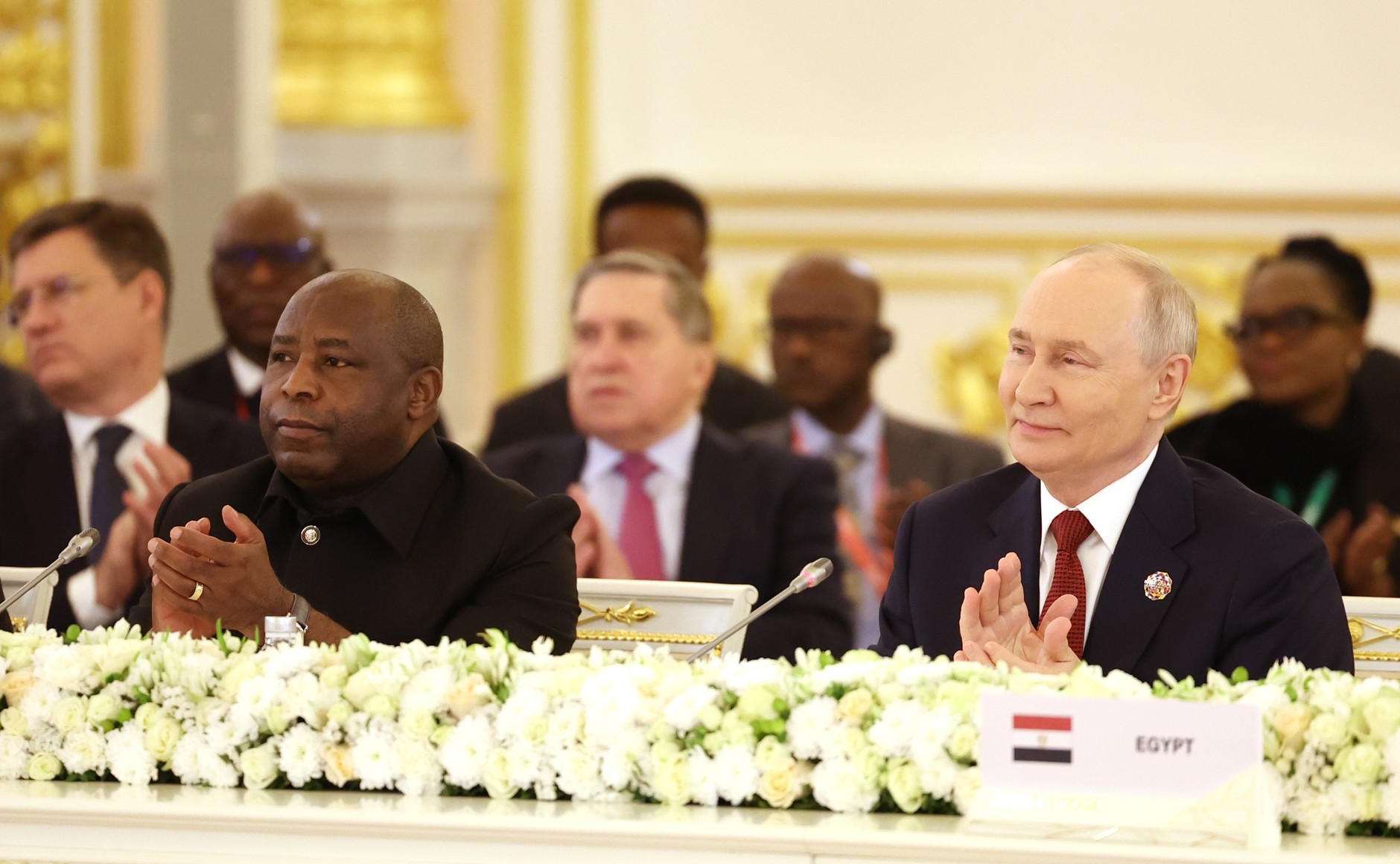
Mr Rwasa, a former rebel leader in Burundi’s civil war, came second to Mr Ndayishimiye in 2020 and has always disputed that result, saying he won; the Constitutional Court rejected the opposition’s challenge at the time. He later lost control of the CNL in a leadership dispute and was among opposition figures barred from the 2025 legislative elections, in which the CNDD-FDD won all 100 seats in the National Assembly.
Opposition parties in the Burundi election have criticised the 100mn Burundian franc ($33,000) deposit required of presidential candidates as a barrier to entry. Earlier this month, 11 smaller parties said they would back Mr Ndayishimiye. Pacifique Nininahazwe, an exiled civil society activist, told AFP the rejection completed “a process of political elimination”. In October the UN Human Rights Council expressed concern over what it called an increase in extrajudicial killings and enforced disappearances in the country.
What happens next?
If Mr Rwasa appeals the Burundi election commission’s decision, the Constitutional Court must rule before the final list is published on 6 December. DNE Africa tracks the vote in its African elections calendar.
FAQ
Why was Agathon Rwasa barred from the Burundi election?
The electoral commission said he made a false declaration: he registered as an independent while, in its view, he remained a member of the CNL party, and his file lacked the required declaration of no party membership.
When is the Burundi election?
The presidential vote is set for 3 May 2027, with campaigning from 10 to 30 April and the final candidate list due on 6 December 2026.
Can Rwasa appeal?
Yes. Rejected candidates have two days to challenge the decision before the Constitutional Court.
Who are the main candidates?
President Évariste Ndayishimiye of the CNDD-FDD, Abel Gashatsi of Uprona, Francis Rohero of FP Ineza and independent Dieudonné Nahimana are among the seven approved.


