
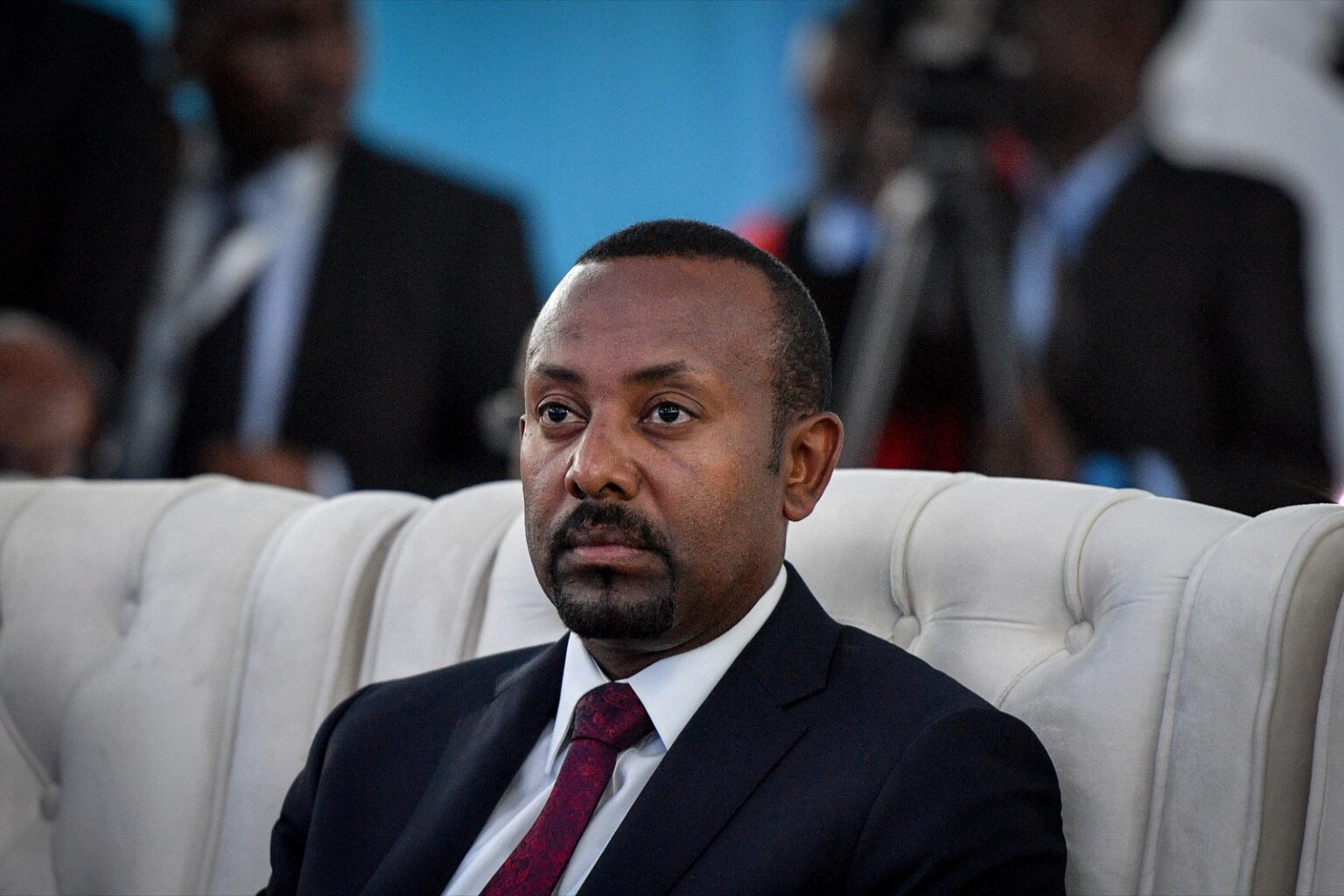

Eritrea on Friday dismissed Ethiopian Prime Minister Abiy Ahmed’s speech on Red Sea access as “cheap lies”, and accused his government of sheltering and arming Eritrean opposition groups.
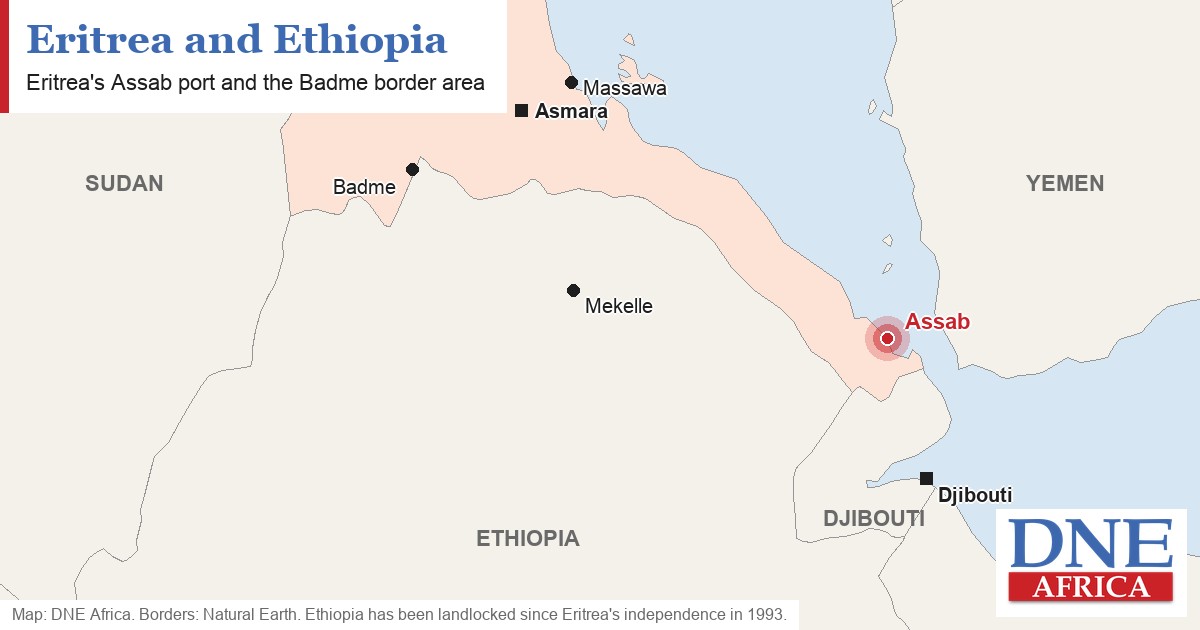
The reply from Information Minister Yemane Gebremeskel deepens a war of words between the two neighbours, which cut diplomatic ties on 1 October and whose border area around Badme has seen fighting this week.
What did Eritrea say about Abiy’s speech?
Yemane said the address was so full of “cheap lies and deceptive fabrications” that it did not merit a serious answer, and called it an insult to the conscience of Ethiopia’s peoples, BBC Tigrinya reported.
He said Ethiopia’s governing Prosperity Party, which he called a “Potemkin” government, should explain why it was “harbouring and arming” Eritrean opposition movements. He named the Red Sea Afar Democratic Organisation (RSADO), an Islamic movement, a group called Blue Revolution and what he called “other terrorist groups”. Eritrean officials rarely acknowledge the existence of armed opposition groups, the BBC noted.
The core of Abiy’s speech, Yemane said, was a “declared war of aggression” against Eritrea that had run for three years under the pretext of a “sovereign sea outlet” and “self-defence”. Ethiopia’s government had not responded to the accusations by Friday evening, and RSADO could not be reached.
What did Abiy tell parliament about Red Sea access?
Addressing lawmakers on Thursday, Abiy said Eritrea’s government must stop arming Ethiopia’s enemies and acting as a supply line for them. If Asmara made mistakes it could not recover from, he said, the consequences would fall on Eritrea.
He said Ethiopia would not invade to gain Red Sea access. “It is said that Ethiopia will invade for the Red Sea. We will not invade. Invasion is not needed; we want to secure it through peace and talks,” he said, according to the BBC. He compared Ethiopia’s push for the sea to the Nile, which flows from Lake Tana into Sudan and cannot be stopped, and said the country’s political elite had once been wrong about the Red Sea but was now in a “strategic awakening”.
Abiy also said Ethiopia had offered Eritrea electricity at Ethiopian tariffs and joint work on roads and a port, and that Asmara had refused. Eritrea’s government, he said, had no word for development “in its dictionary”.
Why does the aid figure matter?
Yemane turned to Ethiopia’s finances, saying the Prosperity Party relied on about $30bn in aid from multilateral and bilateral donors and, though it was not declared, about $30bn more from the United Arab Emirates over the past eight years. “Despite all this, 70 per cent of Ethiopia’s people live in abject poverty,” he said.
He did not say where the figures came from, and they could not be independently verified. Ethiopia, a country of more than 120mn people, does receive billions of dollars a year in loans and aid, and the UAE has been one of its main Gulf backers since 2018.
Eritrea’s own economy has stagnated for much of the past 30 years, with growth in some years driven by mining. The government expelled most international aid agencies in the mid-2000s, restricting direct humanitarian assistance.
How did the Red Sea access dispute escalate?
Ethiopia lost its coastline when Eritrea became independent in 1993, and has relied mainly on Djibouti’s port since the 1998-2000 border war. Abiy has made Red Sea access a national priority since 2023, which Asmara reads as a threat to Assab.
On Thursday, a day before Yemane’s reply, Eritrea’s information ministry published a policy paper accusing Ethiopia of using maritime conferences and naval security talks to win international support for its demand for sea access.
The exchange comes as the federal army fights Tigray forces near Badme, the flashpoint of the 1998-2000 war, residents and ACLED say. Earlier this month the G7 and US senators warned of the risk of conflict over Assab, and Addis Ababa has accused Asmara of backing Tigray forces, which Eritrea denies.
Both governments say they do not want war, but neither has proposed talks since ties were cut.
FAQ
What did Eritrea say about Red Sea access?
Information Minister Yemane Gebremeskel called Abiy Ahmed’s speech “cheap lies” and said Ethiopia’s push for a “sovereign sea outlet” was a pretext for a three-year campaign of aggression against Eritrea.
Which groups did Eritrea accuse Ethiopia of arming?
In his reply on Red Sea access, Yemane named the Red Sea Afar Democratic Organisation (RSADO), an Islamic movement and a group called Blue Revolution, among others. Ethiopia had not responded by Friday evening.
Did Abiy threaten to take Red Sea access by force?
No. Abiy told parliament Ethiopia would not invade and wanted Red Sea access through peace and talks, but warned that Eritrea would bear the consequences if it kept arming Ethiopia’s enemies.
When did Ethiopia and Eritrea cut diplomatic ties?
Eritrea severed relations with Ethiopia on 1 October 2026, after large-scale fighting resumed in Tigray in September.


