
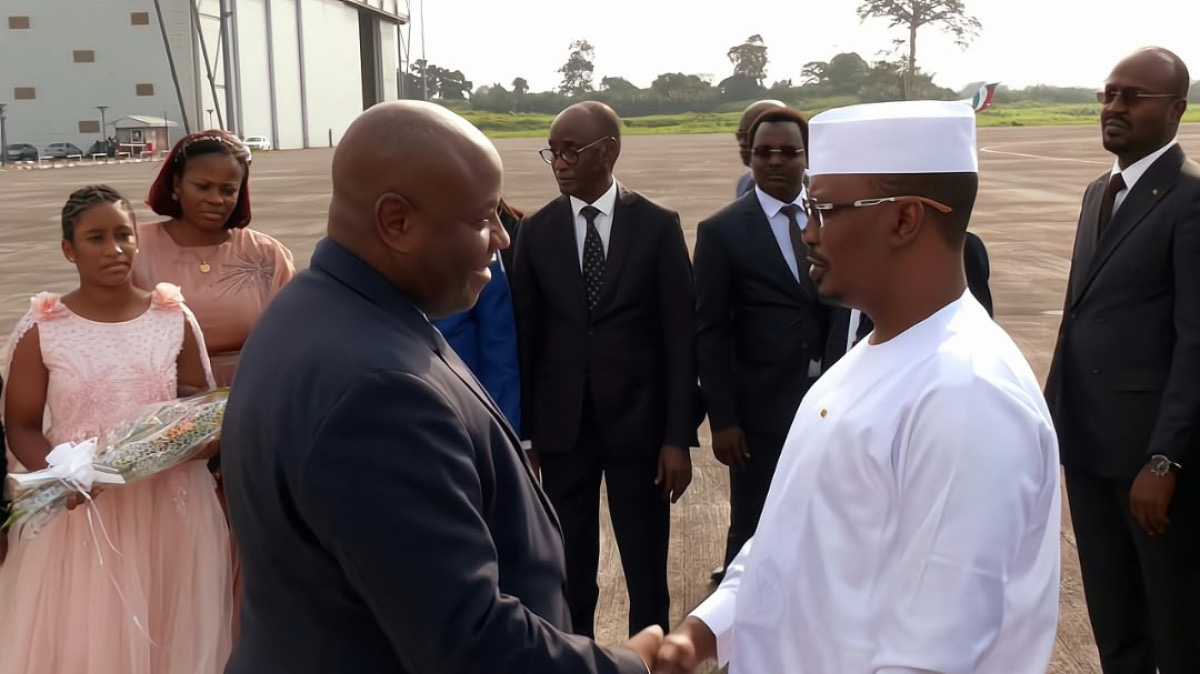

Chad’s President Mahamat Idriss Deby, Gabon’s President Brice Clotaire Oligui Nguema and Sao Tome and Principe’s President Carlos Vila Nova arrived in Malabo on Thursday for an ECCAS summit that opens at Sipopo on Friday, Equatorial Guinea’s government said.
The meeting of the Economic Community of Central African States brings the region’s leaders together as the bloc tries to finish institutional reforms, fund a common security budget and keep the DR Congo-Rwanda rift from paralysing it.
Who has arrived for the ECCAS summit?
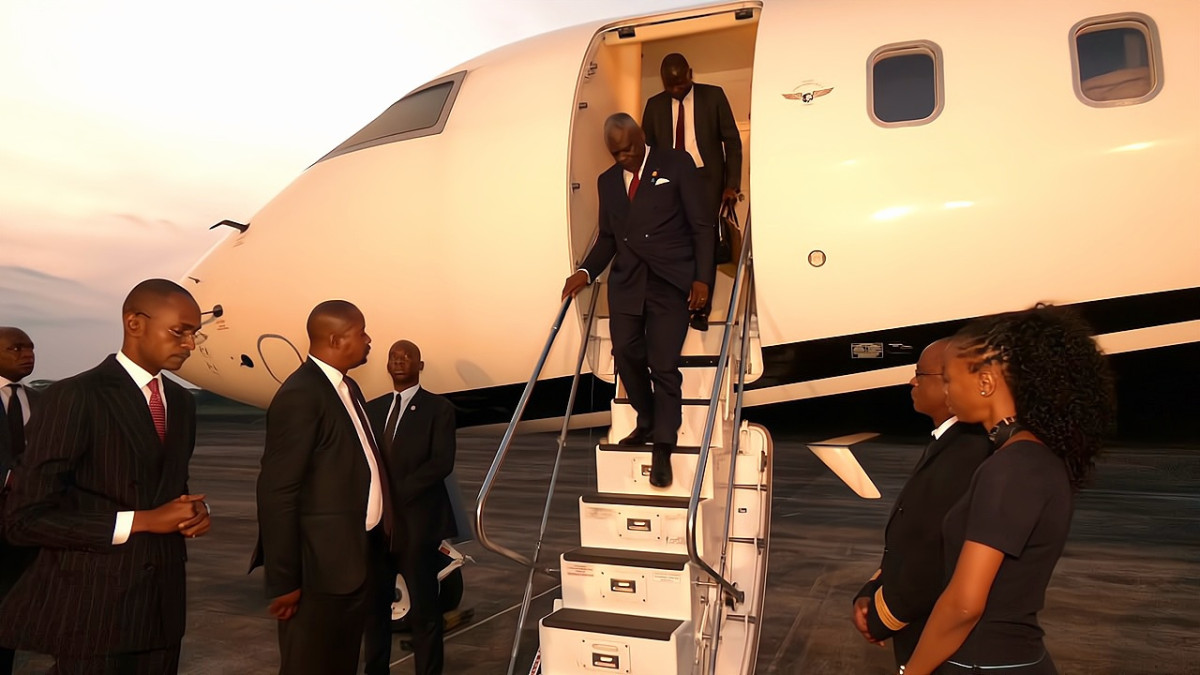
Burundi’s Vice-President Prosper Bazombanza was the first to land, followed by a Cameroonian delegation led by Prime Minister Joseph Dion Ngute, the Equatorial Guinea Press and Information Office said.
Sao Tome’s President Vila Nova was received by Equatorial Guinea’s Prime Minister Manuel Osa Nsue Nsua on behalf of President Teodoro Obiang Nguema Mbasogo. Deby was welcomed by a crowd of Chadians living in Equatorial Guinea, the office said. Oligui Nguema landed next, and the Republic of the Congo’s delegation, led by Prime Minister Anatole Collinet Makosso, arrived last.
The government said the leaders’ deliberations would take place on Friday in Sipopo, the conference resort outside Malabo, and that the arrivals confirmed Equatorial Guinea’s role as a meeting point for Central African diplomacy. It did not publish an agenda.
What is on the ECCAS summit’s table?
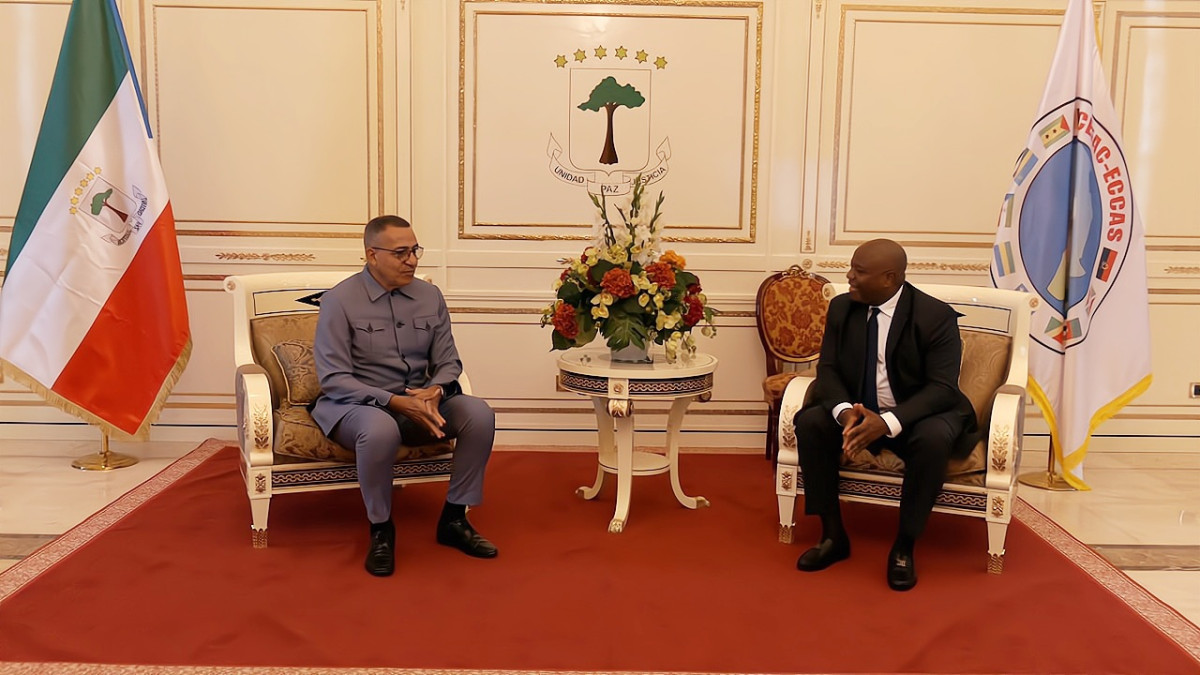
ECCAS leaders have spent the past two years on the bloc’s revised treaty, which turned its secretariat into a commission and widened its role in peace and security. At their last ordinary summit, also in Malabo, on 7 June 2025, they agreed to set up an annual review of regional integration, a common peace and security fund and an annual ECCAS economic forum from 2026, and extended Equatorial Guinea’s rotating presidency of the bloc.
That session also marked the end of the 2021-2025 medium-term strategic plan, leaving a new plan to be agreed. Gabonese outlets reported at the time that maritime security, the blue economy, humanitarian action and legal integration were among the texts on the leaders’ table.
Leaders held an extraordinary session by video conference on 24 January 2026, which Oligui Nguema attended, according to Gabonese reports.
Why does the ECCAS summit matter?
The ECCAS summit comes as several of its members are under strain. DR Congo is fighting the M23 in the east and the FRN, an armed movement led by former president Joseph Kabila, and Chad is hosting hundreds of thousands of refugees from Sudan’s war.
The bloc also lost a member in 2025. Rwanda announced its withdrawal on 8 June 2025, after the Malabo summit kept Equatorial Guinea in the chair instead of handing the rotating presidency to Kigali, a decision Rwanda linked to DR Congo’s opposition. The bloc now has 10 members. DNE Africa’s M23 conflict explainer sets out the dispute between Kinshasa and Kigali.
Several CEMAC states, which share the CFA franc and overlap with ECCAS, are also struggling with tight public finances, a theme raised by the CEMAC community parliament when it met in Malabo this month.
What happens next?
A final communique is expected after Friday’s closed session. DNE Africa will report the ECCAS summit’s decisions when they are published.
FAQ
Where is the ECCAS summit being held?
In Sipopo, the conference resort outside Malabo, Equatorial Guinea, on Friday, 27 November 2026.
Which leaders are attending the ECCAS summit?
Chad’s Mahamat Idriss Deby, Gabon’s Brice Clotaire Oligui Nguema and Sao Tome’s Carlos Vila Nova, with the prime ministers of Cameroon and the Republic of the Congo and Burundi’s vice-president, the host government said.
Who chairs ECCAS?
Equatorial Guinea, whose rotating presidency was extended at the June 2025 summit in Malabo.
Is Rwanda still a member of ECCAS?
No. Rwanda announced its withdrawal from the bloc in June 2025.


