
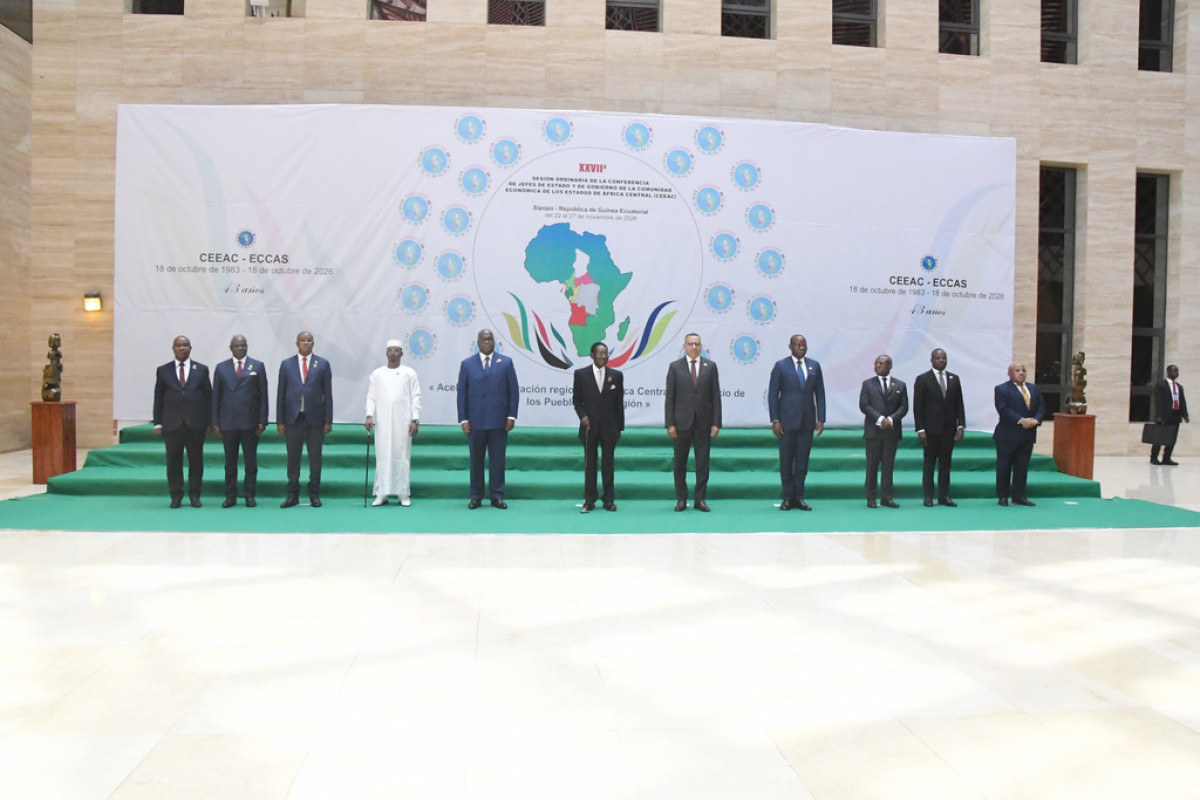

Central African leaders at the ECCAS summit in Malabo on Friday took up a 2026-2030 strategic plan budgeted at about 249.9bn CFA francs (€381mn), as Equatorial Guinea’s President Teodoro Obiang Nguema Mbasogo urged faster regional integration.
The plan sets the Economic Community of Central African States’ priorities for a common market, power links and maritime security at a time when the bloc is short of money, still handling Rwanda’s withdrawal and facing conflict in eastern DR Congo.
What did the ECCAS summit discuss?
The 27th ordinary session of ECCAS heads of state and government, held at Sipopo outside Malabo under the theme “Accelerating regional integration in Central Africa for the benefit of the region’s peoples”, focused on examining and approving decisions on the bloc’s Vision 2030 and its 2026-2030 strategic plan, Equatorial Guinea’s Press and Information Office said.
The plan’s budget is about 249.86bn CFA francs. Its pillars are a common market, energy interconnection, digital integration, community financing and institutional reform, maritime security, energy, health and borders, the office said.
Leaders also had before them documents validated by an intergovernmental committee of experts on 22-23 November: the Commission’s activity report for the first quarter of 2026, the rationalisation of Africa’s regional economic communities, progress in Rwanda’s withdrawal from ECCAS, and recommendations on defence and security, development planning, energy, health and justice.
ECCAS Commission president Ezéchiel Nibigira presented a report on the bloc’s results in recent years, and the Commission signed a memorandum with the Network of Rural Women’s Federations of Central Africa (RAFERS). A final communique had not been published by Friday evening.
What did Obiang tell the ECCAS summit?
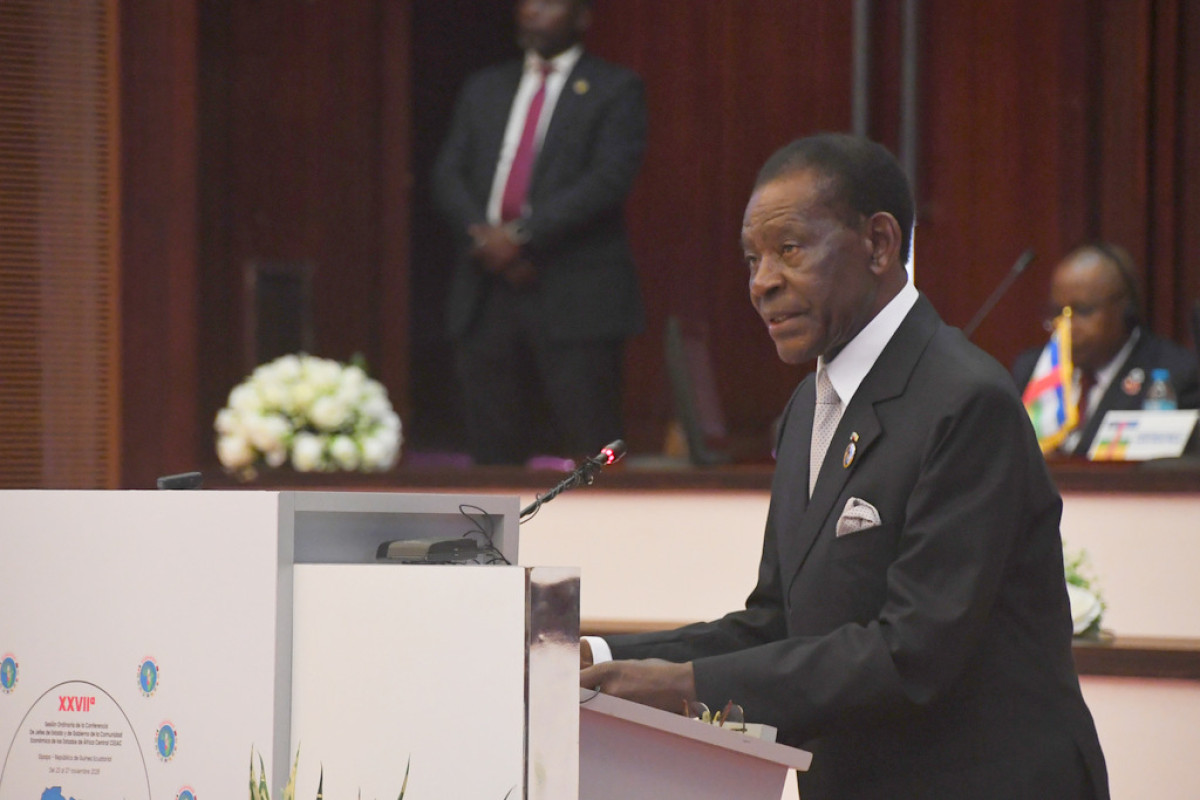
Obiang, who holds the bloc’s rotating chair, said the summit came at a time of geopolitical tension, armed conflict, economic uncertainty and climate change that put growing pressure on member states’ economies, his office said.
He named three security concerns: persistent insecurity in eastern DR Congo, terrorist threats around Lake Chad and maritime security in the Gulf of Guinea. Solidarity must take the form of sincere co-operation that respects sovereignty, territorial integrity and freely made commitments, he said. He stressed the financing of the community as a key issue and thanked his counterparts for their support during his term as chair.
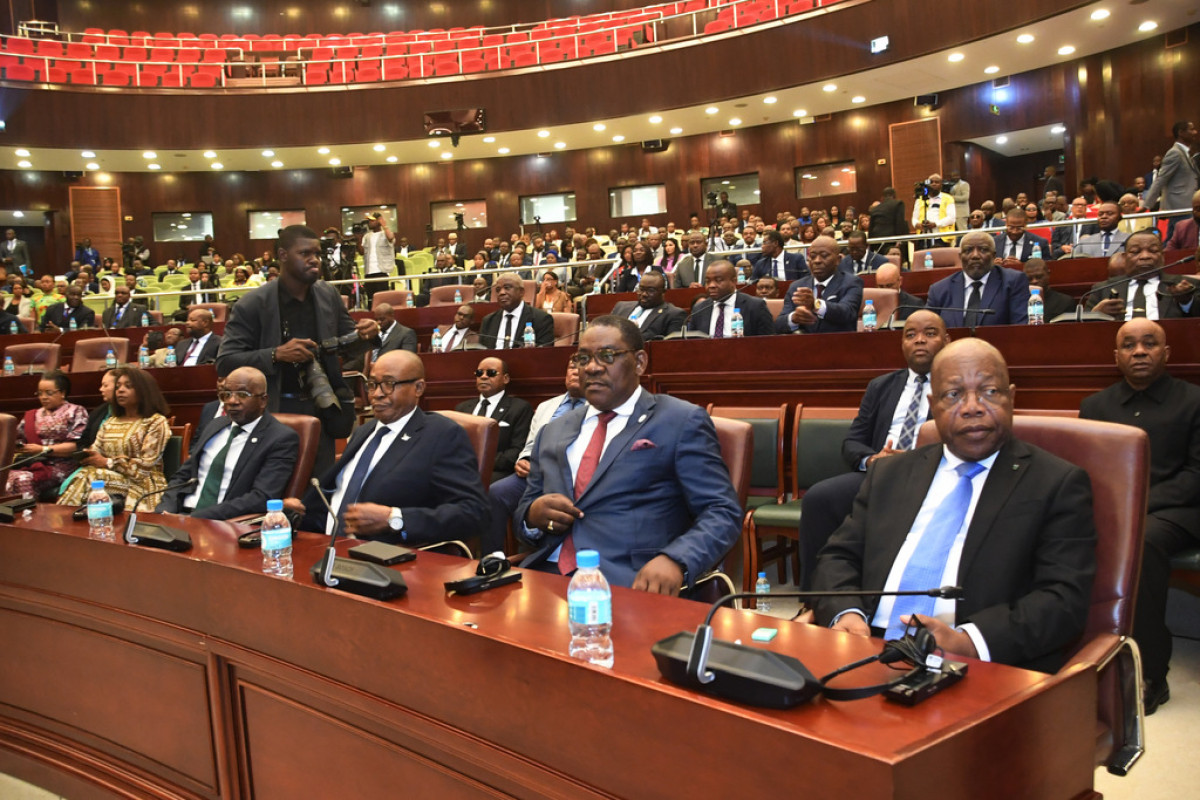
The heads of state of Gabon, Chad, DR Congo and São Tomé and Príncipe attended, along with Burundi’s vice-president and delegations from other members. Obiang congratulated São Tomé’s President Carlos Vila Nova on his re-election. The UN Secretary-General’s special representative for Central Africa praised recent elections in the region and called for solidarity on humanitarian issues.
Why does the ECCAS summit plan matter?
ECCAS has 10 members after Rwanda announced its withdrawal in June 2025, when the bloc kept Equatorial Guinea in the chair rather than hand it to Kigali amid Rwanda’s dispute with DR Congo.
Business leaders at the meeting asked for help for the private sector: Benjamín Evita Oma, interim president of the federation of ECCAS chambers of commerce, called on heads of state to support it. Malabo’s mayor, Quintiliano Obiang Nkulu, said integration must go beyond political agreements to concrete results for citizens.
Chad’s President Mahamat Idriss Deby and Gabon’s President Brice Clotaire Oligui Nguema arrived for the ECCAS summit on Thursday, as we reported. The summit’s decisions are due to be set out in a final communique.
FAQ
Where was the ECCAS summit held?
At Sipopo, outside Malabo, Equatorial Guinea, on Friday 27 November 2026, as the 27th ordinary session of ECCAS heads of state and government.
What is the ECCAS strategic plan 2026-2030?
It is the bloc’s programme for the next five years, budgeted at about 249.86bn CFA francs (€381mn), covering a common market, power links, digital integration, financing, maritime security, health and borders.
Which leaders attended the ECCAS summit?
The presidents of Equatorial Guinea, Gabon, Chad, DR Congo and São Tomé and Príncipe, and Burundi’s vice-president, with delegations from other member states.
Is Rwanda leaving ECCAS?
Yes. Rwanda announced its withdrawal in June 2025, and the summit reviewed progress in that process.


