
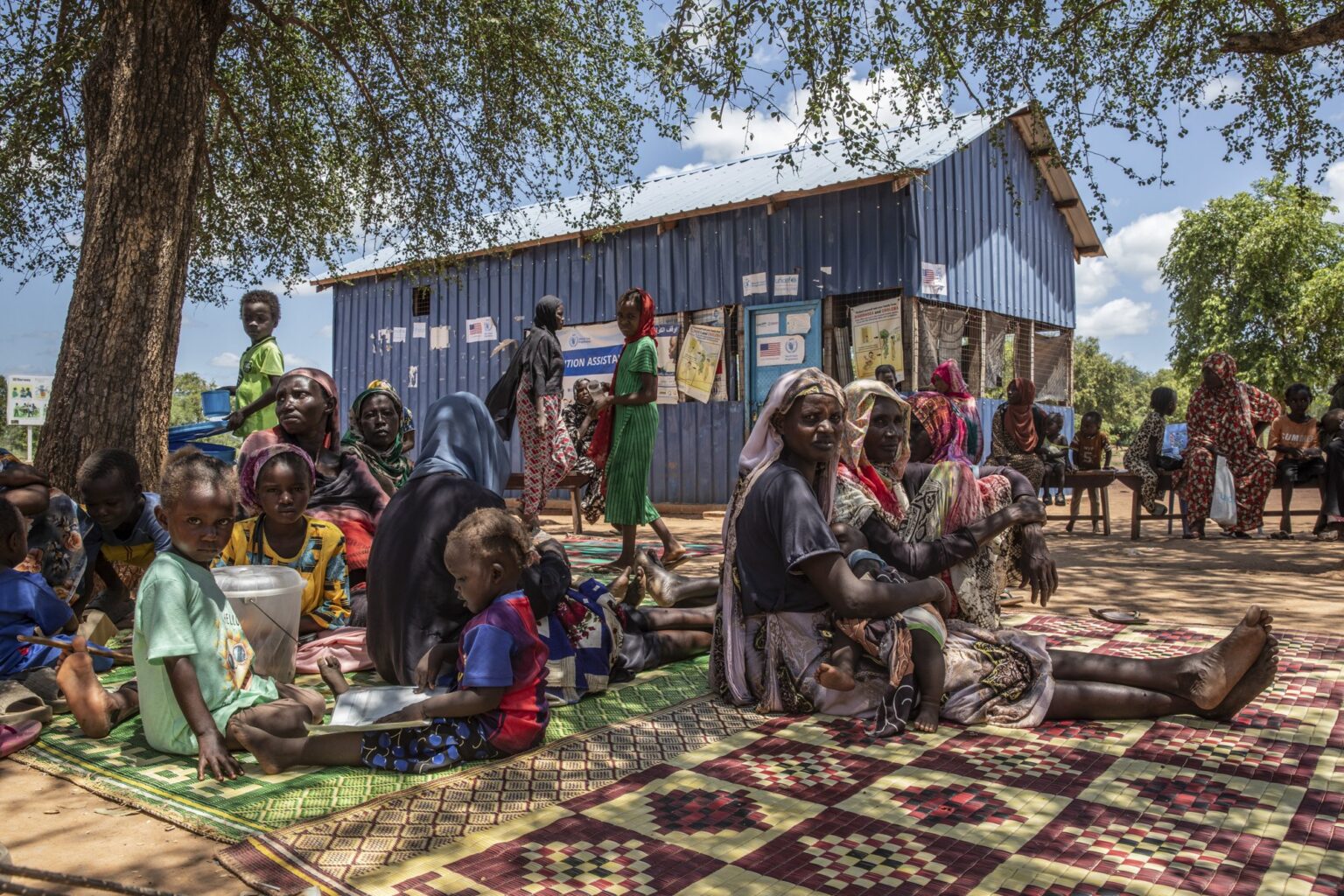

Ten of the 16 hunger hotspots where acute food insecurity is set to worsen between December 2026 and May 2027 are in Africa, the UN’s Food and Agriculture Organization (FAO) and World Food Programme (WFP) said on Friday.
The report adds five Southern African countries, Chad and northeastern Uganda to the list as El Niño strengthens, and warns of a risk of famine in parts of Sudan and South Sudan at a time when humanitarian funding for the worst-hit countries has fallen sharply.
Which African countries are hunger hotspots?
Sudan, South Sudan, Somalia and parts of Nigeria, with Yemen, are hotspots of “highest concern”, the agencies said in the latest Hunger Hotspots report, published twice a year through the Global Network Against Food Crises. The Democratic Republic of the Congo is of “very high concern”, alongside Afghanistan, Haiti and Palestine.
The other African hotspots are Chad, Madagascar, Mali, northeastern Uganda and a Southern Africa group of Eswatini, Malawi, Mozambique, Zambia and Zimbabwe. The list grew from 13 in June to 16; Lebanon dropped off.
Conflict and armed violence are a main driver in 12 of the 16 hunger hotspots, including all five of highest concern, the report said. Chad was added because of spillover from the war in neighbouring Sudan.
Where is famine a risk?
Under a reasonable worst-case scenario there is a risk of famine in 13 areas of North Darfur and South Kordofan in Sudan through January 2027, the agencies said, and acute malnutrition in two camps for displaced people in South Darfur has already exceeded famine thresholds. DNE Africa’s explainer on the war between Sudan’s army and the RSF militia sets out the background.
In South Sudan, the latest analysis found a risk of famine in four counties of Jonglei and Upper Nile states under a worst-case scenario, with 2.5 million people internally displaced as of October. In northern Nigeria, pockets of Borno State are in Catastrophe, the most severe phase, and 33.5 million people across 26 states and the Federal Capital Territory are projected to face Crisis or worse in June to August 2027, including 1.5 million in Emergency.
In Somalia the risk of famine has receded, but displaced people in Baidoa remain at Emergency levels, the report said.
How is El Niño changing the hunger hotspots map?
El Niño is gaining strength and could be one of the most intense on record, the agencies said. Drier, hotter conditions threaten planting and harvests across Southern Africa, where up to 3 million people in Zimbabwe, 2.6 million in Malawi and 1.8 million in Mozambique are projected to face high levels of acute food insecurity through March 2027. DNE Africa reported on Wednesday a regional estimate that acute hunger in East and Southern Africa could reach 16.4 million.
In Uganda’s Karamoja region, rainfall deficits from June to September hurt crops and pasture, and staple prices were 15 to 25 percent above a year earlier in September, the report said. Uganda’s cabinet has cleared a food reserves bill for parliament. A joint FAO-WFP anticipatory action plan aims to protect 9 million people in 22 countries before El Niño’s worst effects arrive.
Why does funding matter?
Humanitarian funding for food security and nutrition in the five hotspots of highest concern fell by 62 percent, from $5.1bn in 2022 to $2.0bn in 2025, even though all five have repeatedly been at that level since 2022, the agencies said.
“El Niño is intensifying, threatening crops and harvests in already vulnerable regions,” said Qu Dongyu, FAO’s director-general, adding that “the worst outcomes are not inevitable”. Luke Lindberg, WFP’s executive director, said it was “a question of whether world leaders have the political courage to act decisively”.
FAQ
How many hunger hotspots are in Africa?
Ten of the 16 hotspots named for December 2026 to May 2027 are in Africa, counting the five Southern African countries as one regional hotspot.
Which hunger hotspots are of highest concern?
Sudan, South Sudan, Somalia, parts of Nigeria and Yemen.
Where is there a risk of famine?
In 13 areas of North Darfur and South Kordofan in Sudan, and in four counties of Jonglei and Upper Nile in South Sudan, under worst-case scenarios.
What is the Hunger Hotspots report?
A twice-yearly early warning by FAO and WFP on where acute food insecurity is likely to worsen over the next six months.


