

Blue Nile displacement in Sudan has more than doubled in six weeks to 257,020 people, the International Organization for Migration (IOM) said on Sunday, as fighting between Sudan’s army and the RSF militia spread across the south-eastern state.
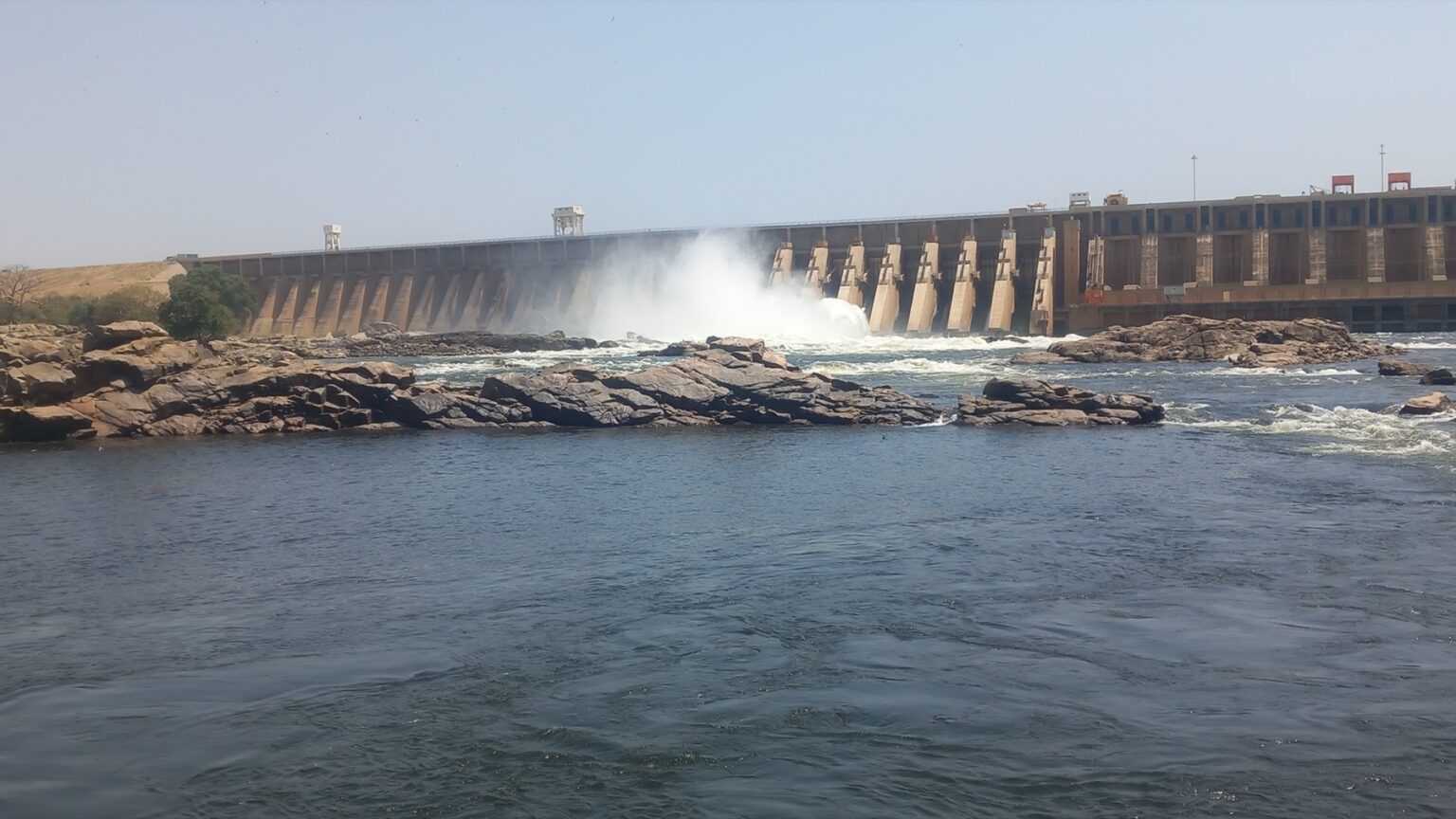
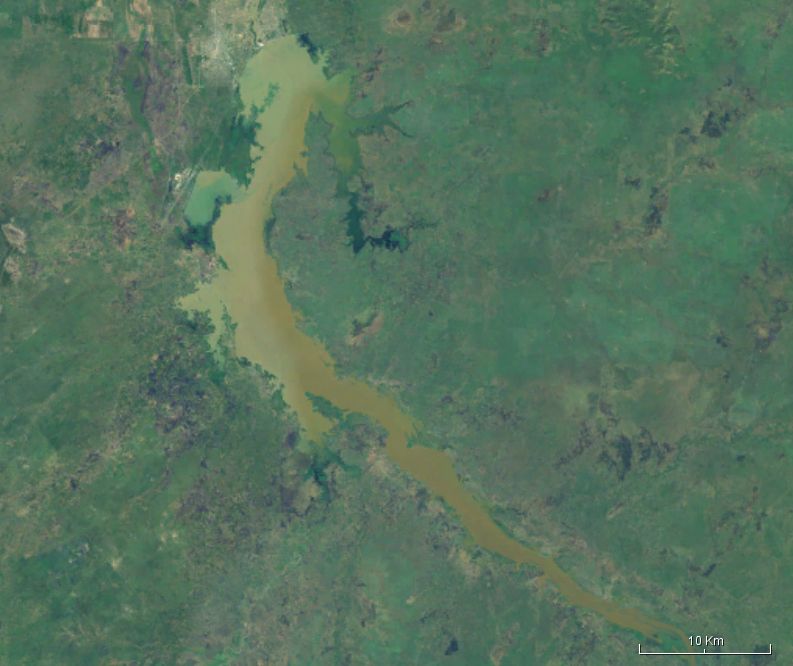
The figure, up from 119,782 in mid-October, marks a sharp acceleration in a state that had largely escaped the war, and puts new pressure on Ed Damazin and Roseires, the towns beside the Roseires dam, a major source of Sudan’s hydropower.
What did the IOM say about Blue Nile displacement?
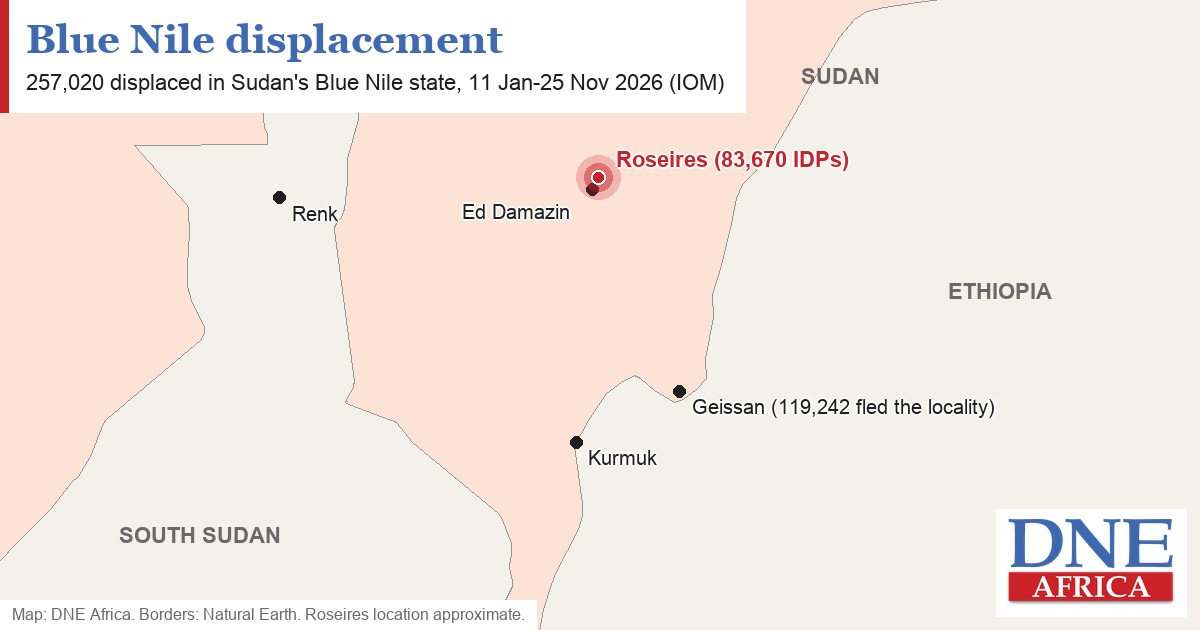
In a flash alert published on 29 November, the IOM’s Displacement Tracking Matrix (DTM) said an estimated 257,020 people, or 52,141 households, had been displaced by insecurity in Blue Nile state between 11 January and 25 November 2026.
That level of Blue Nile displacement is more than double the 119,782 people the agency recorded on 15 October. Its field teams have now recorded people fleeing from ten localities of origin, against four in October, the IOM said.
Nearly all of the Blue Nile displacement came from seven localities in the state. Geissan accounted for 119,242 people and Bau for 73,453, followed by Wad al-Mahi (29,530), Kurmuk (29,455), Al-Tadamon (2,743), Ed Damazin (2,397) and Roseires (108).
Where have the displaced gone?
Most of the people uprooted by the Blue Nile displacement have stayed inside the state. Roseires locality hosts the largest group, 83,670 people, followed by Bau (53,077), Ed Damazin (52,715), Wad al-Mahi (29,960) and Geissan (28,370), according to the IOM. Smaller numbers are in Kurmuk (1,250) and Al-Tadamon (985).
About 7,000 people have left Blue Nile altogether, the agency said, a small share of the Blue Nile displacement: 5,635 for White Nile state, 964 for Sennar, 330 for Al-Jazira and 64 for Gedaref.
Why has the fighting spread in Blue Nile?
The Blue Nile displacement follows a widening front. The state, which borders Ethiopia and South Sudan, was largely spared the first two years of the war that began in April 2023. That changed this year as the RSF militia and the Sudan People’s Liberation Movement-North (SPLM-N) led by Abdelaziz al-Hilu pushed in from the border areas.
The alliance has said in recent weeks that it took Kurmuk and Geissan, the headquarters of Bau locality and several villages south of Ed Damazin, and it has struck Ed Damazin with drones, Sudan Tribune reported. Sudan’s army disputes several of the claims. Its 4th Infantry Division said on 27 November that it had retaken Khor Maganza, about 30km south of Ed Damazin. Neither side’s account of the front line could be independently verified.
Army chief Abdel Fattah al-Burhan said on Saturday that most of Sudan’s neighbours were taking part in the fighting and that the RSF militia was striking Sudan from Libya, Ethiopia, Chad and South Sudan, an accusation those governments have denied in the past. DNE Africa reported his remarks here.
How does Blue Nile compare with the rest of Sudan?
Blue Nile displacement is still small beside the national total. The IOM’s latest nationwide snapshot, covering October, counted 8,594,507 internally displaced people across all 18 states, most of them in South, North and Central Darfur. It also recorded 5,395,491 people who had returned home, mainly to Khartoum and Al-Jazira.
The pace of Blue Nile displacement stands out, however: the number displaced there has doubled in about six weeks while the national figure barely moved, up by less than 1% in October, according to the IOM. For background on the parties and the course of the war, see DNE Africa’s Sudan war explainer.
What happens next?
The IOM said it will continue to track the Blue Nile displacement through its early warning flash alerts. Fighting around Ed Damazin, where much of the uprooted population is now concentrated, is the main risk: a further advance would bring the state capital and the Roseires dam within reach of the RSF militia and its allies.
FAQ
How many people have been displaced in Sudan’s Blue Nile state?
The IOM said on 29 November that an estimated 257,020 people, or 52,141 households, were displaced by insecurity in Blue Nile between 11 January and 25 November 2026.
How fast is Blue Nile displacement growing?
The figure more than doubled from 119,782 on 15 October, and people are now fleeing from ten localities, against four in October, according to the IOM.
Where are most displaced people in Blue Nile staying?
Most remain in the state, mainly in Roseires (83,670), Bau (53,077) and Ed Damazin (52,715). About 7,000 have moved to White Nile, Sennar, Al-Jazira and Gedaref states.
Who is fighting in Blue Nile?
Sudan’s army is fighting the RSF militia and its ally, the SPLM-N faction led by Abdelaziz al-Hilu, which have advanced from areas near the Ethiopian border towards Ed Damazin.


