
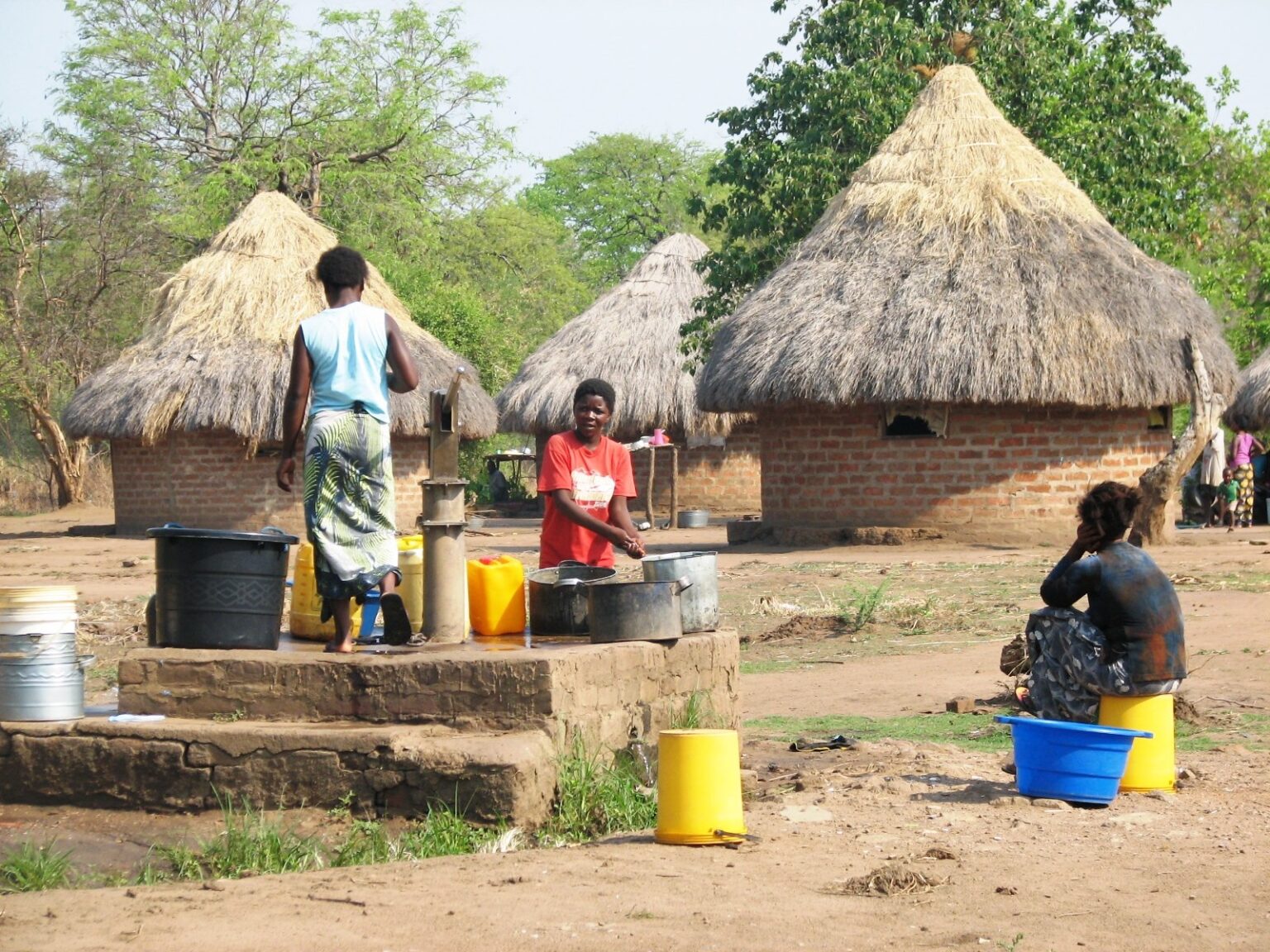

Only four of the 11 Zambia drilling rigs run by the water ministry are working, and the ministry wants MPs to use constituency funds to buy more, the Ministry of Water Development and Sanitation said.
The shortage of Zambia drilling rigs limits how fast the government can sink boreholes in rural areas, and the proposal would shift part of the cost to the Constituency Development Fund (CDF), which pays K40mn a year to each of the country’s 156 constituencies.
How many Zambia drilling rigs work?
The ministry has 11 rigs serving Zambia’s 10 provinces, of which seven are out of service, the minister told members of parliament at a meeting on the problems facing the water sector, according to a statement from the Ministry of Water Development and Sanitation. The shortfall limits the ministry’s response to demand for boreholes and to water emergencies, the minister said.
The government proposes that constituencies buy Zambia drilling rigs through the CDF, with a long-term aim of at least one rig per constituency, subject to financing, procurement and regulatory rules. Neighbouring constituencies whose allocations are too small could pool funds, the ministry said. It would set technical specifications and oversee operations, with provision for trained operators, fuel, transport, maintenance and spare parts.
What else did the ministry ask MPs for?
The minister asked MPs to set aside a fixed share of CDF money for water supply, sanitation and hygiene (WASH), to give the sector predictable funding at constituency level. Sanitation lags behind water supply, the ministry said, and poor sanitation and hygiene raise the risk of contaminated water and diseases such as cholera.
Besides buying Zambia drilling rigs, the government is also collecting data on villages without boreholes or piped water schemes, including those whose facilities have broken down, to guide planning and budgets down to constituency level, the statement said.
Why are Zambia’s water utilities short of money?
Producing 1,000 litres of water costs about K19, while the same amount sells for about K7.90, leaving a gap of about K11.10, according to figures presented to the ministry. Commercial utilities also face high debts, rising electricity costs, salary arrears and the loss of skilled staff, the minister said. The government called for tariff reform, better efficiency and revenue collection, targeted state support and protection for poor households.
How much money does the CDF have?
Finance minister Situmbeko Musokotwane raised the fund to K6.2bn in the 2026 budget, or K40mn per constituency from K36.1mn, he told parliament in his budget speech on 26 September 2025. Since 2022 the CDF has paid for 1,941 boreholes, 531 water schemes and 228 ablution blocks, besides classrooms and desks, he said.
The new proposal on Zambia drilling rigs would add equipment purchases to that list. The ministry stressed accountability and monitoring so that CDF spending turns into working infrastructure. About 27% of Zambian households lack basic water services, according to UNICEF, citing the WHO/UNICEF Joint Monitoring Programme.
Zambia has been hit by drought and cholera in recent years; DNE Africa’s coverage of Africa’s hunger hotspots sets out the wider pressure on water and food in the region.
FAQ
How many Zambia drilling rigs are working?
Four of the water ministry’s 11 rigs are working; seven are out of service, the ministry said.
What is the Constituency Development Fund?
It is a fund that gives each of Zambia’s 156 constituencies money for local projects. The 2026 budget set it at K40mn per constituency, K6.2bn in total.
What does the ministry want MPs to do?
Use CDF money to buy Zambia drilling rigs, with a long-term aim of one per constituency, and reserve a share of the fund for water, sanitation and hygiene.
Why do Zambia’s water utilities lose money?
Water costs about K19 per 1,000 litres to produce but sells for about K7.90, according to figures presented to the ministry.


