
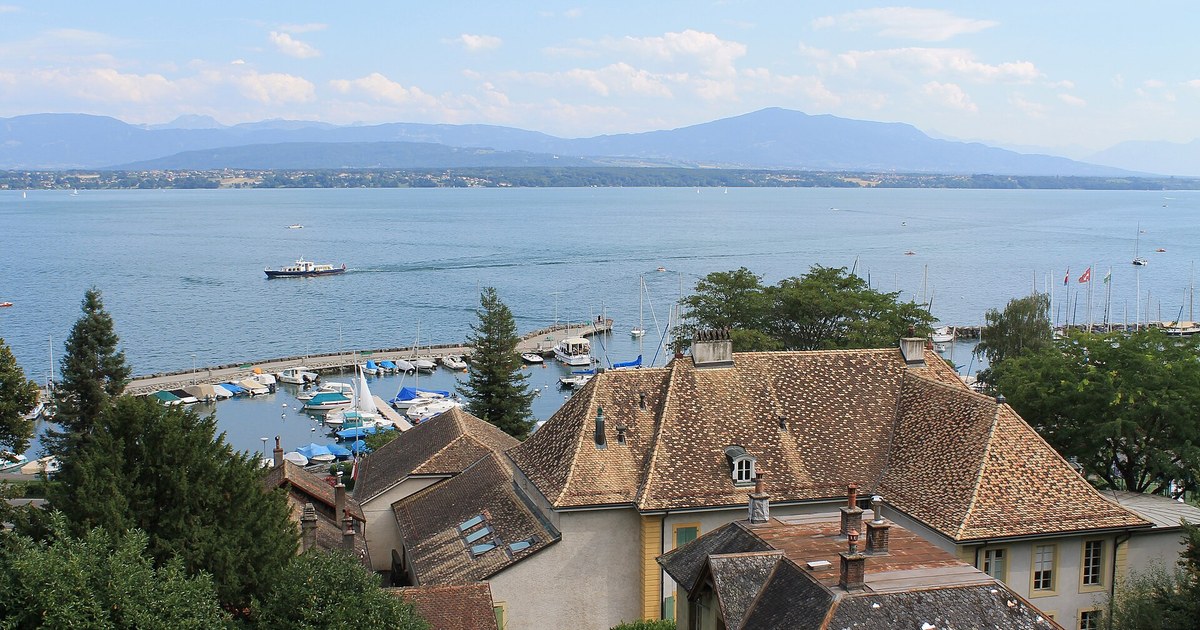

Sudanese political and civilian groups meeting in Nyon, Switzerland, called on 28 November for a Sudan truce that leads to a permanent ceasefire, and for the security and political tracks of peace efforts to be merged into one process.
The call matters because the two tracks have so far run separately: the Quad of the US, Saudi Arabia, the UAE and Egypt leads on a truce, while a group of five international bodies known as the Quintet backs a political process. The participants said a truce must not become a route to Sudan’s partition.
What did the Nyon talks agree on a Sudan truce?
In a closing statement, the participants said the meeting discussed the spread of the war between Sudan’s army and the Rapid Support Forces (RSF) militia, the growing use of drones against civilians, markets and infrastructure, and the worsening risk of famine.
They urged a swift Sudan truce that would lead to “a comprehensive and lasting ceasefire”, and stressed Sudan’s unity, sovereignty and territorial integrity. The war, they said, is an extension of accumulated political crises, and ending it requires dealing with the roots of the conflict so that the country does not slide towards division.
The groups said they exchanged ideas with representatives of the Quad and the Quintet, and with envoys of the UK and Norway. They agreed to work on a mechanism linking the two tracks in “an integrated process” that would lead to administrative arrangements preserving the country’s unity, restore basic services and bring back civilian life, the statement said.
The statement also called on international and regional organisations to meet their commitments to Sudanese civilians, provide urgent humanitarian support and ease aid access, and it urged political groups to reject hate speech.
Who is behind the Nyon process and who stayed away?
The Nyon process is an informal track meant to build trust among Sudanese political forces and find common ground on a political path that could support efforts to end the war. Promediation runs it with the backing of the Swiss Federal Department of Foreign Affairs. Neither had published a statement on the seventh round by the time of writing.
The round brought together groups that are often at odds. The Democratic Bloc includes forces aligned with the army-backed government, while Sumoud, led by former prime minister Abdalla Hamdok, presents itself as an anti-war civilian coalition.
Not every invited group took part. As DNE Africa reported on 17 November, Arman’s movement declined to attend in protest at what it called Promediation’s efforts to unite Islamist forces, which it holds partly responsible for the war. It said its absence was not a rejection of dialogue and called for a single professional national army and the dissolution of all parallel armed formations.
Can a Sudan truce gain traction with the army and the RSF militia?
Neither Sudan’s army nor the RSF militia took part in Nyon, and the groups there have no authority over the fighting. The talks therefore test whether civilian forces can agree a common position, rather than produce a ceasefire.
The positions of the armed parties remain far apart. On the same day the Nyon meeting ended, Lieutenant General Abdel Fattah al-Burhan, head of the Sovereignty Council and army commander, said the army would not lay down its weapons before the RSF militia was defeated, and accused most of Sudan’s neighbours of taking part in the fighting, as DNE Africa reported. Sudan’s government also rejected an Ethiopian offer this week to host a Sudanese dialogue.
The Quad proposed in September 2025 a three-month humanitarian truce followed by a permanent ceasefire and a civilian-led transition. Burhan rejected that plan in November 2025, citing the UAE’s role; the UAE says it is not a party to the conflict and denies arming the RSF militia. Our Sudan war explainer sets out the parties, the mediation efforts and the human cost.
What happens next?
The participants said they would keep working on the co-ordination mechanism between the Quad and the Quintet and on contacts among Sudanese political and civilian forces to agree a national vision. No date was announced for an eighth round. Any Sudan truce still depends on the army and the RSF militia, and on the mediators who speak to them directly.
FAQ
What is the Nyon process?
It is an informal series of consultations among Sudanese political and civilian groups, facilitated by Promediation with Swiss foreign ministry support, aimed at building trust and a shared political vision to help end the war.
What did the Nyon talks say about a Sudan truce?
Participants called on 28 November for a swift Sudan truce leading to a comprehensive and lasting ceasefire, and said a truce must not open the way to Sudan’s partition.
What are the Quad and the Quintet?
The Quad is the US, Saudi Arabia, the UAE and Egypt, which lead efforts on a truce. The Quintet is a group of five international organisations backing a Sudanese political process. The Nyon participants want the two tracks linked.
Did Sudan’s army and the RSF militia attend?
No. The Nyon process involves political and civilian groups only, so any Sudan truce would still need the agreement of the army and the RSF militia.


