
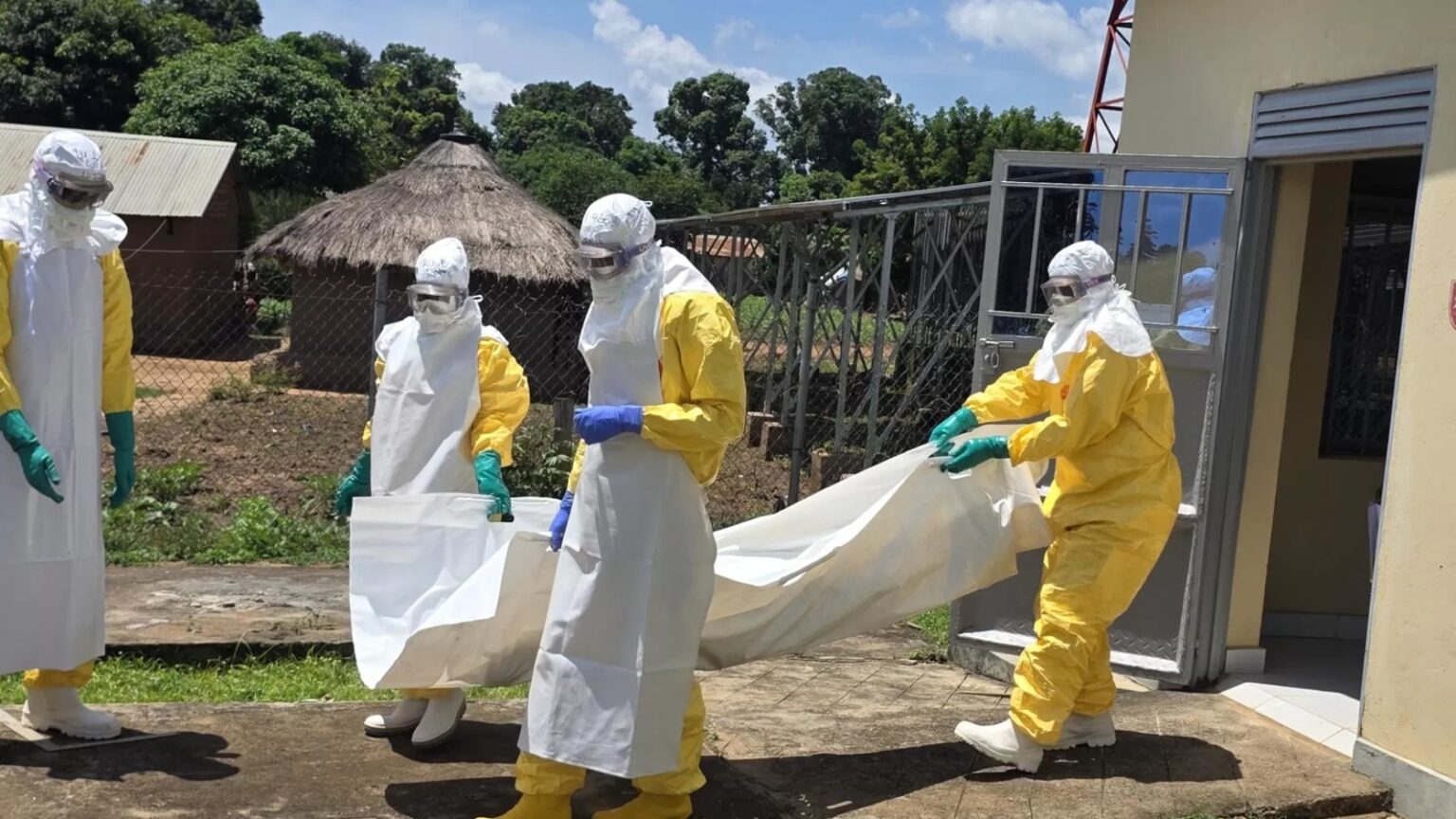

South Sudan Ebola preparedness will get a three-month, $7mn plan to close gaps in ambulances, laboratories and border screening, the UN humanitarian coordinator for the country, Ramanathan Balakrishnan, said on 18 November.
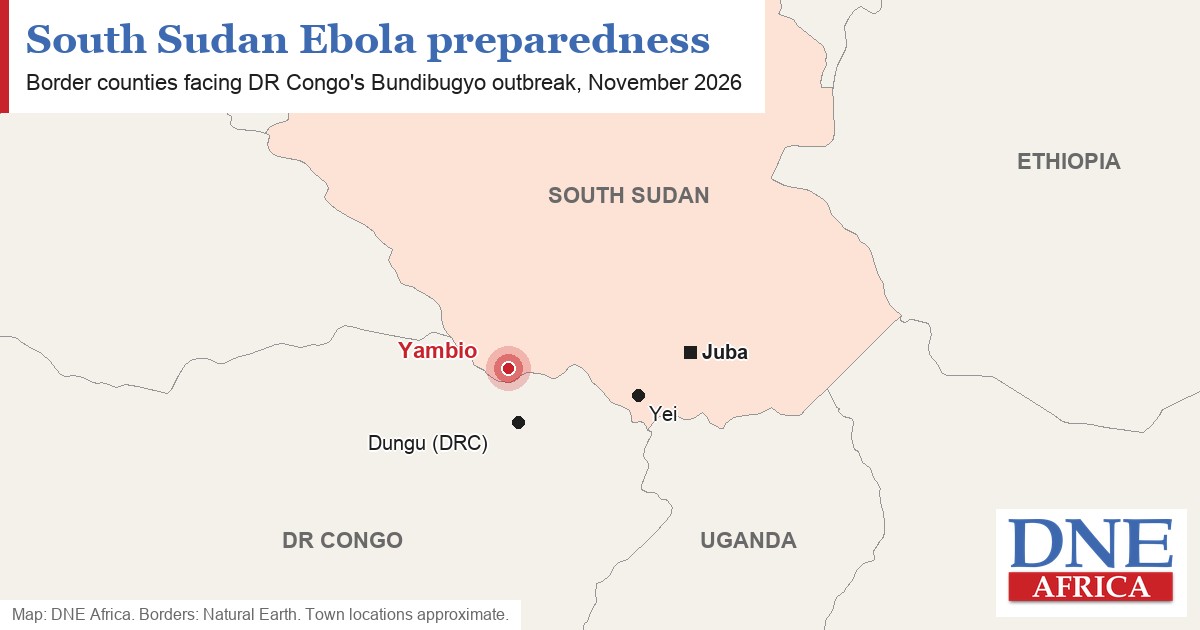
The plan matters because South Sudan, one of the world’s poorest countries with a fragile health system, borders the Democratic Republic of Congo, where an Ebola outbreak has passed 11,000 cases, and thousands of people have crossed the frontier since July.
What does the South Sudan Ebola plan cover?
Mr Balakrishnan launched the plan on 17 November to fix weaknesses found in a simulation exercise run last month by the government, the World Health Organization and partners, according to a statement from the UN Office for the Coordination of Humanitarian Affairs (OCHA). He called for urgent action to strengthen the country’s readiness.
The gaps identified in the drill include inadequate ambulance services and laboratory capacity, shortages of personal protective equipment, and weaknesses in contact tracing and in screening at points of entry, OCHA said. The $7mn plan is meant to address them over three months.
The new money comes on top of $6mn that Tom Fletcher, the UN emergency relief coordinator, allocated to South Sudan in June from the Central Emergency Response Fund. That allocation was for disease surveillance, testing, community engagement and wider access to healthcare, OCHA said.
Has South Sudan recorded any Ebola cases?
No. There is still no confirmed South Sudan Ebola case, but the risk remains because of the outbreak in neighbouring Congo and the constant movement of people across the border, OCHA said. More than 5,000 people have crossed from Congo into the border town of Nabanga since mid-July, reportedly to flee the outbreak, it added.
The South Sudan Ebola risk has been rising for months. In a report last week, the WHO said it had raised its estimate of the chance that the virus would be imported to 99 per cent in October, from 67 per cent in June, and that a national drill showed the country could detect the Bundibugyo strain but could not yet contain it safely (see our report). National readiness stood at 72.5 per cent at the end of October, according to the WHO.
The outbreak in Congo is caused by Bundibugyo virus, a species of Ebola for which there is no licensed vaccine. Attacks on health workers and insecurity in eastern Congo have complicated the response there (read more), and the outbreak reached six months this month with about 400 new cases a week (read more).
Why is South Sudan Ebola preparedness hard?
South Sudan’s western and southern border with Congo and Uganda is long and porous, with cross-border trade, refugee movements and transport corridors running through Western and Central Equatoria. Health services in the region depend heavily on aid agencies, and humanitarian budgets have been cut this year.
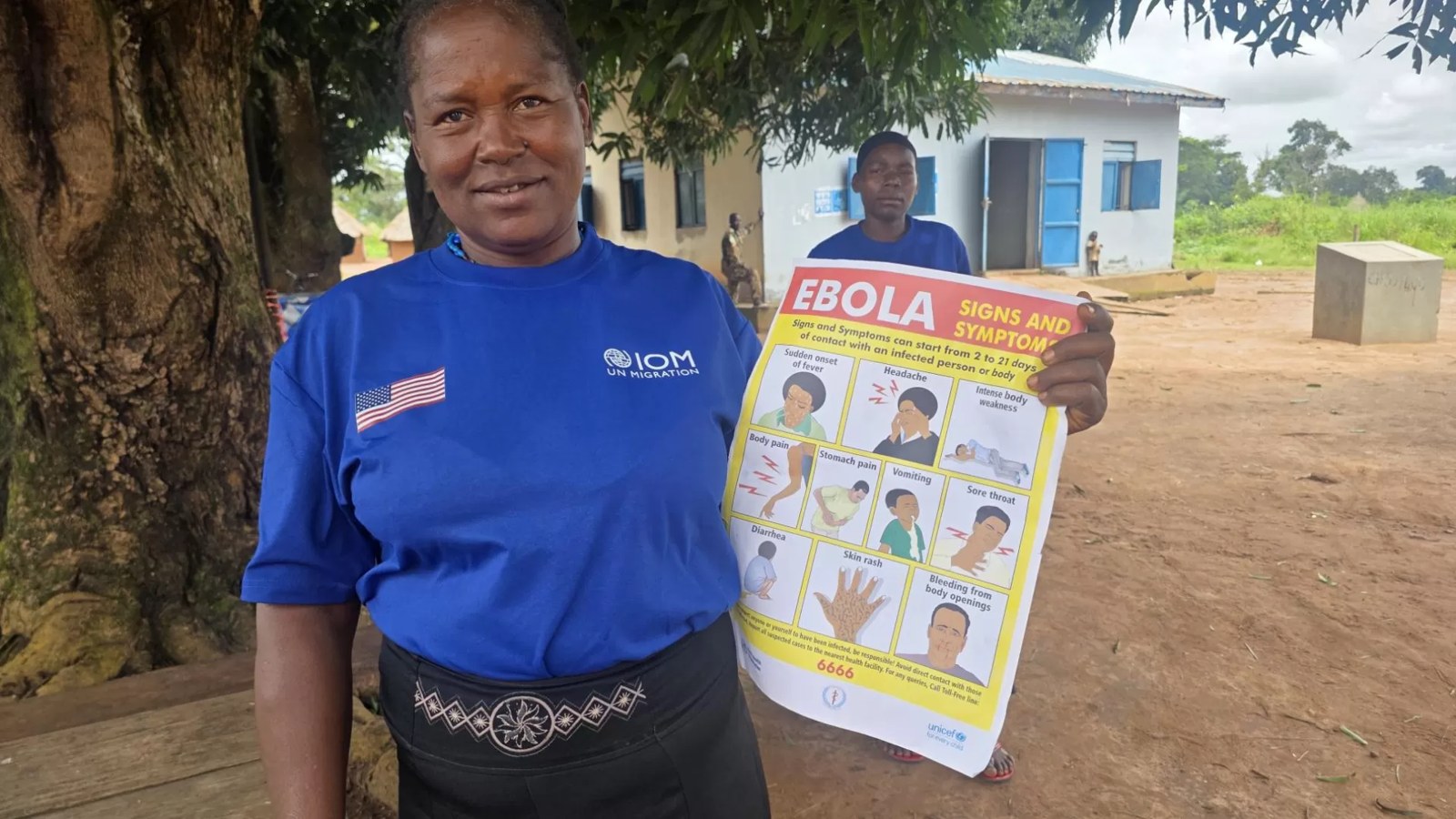
Health workers in 15 priority counties were trained in Ebola case management between May and October, and temporary infectious disease units were set up in eight of them, the WHO has said. The new South Sudan Ebola plan aims to fill the remaining gaps in transport, testing and protective equipment before any case is confirmed.
FAQ
How much is the new South Sudan Ebola plan?
It costs $7mn and runs for three months, according to the UN humanitarian coordinator, Ramanathan Balakrishnan, who launched it on 17 November.
Does South Sudan have Ebola cases?
No. South Sudan has not reported any cases, but the UN says the risk is high because of the outbreak in neighbouring Congo.
What gaps does the South Sudan Ebola plan address?
Ambulance services, laboratory capacity, protective equipment, contact tracing and screening at border entry points, all identified in a simulation exercise in October.
What other funding has the UN given?
The UN’s Central Emergency Response Fund allocated $6mn in June for surveillance, testing, community engagement and access to healthcare.


