
By using this site, you agree to the Privacy Policy and Terms of Use.
Accept
DNE Africa
  • Home
  • Politics
    Niger
    Business

    WB Group Vice President Visits Togo, Niger to Advance Development Partnerships

    By Ahmed Emam 1 Min Read
    Ethiopian Airlines Boeing 787 at a gate; the Ethiopian Airlines board has a new chairman
    Business

    Ethiopian Airlines board: ruling-party deputy Adem Farah named chair

    By DNE Africa November 16, 2026
    AFCON 2027 qualifiers: Ghana captain Jordan Ayew celebrates his penalty against Somalia in Sekondi with teammates
    Sports

    AFCON 2027 qualifiers: Cameroon and Senegal close in on finals

    By DNE Africa November 16, 2026
  • Business
    ECREEE donors meeting: ECOWAS commissioners and development partners at the opening ceremony in Cotonou, Benin
    Business

    ECREEE donors pledge continued support at Cotonou meeting

    Partners of the ECOWAS clean-energy centre want faster hiring, better procurement and…

    By DNE Africa 4 Min Read
    AfDB President in Japan
    BusinessWorld
    AfDB President Highlights Africa-Japan Partnership in Tokyo
    Storage tank and gas flare at Libya's Sharara oil field; the IEA report tracks Nigeria oil output and other African OPEC+ producers
    Business
    Nigeria oil output slips in October as crude prices fall, IEA says
    South Africa-Uganda trade mission to take 17 firms to Uganda
    Business
    South Africa-Uganda trade mission to take 17 firms to Uganda
    Gulf of Suez wind farm: wind turbines on desert ground on Egypt's Red Sea coast
    Business
    Gulf of Suez wind farm: ENGIE reaches financial close on 900MW
  • Culture
  • Opinion
  • Technology
  • Sports
  • World
  • My Bookmarks
Reading: Africa lags on health and climate change readiness, WHO says
Sign In
  • Join US
DNE AfricaDNE Africa
Font ResizerAa
  • Home
  • Politics
  • Business
  • Culture
  • Opinion
  • Technology
  • Sports
  • World
  • My Bookmarks
Search
  • Home
  • Politics
  • Business
  • Culture
  • Opinion
  • Technology
  • Sports
  • World
  • My Bookmarks
Have an existing account? Sign In
Follow US
© Foxiz News Network. Ruby Design Company. All Rights Reserved.
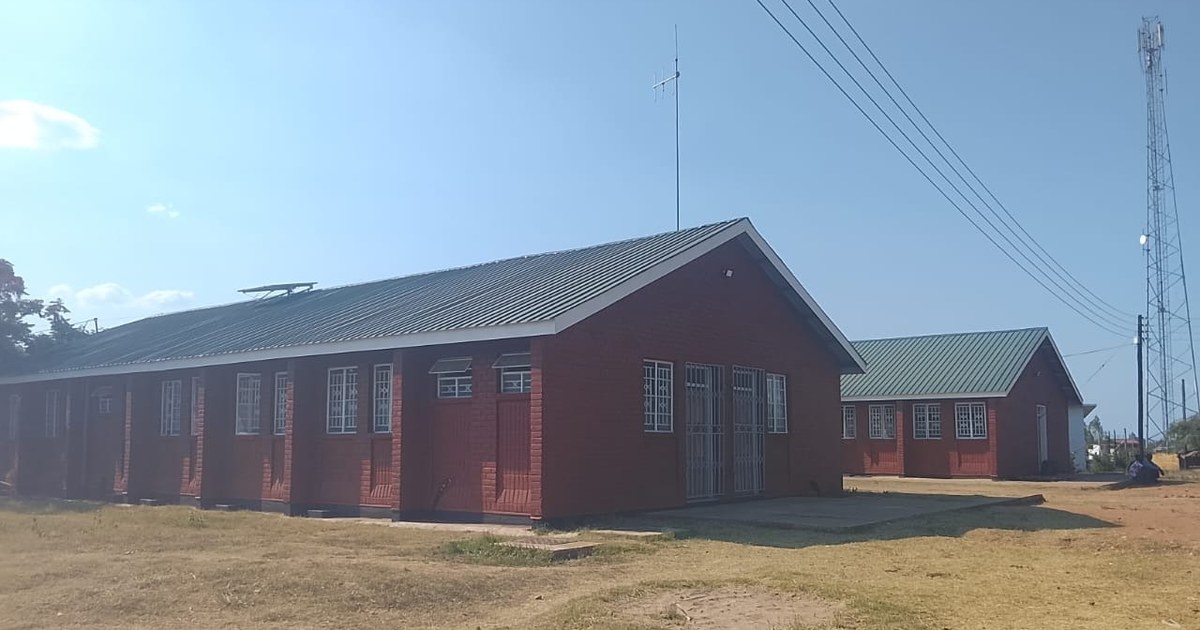
Likangala Health Centre, a government clinic in Zomba District, Malawi, one of 40 African Region countries in the WHO health and climate change survey

Africa lags on health and climate change readiness, WHO says

DNE Africa
Last updated: November 16, 2026 1:02 pm
By DNE Africa 8 Min Read
Share
File photo (2026): Likangala Health Centre, a government-run clinic in Zomba District, Malawi. Photo: GJU_Malawi / Wikimedia Commons, CC BY 4.0
SHARE

African health ministries are the least likely to have trained staff on health and climate change or written climate risks into disaster plans, according to a World Health Organization survey of 146 countries published on 13 November.

Contents
What did the WHO health and climate change survey find for Africa?Which climate health risks do African countries rank highest?Why is health and climate change planning not turning into action?What happens next?FAQWhat is the WHO health and climate change survey?How many African countries took part?Where does Africa lag on health and climate change?What is the biggest barrier?

The findings matter because the same countries list the heaviest climate-linked health burdens, from malaria and cholera to malnutrition, while most say they have little or no money to act on the plans they have drawn up.

What did the WHO health and climate change survey find for Africa?

The 2025 WHO Health and Climate Change Global Survey report draws on self-reported data from health authorities in 146 countries, up from 95 in 2021. Forty countries in WHO’s African Region took part, 85% of the region, along with Egypt, Morocco, Somalia, Sudan and Tunisia, which WHO counts in its Eastern Mediterranean Region.

Some 58% of African Region countries said ministry of health staff had received any training on health and climate change in the past two years, the lowest share of any region. The global figure was 64% and the highest, in South-East Asia, was 89%.

Coverage was also thin where training happened. In almost 60% of countries that trained staff, 10% or fewer of ministry personnel had been reached, WHO said. Only 33% of low-income countries reported any training at all.
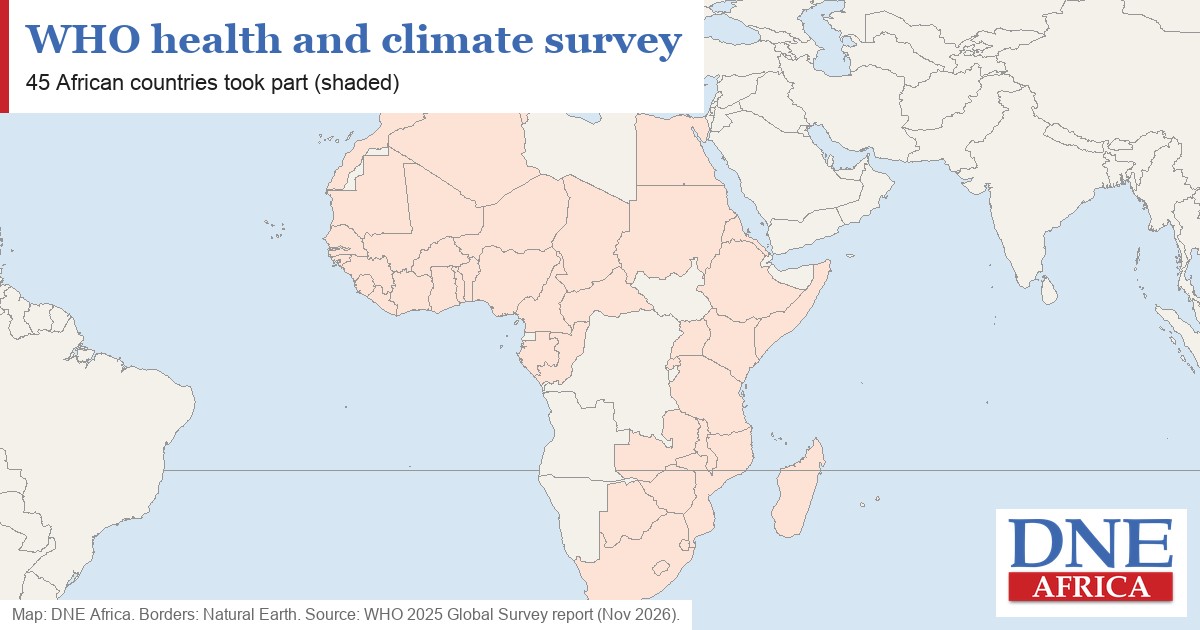
Map of Africa showing the 45 countries that took part in the WHO health and climate change survey
Map: DNE Africa

On emergencies, 38% of African Region countries said their ministry of health disaster risk reduction plan included climate-related preparedness, again the lowest regional share, against 46% globally. Only 23% had assessed at least one public health facility for climate resilience, below the global 30%; Europe reported 13%.

Where countries had completed a vulnerability and adaptation assessment since 2020, 58% of those in the African Region said the ministry had formally endorsed it, compared with more than 70% overall.

Which climate health risks do African countries rank highest?

African Region respondents flagged vector-borne diseases such as malaria and dengue most often, at 95%, followed by waterborne diseases at 85%. Noncommunicable diseases and malnutrition were each cited by 80%, heat-related illness by 78% and mental health by 75%.

Malnutrition stands out. Every low-income country in the survey named it a priority, against 16% of high-income countries, WHO said. Earlier research has linked warming to wider malaria transmission, including a study warning that climate change could add over 120mn malaria cases in Africa by 2050.
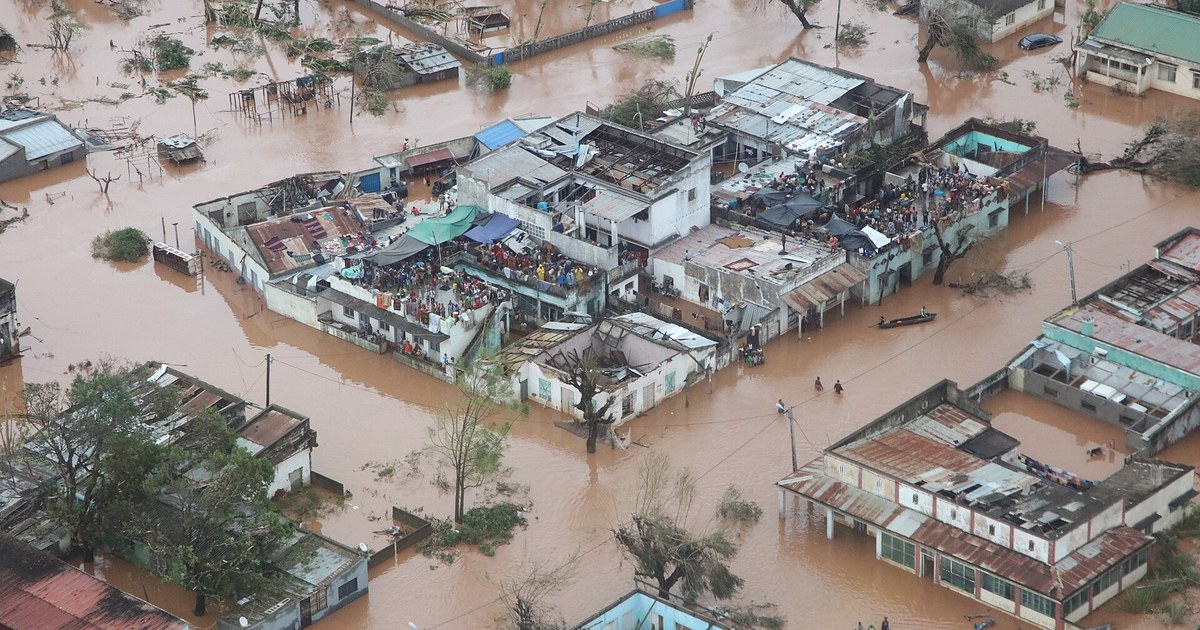
People shelter on rooftops in a flooded district of Mozambique after Cyclone Idai, a climate shock that tested local health services
File photo (2019): flooding after Cyclone Idai in Mozambique. Photo: World Vision/DFID / Wikimedia Commons, CC BY 2.0

Why is health and climate change planning not turning into action?

Money is the main constraint. Some 91% of countries named insufficient finance as a barrier to carrying out their national health and climate change strategy, up from 70% in 2021 and 56% in 2018.

Of the countries with a health national adaptation plan, 20% reported no funding and 48% minimal funding; only one said its plan was fully funded. Three-quarters of low-income countries reported minimal funding, and 52% of them had no such plan at all.

Domestic budgets cover little. Only 19% of low-income countries said their government had allocated funds to the ministry of health for climate work in the current budget cycle, against 43% of high-income countries.

External money has grown but unevenly. The share of low- and lower-middle-income countries receiving international funds for health and climate change work rose from 28% in 2021 to 43% in 2025, the report said, yet only 28% of low-income countries had such funding, compared with 50% of lower-middle-income countries. Some 81% of low-income countries said they were seeking international finance.

“Recognition and planning continue to outpace implementation,” Bruce Aylward, WHO assistant director-general, wrote in the foreword.

What happens next?

The survey sets the baseline for tracking the WHO Global Action Plan on Climate Change and Health, adopted by the World Health Assembly in 2025, with mid-term and final reviews to follow. It comes as governments meet at the COP31 climate talks in Antalya, Türkiye, where African ministers have called for adaptation and loss-and-damage support that is mostly grant-based, UNEP said.

The data are self-reported and were checked against supporting documents, WHO said. Droughts and floods have already been shown to shape climate action across Africa, and cyclones such as Chido in Mozambique show the strain storms place on clinics.

FAQ

What is the WHO health and climate change survey?

It is a voluntary survey of national health authorities, run in 2018, 2021 and 2025, that tracks how countries prepare health systems for climate change and cut health sector emissions. The 2025 round covered 146 countries.

How many African countries took part?

Forty countries in WHO’s African Region responded, 85% of the region. Egypt, Morocco, Somalia, Sudan and Tunisia took part as members of WHO’s Eastern Mediterranean Region.

Where does Africa lag on health and climate change?

The African Region had the lowest share of countries reporting climate training for health ministry staff (58%) and climate-related components in disaster plans (38%), the survey found.

What is the biggest barrier?

Finance. Some 91% of countries cited insufficient funding, and only one country reported a fully funded health national adaptation plan.


You Might Also Like

Lesotho investment case puts $173mn price on saving mothers

Sudan malnutrition: supplies run out at 91 centres, report says

Cervical cancer: Sierra Leone doctors take over surgical camps

Congo Ebola outbreak at six months: 400 new cases a week

Nigeria diphtheria outbreak kills 1,126 as antitoxin runs low

TAGGED:Climate ChangeWHO
Share This Article
Facebook Twitter Pinterest Whatsapp Whatsapp LinkedIn Reddit Telegram Email Copy Link

You Might Also Like

Terminal 2 at Bole International Airport, the hub for Addis Ababa transit flights
Health

Addis Ababa transit: Nigeria warns heart patients after 16 deaths

By DNE Africa 6 Min Read
IMG 28d7bbac 7f58 411b 896f ab241e966c4e
HealthPolitics

UNICEF-Backed Initiative Enrols 877 Out-of-School Children in Nigeria’s Yobe State

By Ahmed Emam 5 Min Read
Medical supplies are unloaded in Beni, eastern DR Congo, during an earlier Ebola outbreak in 2018
Health

Ebola outbreak: WHO verifies 81 attacks on Congo health facilities

By DNE Africa 7 Min Read

More Popular from DNE AFRICA

AFCON 2027 qualifiers: Ghana captain Jordan Ayew celebrates his penalty against Somalia in Sekondi with teammates
Sports

AFCON 2027 qualifiers: Cameroon and Senegal close in on finals

By DNE Africa 8 Min Read
Liquid C2 and Graphiant: logos of Graphiant and Liquid Intelligent Technologies

Liquid C2 and Graphiant launch quantum-safe network service for Africa

By DNE Africa
Niger
Business

WB Group Vice President Visits Togo, Niger to Advance Development Partnerships

By Ahmed Emam 1 Min Read
Ad imageAd image
Politics

Asset recovery forum: African agencies meet in Abuja to go permanent

Anti-corruption agencies from across Africa meet to make the practitioners' forum permanent.

By DNE Africa
Politics

Pan-African Youth Forum: AU’s Youssouf puts jobs and skills first

The AU Commission chairperson set out five priorities as the African Youth Charter turns 20.

By DNE Africa
World

Gilbert Houngbo re-elected ILO director-general until 2032

The former Togolese prime minister, the first African to lead the UN labour agency, will serve…

By DNE Africa
Sports

Egypt under-17s qualify for AFCON despite 1-0 loss to Algeria

Egypt went through as runners-up behind Algeria on head-to-head after Morocco beat Tunisia 5-1 in the…

By DNE Africa
Politics

Mahamid expulsion: Niger orders Arab nomads out by 31 December

Officials accuse some Mahamid of supplying Boko Haram, a charge community leaders reject; many of those…

By DNE Africa
DNE Africa

News by Africans, For Africans

Categories

  • Science
  • Health
  • Entertainment
  • Business
  • The Escapist

Quick Links

  • Advertise with us
  • Newsletters
  • Complaint
  • Deal

DNE Africa.All Rights Reserved.

Welcome Back!

Sign in to your account

Username or Email Address
Password

Lost your password?