
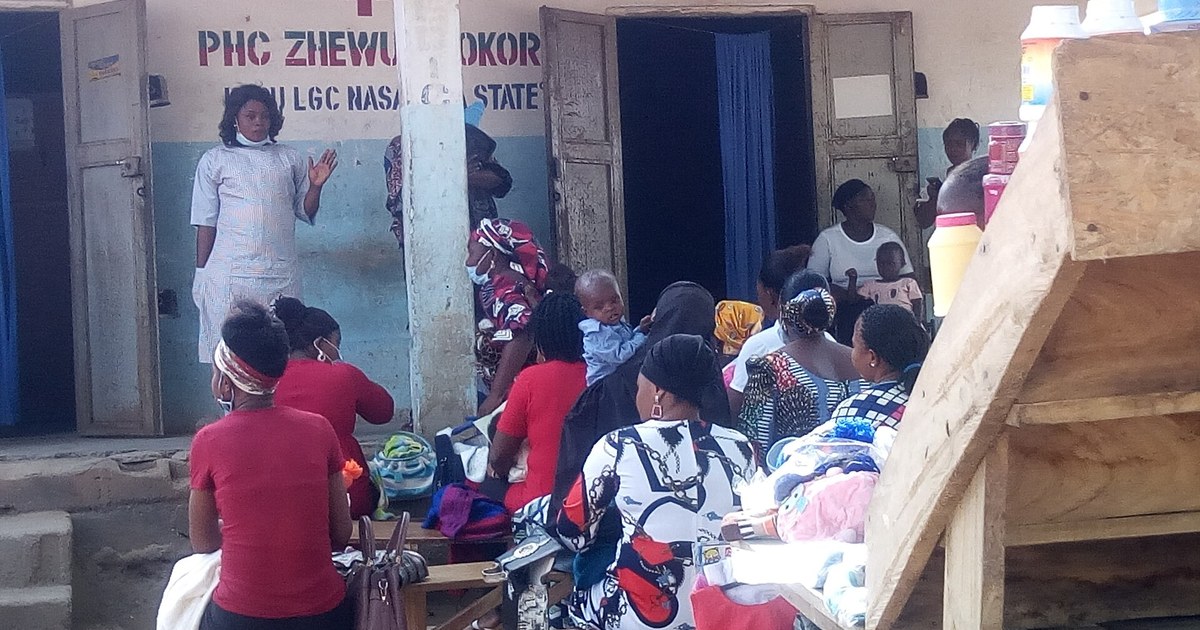

Nigeria’s diphtheria outbreak has killed 1,126 people this year, and Médecins Sans Frontières says its teams in the north are rationing the antitoxin used to treat the disease because stocks are dangerously low.
The warning, issued on Friday, matters because the drug is the only specific treatment for diphtheria’s toxin and works best soon after symptoms begin. Nigeria holds no emergency reserve, according to MSF, and the 2026 caseload is already the largest on record, according to the Red Cross.
How big is Nigeria’s diphtheria outbreak?
As of the week ending 7 November, the Nigeria Centre for Disease Control and Prevention (NCDC) had recorded 37,529 suspected cases this year, 28,151 of them confirmed, and 1,126 deaths, a case fatality rate of 3.9%, according to an International Federation of Red Cross and Red Crescent Societies report published on 11 November. Confirmed cases were 1.8 times the figure for the same period of 2025.
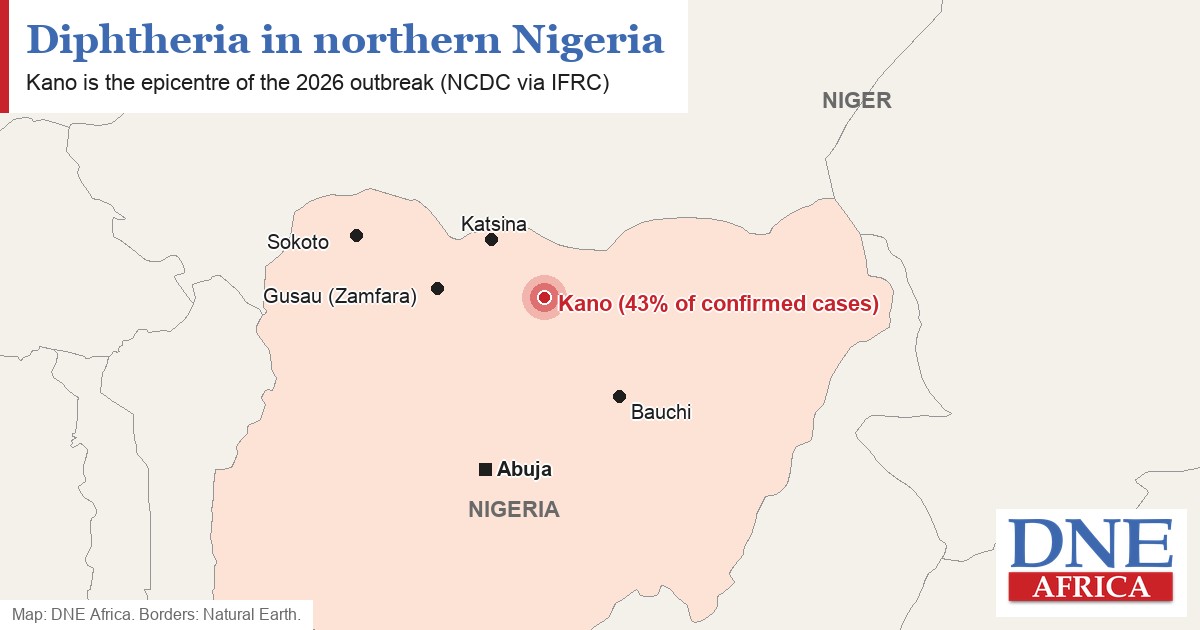
Kano State is the epicentre, with 12,008 confirmed cases, or 43% of the national total, the IFRC said. Bauchi is the third most affected state, with 2,463. Cases have been recorded in 26 states and the Federal Capital Territory. Since the diphtheria outbreak began in 2022, 68,277 cases and 3,269 deaths have been confirmed.
The figures may still rise. An NCDC surveillance update on 5 November said an apparent fall in October cases reflected late reporting rather than slower transmission, according to Boston University’s BEACON outbreak service, which summarised the data.
Why is antitoxin running short?
“Our stocks are dangerously low, and we risk being unable to treat children and save lives as the outbreak continues,” said Dr David Kizito, MSF’s medical coordinator in Nigeria, in a statement. He called the global shortage of diphtheria antitoxin “a matter of life and death”.
Most countries, Nigeria included, keep no contingency stocks and rely on donations or purchases through UN agencies, MSF said. Manufacturers produce only small quantities because demand is unpredictable and returns are low. The IFRC report said only 50 vials remained, without specifying the area covered, and recorded 282 deaths in the community, outside health facilities.
In Katsina, MSF teams managed 86 cases between 26 October and 12 November, 70 of them severe. In Zamfara, facilities it supports in Gusau recorded more than 671 admissions in a month from 6 October, it said. Premium Times reported that the warning revived attention on emergency measures the federal government announced in August, including antitoxin deliveries and more treatment capacity in Katsina.
Why is the diphtheria outbreak spreading?
Diphtheria is preventable with a vaccine given in three infant doses alongside tetanus and pertussis. Two-thirds of confirmed cases this year were unvaccinated, and children aged five to 14 are the most affected, the IFRC said. Reactive vaccination has been limited: Kano had used 26% to 33% of the doses deployed there.
In Zamfara, only 25,000 of the 90,000 doses needed for a reactive campaign had been supplied, leaving about three in four children unreached, MSF said. Four out of five patients admitted in Gusau had not been vaccinated.
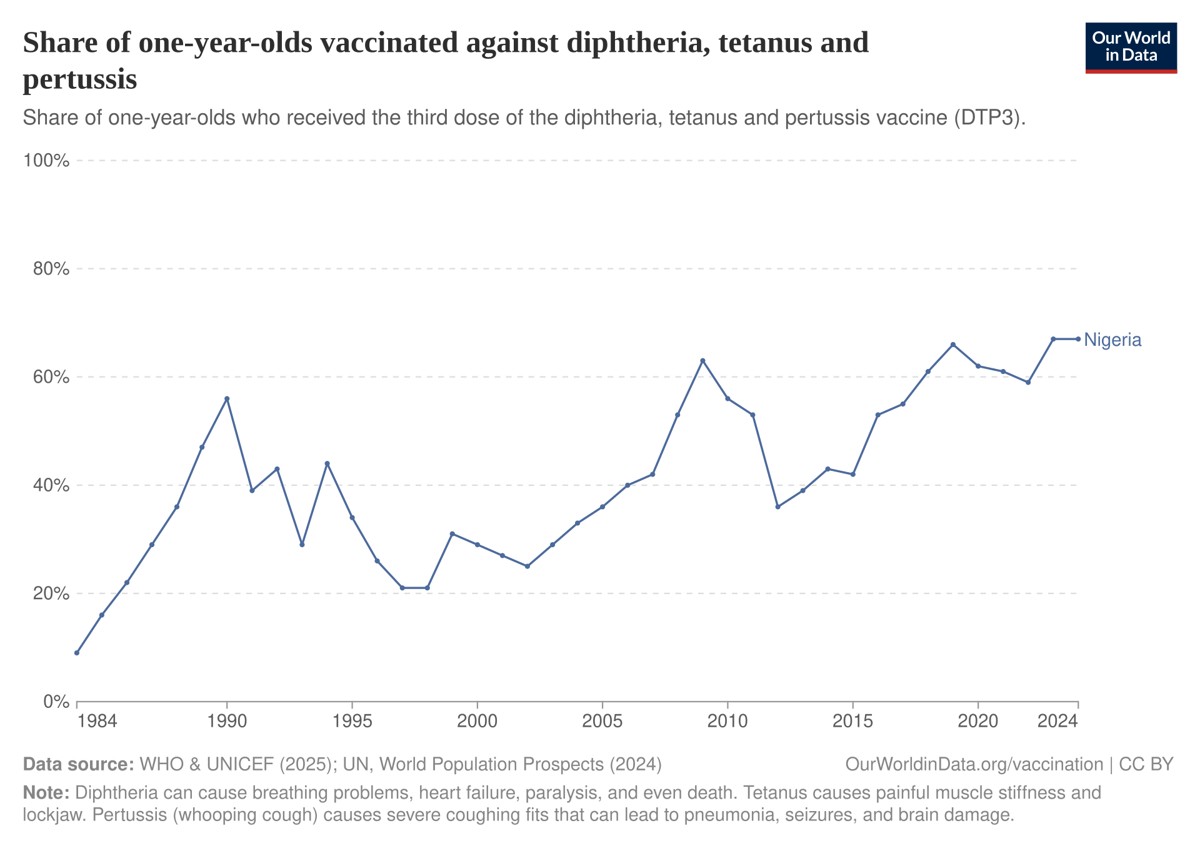
WHO and UNICEF estimates put Nigeria’s coverage of the third infant dose at about two-thirds of one-year-olds in 2024, according to Our World in Data. The outbreak follows other strains on child health in the region, including gaps in data that the WHO has said leave children vulnerable to polio.
What happens next?
MSF asked federal and state authorities, donors and partners to secure antitoxin and vaccines, speed their clearance at ports and distribute them across the north. It also urged manufacturers to expand production. DNE Africa found no public response from the NCDC to the warning by Sunday. MSF also raised funding concerns over Congo’s Ebola response this week.
FAQ
How many people has the diphtheria outbreak killed in Nigeria this year?
The NCDC recorded 1,126 deaths among 28,151 confirmed cases in 2026 up to 7 November, according to the IFRC.
Which state is worst hit by the diphtheria outbreak?
Kano, with 12,008 confirmed cases, about 43% of the national total, the IFRC said.
What is diphtheria antitoxin?
It is a medicine that neutralises the toxin produced by diphtheria bacteria. It works best when given early, and global supply is limited, MSF says.
Can diphtheria be prevented?
Yes. Vaccination prevents it, but two-thirds of confirmed cases in Nigeria this year were unvaccinated.


