
By using this site, you agree to the Privacy Policy and Terms of Use.
Accept
DNE Africa
  • Home
  • Politics
    cote ivoire rtour migrants niger
    Politics

    Côte d’Ivoire Repatriates 135 Migrants From Niger With IOM Support

    By Ahmed Emam 1 Min Read
    African Development Bank
    Business

    AfDB Approves $1M Investment in North Africa Growth Fund

    By Ahmed Emam August 14, 2026
    HPmbbsHW0AARh5O
    Politics

    South Africa Puts Migration on SADC Summit Agenda Amid Regional Tensions

    By Ahmed Emam August 13, 2026
  • Business
    FB IMG 1786551929703
    BusinessTechnology

    Benin’s Industrial Transformation Gains Momentum as Afreximbank Backs Local Manufacturing

    Benin is accelerating its industrial transformation by expanding local processing, strengthening energy…

    By Ahmed Emam 2 Min Read
    images
    BusinessWorld
    Nigerian Airlines Resume Flights After Aviation Unions Suspend Strike
    Portrait
    BusinessCulture
    A Granddaughter’s Choice: How Namibia’s President Got Her Official Portrait
    FB IMG 1786301995667
    Business
    Chad, Afreximbank Ink €110M Financing Agreement for Infrastructure, Trade Projects
    1000127110
    BusinessWorld
    Top African Ports in 2026: The Continent’s Leading Maritime Hubs
  • Culture
  • Opinion
  • Technology
  • World
  • My Bookmarks
Reading: Climate Change Could Add Over 120 Million Malaria Cases in Africa by 2050, Study Warns
Sign In
  • Join US
DNE AfricaDNE Africa
Font ResizerAa
  • Home
  • Politics
  • Business
  • Culture
  • Opinion
  • Technology
  • World
  • My Bookmarks
Search
  • Home
  • Politics
  • Business
  • Culture
  • Opinion
  • Technology
  • World
  • My Bookmarks
Have an existing account? Sign In
Follow US
© Foxiz News Network. Ruby Design Company. All Rights Reserved.
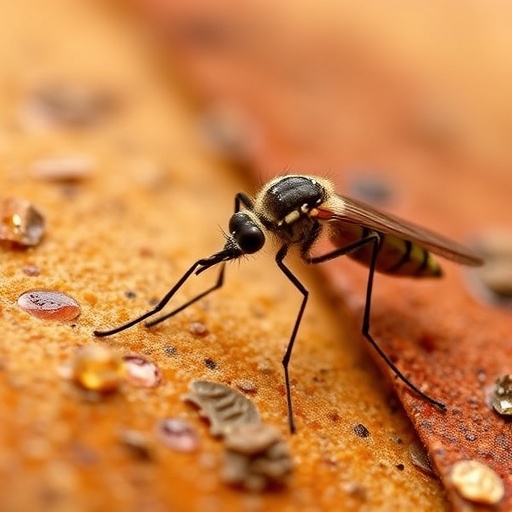
Climate Change Fuels Malaria Rise in Africa

Climate Change Could Add Over 120 Million Malaria Cases in Africa by 2050, Study Warns

Mohammed El-Said
Last updated: January 31, 2026 5:01 pm
By Mohammed El-Said 4 Min Read
Share
SHARE

A major new scientific study has warned that climate change could sharply increase malaria infections and deaths across Africa in the coming decades — not only because of rising temperatures, but mainly due to floods and storms that disrupt health systems and malaria control efforts.

Published in the journal Nature, the study was led by Peter Gething from the Malaria Atlas Project and draws on more than 25 years of data. Researchers combined climate information with health, socioeconomic and malaria control records to assess how the disease may evolve under future warming scenarios.

The findings suggest that climate change could result in 123 million additional malaria cases between 2024 and 2050, along with more than 530,000 extra deaths, if malaria control efforts remain at today’s levels.

While the exact figures vary depending on the severity of climate change, the authors say the overall trend is clear: climate impacts pose a serious threat to decades of progress against malaria in Africa.

Extreme Weather Emerges as the Main Driver

Unlike many earlier studies that focused mainly on ecological factors — such as warmer temperatures creating better conditions for mosquitoes — this research highlights that extreme weather events are likely to be the primary cause of increased malaria burden.

The study estimates that 79% of the additional malaria cases and 93% of the additional deaths could be driven by disruptive climate impacts, including floods and cyclones, rather than gradual ecological changes alone.

Floods and storms can damage homes, destroy protective bed nets, interrupt insecticide spraying campaigns, and cut off access to healthcare and treatment. In rural and vulnerable communities, even short-term disruptions can lead to sharp surges in malaria transmission.

For example, flood-related destruction of roads and clinics can delay diagnosis and treatment, while damaged housing may leave families more exposed to mosquitoes.

Most Increases Will Occur in Already Endemic Areas

The researchers emphasize that most of the additional malaria burden is not expected to come from the disease spreading into entirely new regions, but rather from intensification in places where malaria already exists.

The study projects that only a very small share of additional cases will occur outside current transmission zones. Instead, climate change will mainly worsen malaria risk in high-burden regions.

Areas projected to face particularly large increases include: Southern and central Nigeria, The African Great Lakes region (including parts of Kenya, Uganda, Rwanda and eastern Democratic Republic of Congo), Angola and Zambia and cyclone-prone coastal zones of southeast Africa

A Major Challenge for Malaria Eradication Goals

The findings come at a critical moment. After years of declining malaria rates in Africa — thanks to insecticide-treated nets, effective drugs and improved housing — progress has slowed over the past decade.

The study warns that climate change could undermine these gains and make global eradication targets far harder to reach by mid-century.

The authors call for urgent investment in climate-resilient malaria control strategies, such as: strengthening health and supply chain infrastructure, expanding early warning and emergency response systems, ensuring continued access to treatment during floods and disasters, and developing new tools less vulnerable to climate disruption.

The study concludes that climate change is no longer a distant future threat. It is already reshaping disease risks across Africa, and without rapid action, malaria could become significantly harder to control in the decades ahead.


You Might Also Like

South Africa Puts Migration on SADC Summit Agenda Amid Regional Tensions

Ebola Outbreak Spreads to 6th Congo Province as Deaths Surge

UNICEF Warns Cholera Spreads Across West, Central Africa, Puts Millions of Children at Risk

At Least 14 Artisanal Miners Killed at Disused Mine in South Africa

South Africa Marks 70th Anniv. of Historic Women’s March

TAGGED:AfricaEthiopiaMalariaSomaliaSouth Africa
Share This Article
Facebook Twitter Pinterest Whatsapp Whatsapp LinkedIn Reddit Telegram Email Copy Link

You Might Also Like

1000127110
BusinessWorld

Top African Ports in 2026: The Continent’s Leading Maritime Hubs

By Ahmed Emam 5 Min Read
FB IMG 1786286189762
Culture

Egypt Joins African Effort to Harmonize Higher Education Quality Standards

By Ahmed Emam 2 Min Read
IMG 20260807 WA00031
HealthWorld

Cameroon Destroys Counterfeit Medicines Despite Persistent Illicit Drug Trade

By Ahmed Emam 5 Min Read

More Popular from DNE AFRICA

cote ivoire rtour migrants niger
Politics

Côte d’Ivoire Repatriates 135 Migrants From Niger With IOM Support

By Ahmed Emam 1 Min Read
Ad imageAd image
Culture

Africa’s Remarkable Archaeological Discoveries in August

Archaeological discoveries across Africa are continuing to shed light on the continent’s ancient societies, with new…

By Ahmed Emam
BusinessPolitics

Zambia Heads to Polls as Election Tests Hichilema’s Economic Reforms

Zambians will vote on Thursday in a closely watched presidential and parliamentary election that will test…

By Ahmed Emam
BusinessWorld

Nigerian Airlines Resume Flights After Aviation Unions Suspend Strike

Nigerian airlines, including Air Peace and United Nigeria Airlines, resumed flight operations on Wednesday after aviation…

By Ahmed Emam
Culture

Chad Marks 66th Independence Day

Chad is marking its 66th Independence Day on Tuesday, commemorating the country’s declaration of sovereignty from…

By Ahmed Emam
DNE Africa

News by Africans, For Africans

Categories

  • The Escapist
  • Entertainment
  • Business

Quick Links

  • Advertise with us
  • Newsletters
  • Complaint
  • Deal

DNE Africa.All Rights Reserved.

Welcome Back!

Sign in to your account

Username or Email Address
Password

Lost your password?