
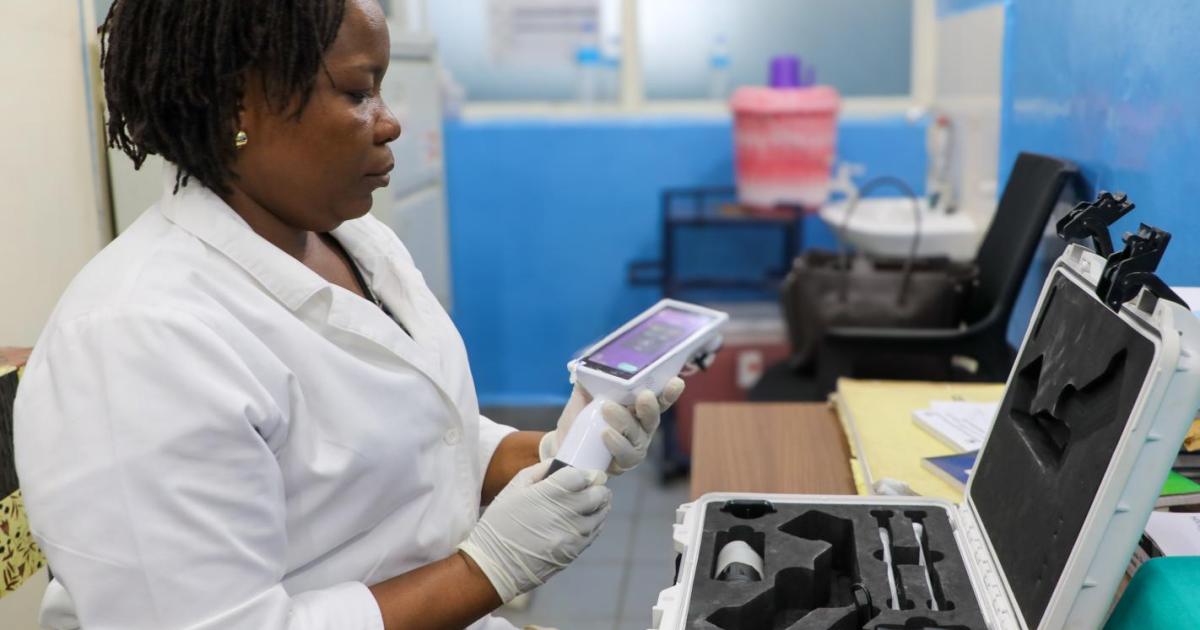

Surgical camps in Sierra Leone have given 15 women with early-stage cervical cancer complex surgery at home since 2024, while training local doctors to take over the work, the World Health Organization said.
The camps matter because women in Sierra Leone who needed the operation once had to seek care abroad. In 2026, for the first time, a camp was led by a surgeon based in the country rather than by visiting experts, according to a statement from the WHO Regional Office for Africa.
How do the cervical cancer surgical camps work?
The camps are run by Sierra Leone’s Ministry of Health at Princess Christian Maternity Hospital in Freetown, the country’s only tertiary maternal health facility, under its Cervical Cancer Elimination Initiative. They rely on south-south collaboration with Zambia’s Ministry of Health and are supported by WHO, Friends of Africa and other partners.
Visiting surgeons from Zambia, guided by Dr Samson Chisele and Dr Groesbeck Parham, led the early camps, which focus on radical hysterectomy, the removal of the womb and surrounding tissue for early-stage cervical cancer. Each camp doubles as hands-on training for local staff. The most recent camps were held in December 2025 and July 2026.
Dr Michael Ezeanochie, a gynaecological oncologist who leads the hospital’s department and has mentored local teams since 2024, led the 2026 camp on his own, WHO said. “We have talented and highly motivated doctors in Sierra Leone. With continued mentorship, exposure and institutional support, there is every reason to be optimistic about the future,” he said.
What has cervical cancer training meant for local doctors?
WHO’s account follows Dr Rosalitta Jaida Toogbabu, a resident doctor at the hospital who had observed a radical hysterectomy only twice and never taken part in one before the camps. “Before I joined the surgical camps for radical hysterectomy, I had read about it in books,” she said. “I had zero skills, but I was ready to learn fast.”
By the latest camps she was anticipating the steps of the operation rather than following along, and took on more responsibility as surgeons from other countries joined. She said cervical cancer was once an almost certain death sentence for many women in Sierra Leone, and that seeing patients recover had changed her view.
Training alongside regular duties is demanding: the hospital runs on fixed clinical schedules, so she often arrives early and stays late during camps, relying on colleagues to cover for her.
What gaps remain in cervical cancer care in Sierra Leone?
Dr Toogbabu said the camps alone will not make her ready for independent practice. “I need exposure to a high volume of cases in centres where such procedures are performed daily or weekly, as well as training in other aspects of gynaecological oncology that are not currently available in Sierra Leone,” she said.
WHO has previously reported that the lack of radiotherapy in the country remains a significant barrier for women who need treatment beyond surgery. The programme’s stated aim is to train the local specialists needed to sustain the service.
The camps form part of the country’s response to WHO’s global strategy to eliminate cervical cancer as a public health problem, which sets 2030 targets for vaccination against human papillomavirus, screening and treatment. Sierra Leone has also expanded cervical cancer screening nationwide, according to WHO. Other public health efforts in the country include a push to raise awareness of antimicrobial resistance in Sierra Leone, while a recent WHO report highlighted uncounted deaths in Africa.
FAQ
How many women have had cervical cancer surgery through the camps?
Fifteen women diagnosed with early-stage cervical cancer have had surgery through the camps since 2024, according to WHO.
Who runs the surgical camps?
Sierra Leone’s Ministry of Health, working with Zambia’s Ministry of Health and supported by WHO, Friends of Africa and other partners.
What is the next step for cervical cancer care in Sierra Leone?
Local surgeons are taking over the camps, but doctors say they need more high-volume training, and WHO says the country still lacks radiotherapy.


