
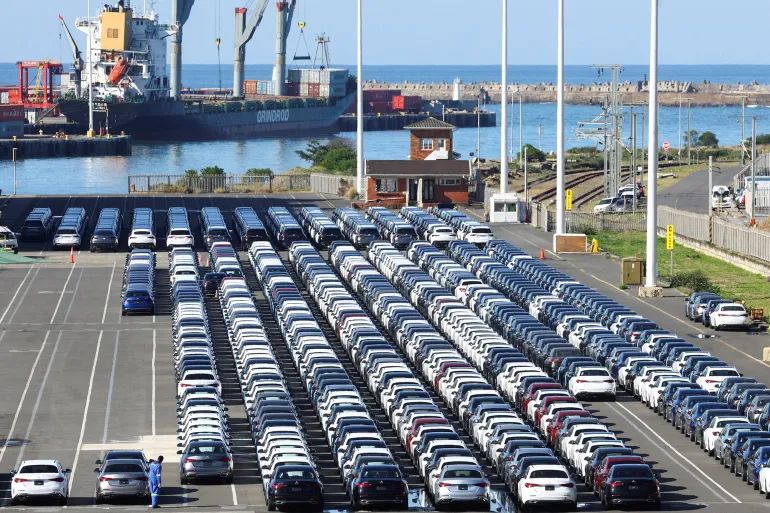

The South African government has announced emergency measures to support local exporters affected by the new 30% tariffs imposed by the administration of U.S. President Donald Trump, warning that the levies could cost tens of thousands of jobs—particularly in the automotive and agricultural sectors.
Trade Minister Parks Tau confirmed on Friday the launch of a dedicated Export Support Office under the Department of Trade, Industry and Competition. The new body will offer targeted advice, identify alternative markets, and help struggling exporters navigate the global shift triggered by the U.S. decision.
Calling the situation a “difficult moment” for South Africa, Minister Tau stressed the need to protect domestic industries and jobs while seeking diplomatic solutions.
President Cyril Ramaphosa also weighed in, saying that “all lines of communication with the United States remain open” and that South Africa is awaiting an invitation from Washington to resume trade talks. In the meantime, he confirmed that the government is finalizing a comprehensive support package for exporters at risk, with full details expected soon.
Talks Stalled Amid Political Tensions
For months, South African officials have tried to broker a deal with the U.S. involving increased purchases of American liquefied natural gas (LNG) and reciprocal investments in key sectors. However, the Trump administration has yet to respond positively, with bilateral tensions lingering over issues such as South Africa’s affirmative action laws and broader geopolitical disagreements.
The South African Reserve Bank has estimated that the new tariffs could result in the loss of over 100,000 jobs, particularly in the auto and agri-export sectors.
The Steel and Engineering Industries Federation of Southern Africa (SEIFSA) also warned that $1.8 billion worth of South African steel exports could be at risk if the tariffs remain in place.
As Pretoria prepares its policy response, analysts warn that the escalating trade dispute could further strain U.S.–South Africa relations, with broader implications for African markets already facing global economic headwinds.


