
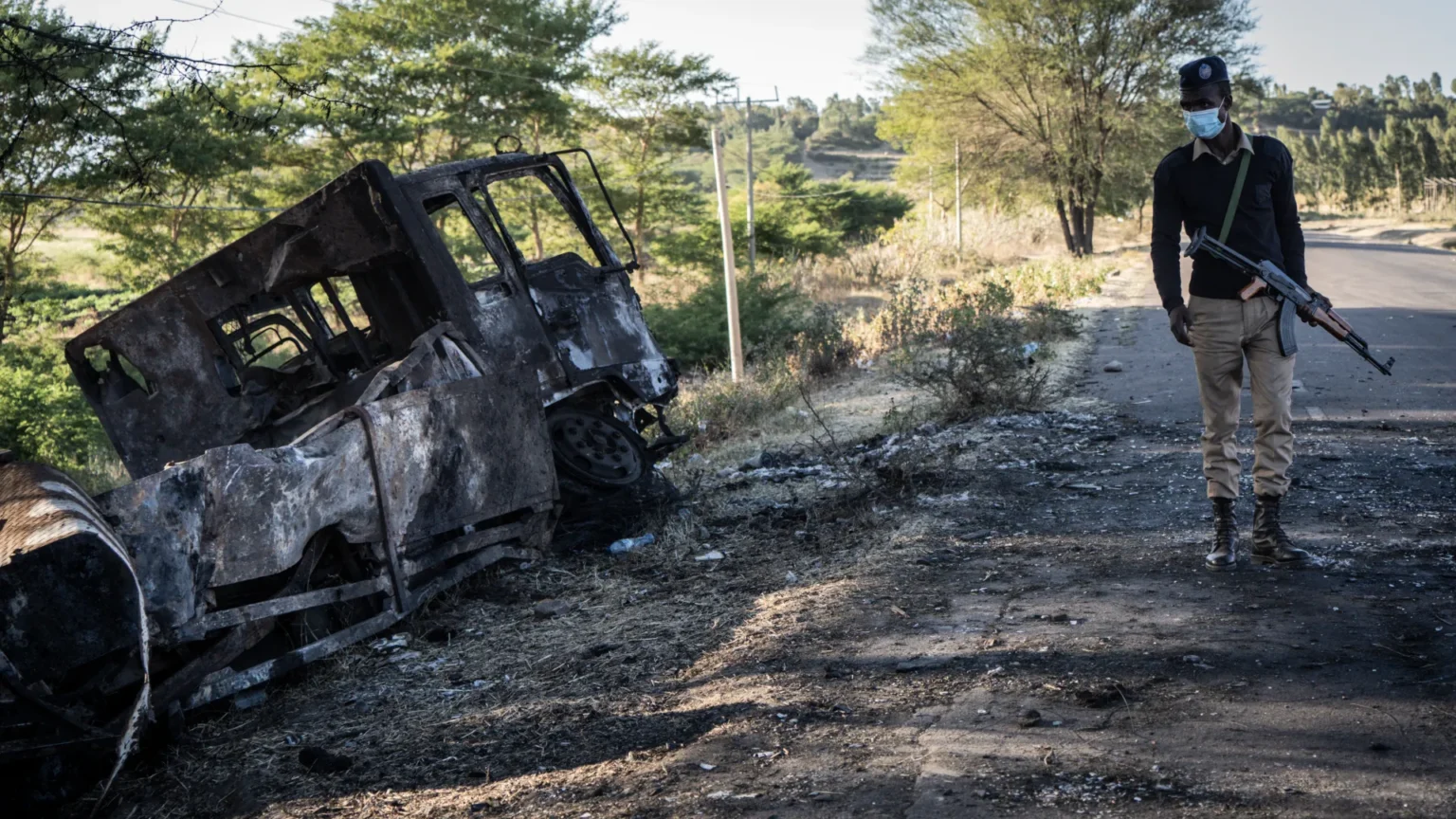

The European Union (EU) has issued a stark warning regarding the deteriorating political situation in Ethiopia’s Tigray region, labeling it “imperative” that the continent avoids a return to the devastating warfare that ravaged the area between 2020 and 2022.
The statement, released by EU spokesperson Anouar EL ANOUNI, underscores growing international alarm after the Tigray People’s Liberation Front (TPLF) moved to reinstate a regional council based on a 2020 election that the Ethiopian federal government maintains was illegitimate.
A Fragile Peace Under Pressure
The current friction centers on a direct challenge to the Pretoria Agreement, the November 2022 Permanent Cessation of Hostilities Agreement that effectively ended two years of active combat. Under the terms of that accord, an Interim Regional Administration (IRA) was established to govern the region until formal, legal elections could be held.
However, the TPLF has recently rejected the federal government’s decision to extend the term of Tadesse Worede, the president of the Interim Administration. The TPLF claims the extension violates the Pretoria Agreement—an assertion the federal government in Addis Ababa has dismissed as baseless.
“The European Union is following developments in the Tigray Regional State with great concern,” the EU spokesperson stated. “We call for immediate de-escalation and avoidance of any actions that jeopardize the Permanent Cessation of Hostilities Agreement.”
Diplomatic Pressure and Sanction Threats
The EU’s public warning follows reports of high-stakes “shuttle diplomacy” by U.S. officials. Sources indicate that three diplomats from the U.S. Embassy in Addis Ababa traveled to the regional capital, Mekelle, last Monday to meet with TPLF leadership.
Unconfirmed reports suggest the U.S. delegation issued a stern ultimatum: any move that triggers a new round of armed conflict could result in asset freezes and travel bans for TPLF officials. While the U.S. Embassy has not officially confirmed these specific threats, they noted they would provide updates as feedback becomes available.
Escalating Rhetoric and Economic Restrictions
The political divide has led to a breakdown in local governance cooperation. The TPLF recently warned that it would be a “mistake” if Tadesse Worede failed to hand over responsibility peacefully. Worede, in an interview with Reyot Media, countered that the TPLF already controls three-quarters of the Interim Administration’s composition and rejected the demand for a formal handover.
The federal government’s response has been marked by strategic silence and economic pressure. Allegations have surfaced that the TPLF is preparing for renewed hostilities, possibly with external support. In response, federal authorities have reportedly restricted budget transfers and the supply of essential goods, including fuel, to the region to prevent resources from being diverted to a potential war chest.
The Road Ahead
As the EU and U.S. push for urgent political dialogue, the specter of renewed conflict hangs heavy over Northern Ethiopia. For a region still reeling from one of the 21st century’s deadliest wars, the next few weeks will be critical in determining whether the Pretoria Agreement holds or if the Horn of Africa slides back into humanitarian catastrophe.
“It is imperative that another devastating conflict is avoided,” the EU statement concluded, echoing the sentiments of a regional community exhausted by years of instability.


