
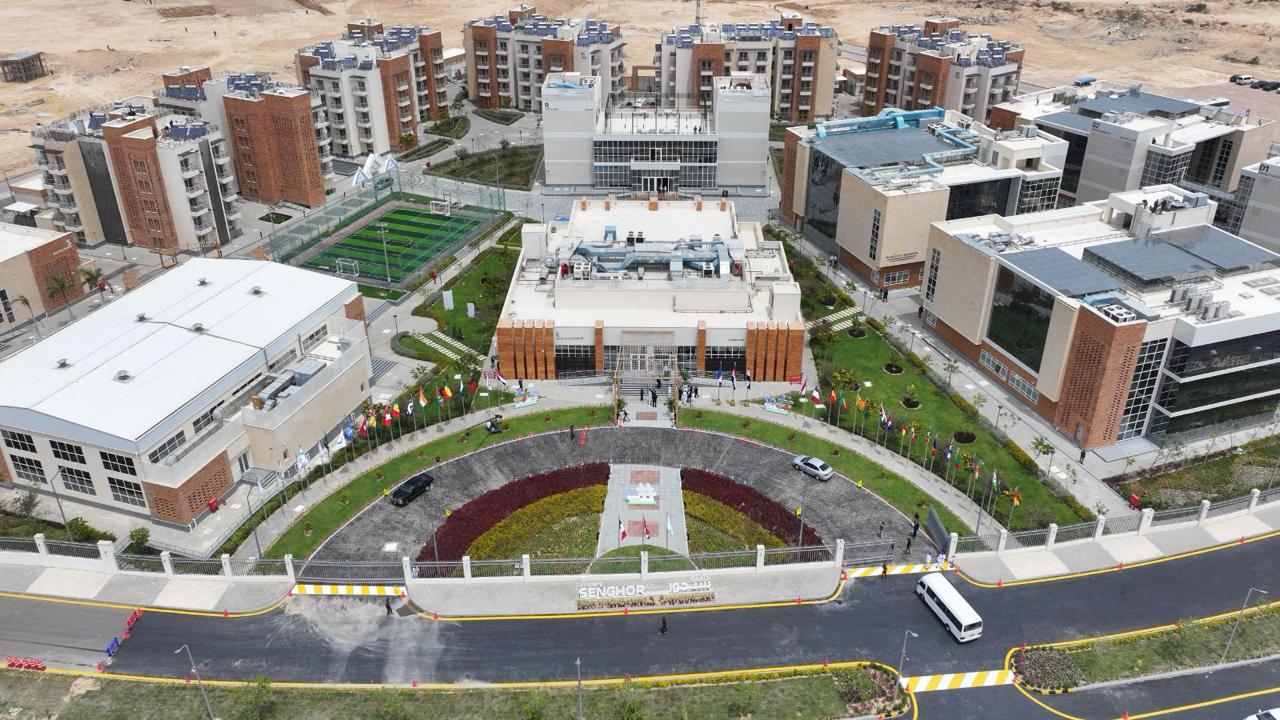

Senghor University, a flagship academic institution dedicated to training Africa’s future leaders, has received a financial contribution from Romania and cybersecurity firm Bitdefender to fund computer equipment for its newly inaugurated campus in Egypt.
The donation, facilitated by Romanian authorities, is designed to strengthen excellence programmes in fields essential to the sustainable development of the African continent. Depending on the Senghor University’s needs, further avenues of cooperation, including in the area of cybersecurity, may be explored in the future.
Founded following the 1989 Senegal Summit as a direct operator of the Francophonie dedicated to African development, Alexandria-based Senghor University currently welcomes students from more than 20 African countries, as well as from Haiti and the Indian Ocean region. Its mission is to train future African decision-makers and drivers of change through master’s programmes in health, management, environment, and culture, alongside professional specialisation programmes in sustainable development.
The initiative marks the symbolic May 9 inauguration of the Senghor University’s new campus in Borg El Arab, an event attended by Egyptian President Abdelfattah El Sisi, French President Emmanuel Macron, and Romania’s Ambassador to Egypt and President of the Francophone Ambassadors Group (GAAF), Olivia Toderean. The new facility was generously built by the Egyptian state to support the expansion of Senghor University’s academic activities and double the number of students over the coming years.
Senghor University Donation Showcase Romania’s Commitment to Africa
The equipment donation confirms Bucharest’s commitment to the continent, aligning with its strategy “Romania – Africa: A Partnership for the Future through Peace, Development and Education.” It also echoes the excellent bilateral relations between Romania and Egypt—celebrating 120 years in 2026—through Romania’s decision to support the campus built with Egyptian state resources.
Romania is the seventh-largest financial contributor to the International Organisation of La Francophonie (OIF) and views international development cooperation among Francophone countries as a key priority. In terms of political vision, Romania has reconfirmed its commitment to the development of the Francophonie—with Africa at its core—by officially supporting the candidacy of Dacian Cioloș for the position of OIF Secretary-General.
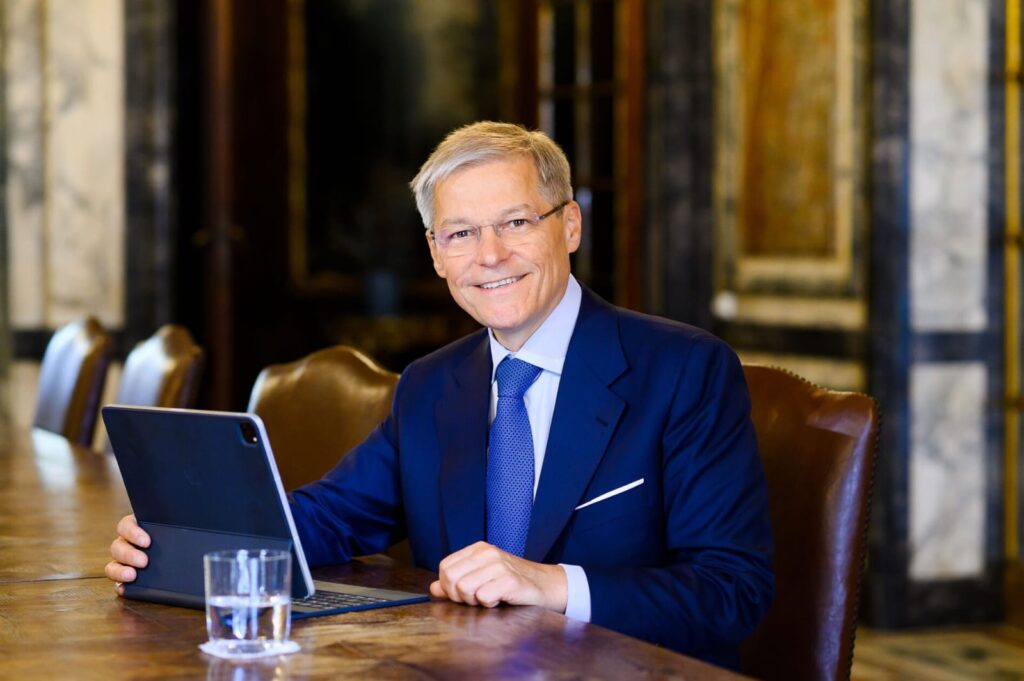
“I am grateful for this contribution to the education of the new generations of African elites,” said Cioloș, a current presidential adviser and candidate for the OIF leadership. “Romania is proving, once more, that we can bring together our strengths and energies, beyond borders and continents, in support of a shared vision of a flourishing Francophonie, with Africa at its heart and with the engagement of all regions.”
Răzvan Mureșan, Director of Global Corporate Communications at Bitdefender, emphasized the importance of equipping future generations.
“For 25 years, supporting education and academic initiatives has been a constant priority for Bitdefender,” Mureșan said. “We believe that investing in the next generation of talent is essential for building a more secure and resilient digital future, and we are proud to contribute to institutions such as Senghor University in Alexandria that are shaping tomorrow’s leaders.”
Cioloș, whose candidacy was officially launched by the President of Romania, carries a vision of an effective and inclusive Francophonie. He previously served as Prime Minister of Romania from 2015 to 2017, European Commissioner for Agriculture and Rural Development from 2010 to 2014, and President of the Renew Europe Political Group in the European Parliament. A Francophone by education, he graduated from the École nationale supérieure agronomique de Rennes and holds a postgraduate degree (DEA) from Montpellier, and is acknowledged for his experience in multilateral negotiations, agricultural policy, food security, and sustainable development.
According to UNESCO, higher education in Africa is at an important turning point, shaped by the continent’s dynamic youth population and pressing development challenges. With over 400 million young people aged between 15 and 35, Africa boasts the youngest population in the world, offering a unique opportunity to harness this potential for economic growth and innovation.


