
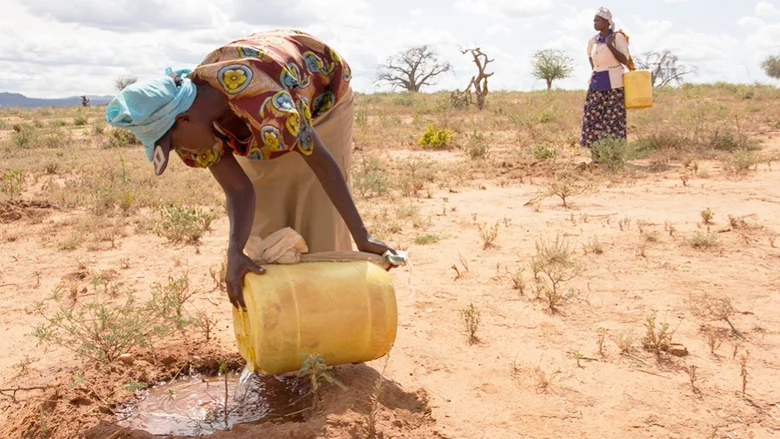

A new scientific review warns that climate change combined with rapid population growth could significantly worsen food insecurity in East Africa over the coming decades, especially in Ethiopia, Kenya, and Uganda.
Researchers say rising temperatures, shifting rainfall patterns, and growing demand for food may create large gaps between what these countries produce and what their populations need.
The study projects that regional temperatures could rise by roughly 1.8–3.0°C by the middle of the century. Such warming is expected to reduce cereal crop yields by between 13% and 22%, with Uganda likely to experience the largest losses while Ethiopia may see the fastest temperature increases. These changes could sharply affect staple crops such as maize, wheat, and sorghum, which millions rely on for daily food.
At the same time, populations in the three countries are growing quickly. By 2050, Ethiopia’s population could reach about 230 million people, while Kenya and Uganda may have around 93 million and 109 million people respectively. This growth will dramatically increase demand for staple foods, particularly cereals. Researchers estimate cereal requirements could rise to about 50.6 million tons in Ethiopia and roughly 23 million tons each in Kenya and Uganda.
Even assuming modest improvements in agricultural productivity, the study suggests major food deficits are likely. By mid-century, cereal shortages could reach about 21% in Ethiopia, 71% in Kenya, and 60% in Uganda. Without stronger adaptation measures, the region may face increasing reliance on food imports, rising food prices, and growing risks of malnutrition.
Climate change is already affecting agriculture across East Africa. More frequent droughts, floods, heat waves, and pest outbreaks are damaging crops and livestock. Because much farming in the region depends on rainfall rather than irrigation, food production is particularly vulnerable to weather shocks. Conflicts, economic instability, poor infrastructure, and poverty further compound these risks by limiting access to food even when supplies exist.
The consequences extend beyond hunger alone. Food shortages can increase rates of undernutrition, stunting in children, and micronutrient deficiencies. Health systems may face additional strain as malnutrition weakens immune systems and raises vulnerability to disease. Economic effects are also significant: higher food prices can deepen poverty, reduce productivity, and force governments to spend more on emergency food imports rather than long-term development.
Researchers emphasize that climate change acts as a “risk multiplier.” Rising temperatures not only reduce rainfall in some areas but also increase heat stress on crops, accelerate plant growth cycles, and worsen pest and disease outbreaks. These combined pressures can lower yields even where rainfall totals remain relatively stable.
Despite the worrying outlook, the study highlights several solutions. Investing in climate-resilient agriculture is seen as essential. This includes developing drought-tolerant crop varieties, improving irrigation and water management, strengthening early warning systems for extreme weather, and promoting more diverse farming systems. Better storage, transportation, and food distribution infrastructure could also reduce losses and improve food access.
Regional cooperation is another key recommendation. Shared climate data, coordinated food reserves, and joint adaptation strategies could help countries respond more effectively to climate shocks. Researchers also stress the importance of integrating nutrition and health policies with agricultural planning to protect vulnerable populations.
Overall, the findings suggest that without urgent action, climate change and demographic pressures could push millions more people in East Africa into food insecurity by 2050. But with targeted investments and coordinated policies, experts say it is still possible to build more resilient food systems and reduce the risks ahead.


