

The African Union (AU) on Saturday marked African Anti-Corruption Day by calling for stronger collective action to promote integrity, transparency and accountability across the continent, describing the fight against corruption as essential to achieving the goals of Agenda 2063.
Observed annually on July 11, African Anti-Corruption Day commemorates the adoption of the African Union Convention on Preventing and Combating Corruption (AUCPCC) in 2003, the continent’s primary legal framework for preventing and combating corruption.
This year’s commemoration is held under the theme, “Scaling Up the Promotion of Integrity and Anti-Corruption Actions Across Africa,” with the AU and its member states seeking to strengthen integrity-building initiatives, expand multilateral cooperation on asset recovery and enhance transparency to boost public trust.
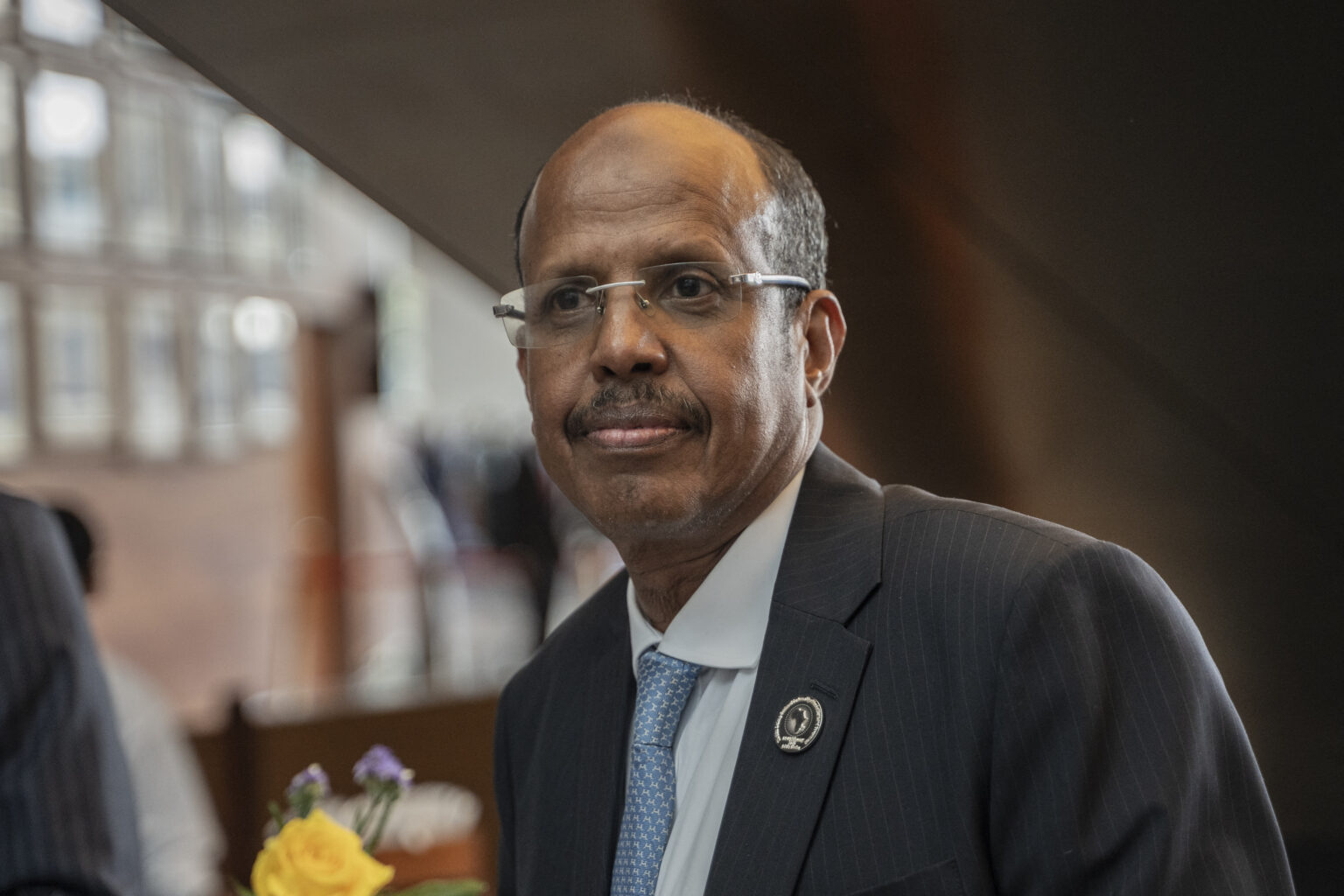
In a statement marking the occasion, Mahmoud Ali Youssouf reaffirmed the African Union Commission’s commitment to advancing integrity, transparency and accountability as key pillars for realizing Agenda 2063, the bloc’s long-term blueprint for Africa’s development.
Quoting former United Nations Secretary-General Kofi Annan, Youssouf said, “If corruption is a disease, integrity and transparency are the essential remedies for the rebirth of our continent,” affirming that combating corruption is central to Africa’s development, peace, security and social justice.
He said the 2026 theme reflects the African Union’s vision of democratic governance based on shared values, adding that deeper continental integration depends on trust among member states, which can only be sustained through integrity, transparency and strong systems of accountability.
Youssouf praised the African Union Advisory Board Against Corruption (AUABC) for its continued leadership in promoting and implementing the AU Convention on Preventing and Combating Corruption, while emphasizing that legal and institutional frameworks alone are insufficient.
He called for a broader cultural transformation that embeds ethics, integrity and accountability across African societies, alongside stronger national integrity and ethics strategies.
The AU Commission chairperson also urged greater multilateral cooperation to accelerate asset recovery and harmonize anti-corruption efforts across the continent, reaffirming the Commission’s support for member states in strengthening governance and accountability.
He called on governments, public institutions, civil society, the private sector and citizens to work together to promote integrity and intensify anti-corruption efforts.
“The promotion of integrity and the fight against corruption are a shared continental responsibility. By scaling up our collective efforts, we can safeguard Africa’s resources, strengthen public trust and accelerate the realization of Agenda 2063 for the benefit of present and future generations,” Youssouf said.
Across Africa, national anti-corruption commissions, civil society organizations and public institutions are marking the day through webinars, public awareness campaigns and community outreach initiatives aimed at promoting ethical governance and strengthening anti-corruption measures.


