
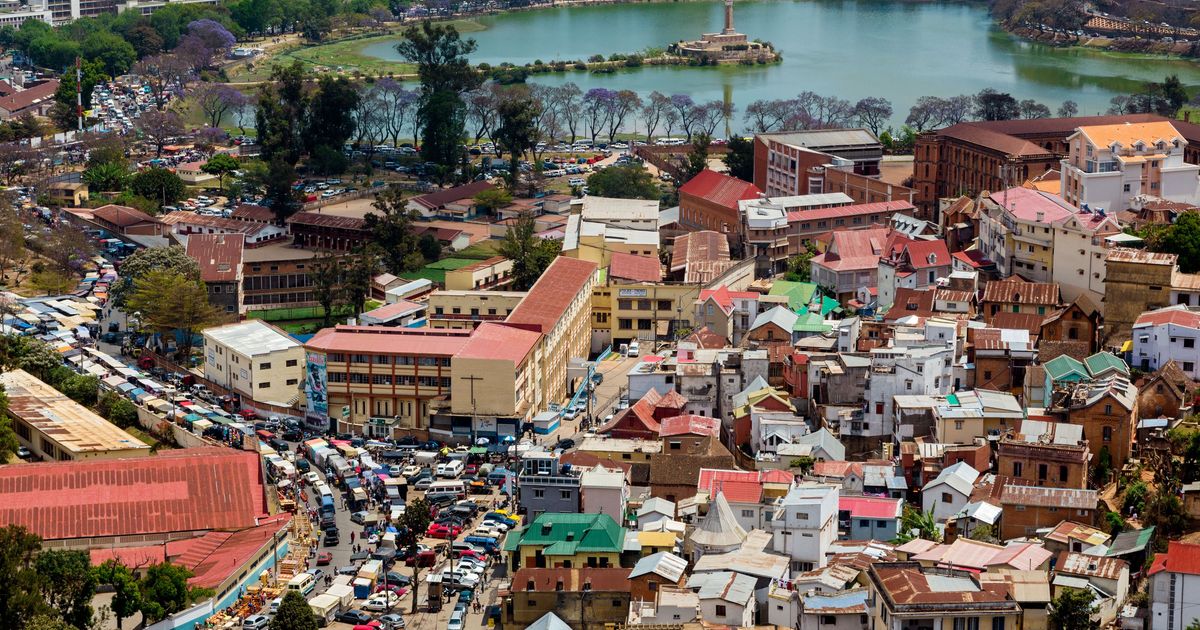

The World Bank Group has approved $225 million in financing for Madagascar to strengthen climate resilience, improve infrastructure, and create jobs in Greater Antananarivo and Greater Toamasina through the Integrated Urban Development and Resilience Project for Jobs (PRODUIRE2).
The funding arrives as Madagascar’s rapidly growing cities face mounting challenges. In early 2026, cyclones Fytia and Gezani caused damages estimated at the equivalent of 3.4 per cent of the country’s GDP. In Greater Antananarivo, which generates close to 44 per cent of the national GDP, extreme urban poverty has more than doubled over the past decade. Recurrent flooding, inadequate infrastructure, and insecure land tenure deter private investment, limit economic opportunities, and keep the city’s most vulnerable residents in poverty.
By 2032, the project aims to bring climate-resilient infrastructure to 1.5 million people, reconstruct 20,000 homes to resilient standards, issue land documentation for 50,000 parcels, and generate approximately 17,000 jobs, laying the groundwork for sustained private investment and economic growth.
“When cities work better, people live better. With the support of this new World Bank Group-financed project, families will benefit from safer neighborhoods, better infrastructure, improved access to land services, and greater economic opportunities,” Dr Herinjatovo Ramiarison, Minister of Economy and Finance of Madagascar, said. “This investment will help create jobs, support local businesses, and give more people the chance to build a brighter future for their families.”
Building on a World Bank-supported urban resilience programme in Antananarivo, PRODUIRE2 will deepen investments in flood protection, drainage, solid waste management, neighbourhood upgrading, and land administration. The project will address insecure land tenure, noting that nearly half of the land in Antananarivo lacks formal titles, presenting a key barrier to development. PRODUIRE2 will support land regularisation and digital land services to help residents obtain legally recognised documentation and streamline transactions. At least 40 per cent of new land documents issued will include women as sole or joint rights holders.
In Greater Toamasina, where cyclone Gezani damaged 70 per cent of the housing stock, the project will focus on rebuilding resilient housing and rehabilitating critical public infrastructure, such as schools and health facilities.
“Cyclone Gezani damaged nearly 70 percent of homes in Toamasina and disrupted the lives of thousands of families. Through PRODUIRE2, families will be supported to rebuild stronger homes, while critical public infrastructure and services will be restored and strengthened. The University of Barikadimy, which suffered extensive damage, will be fully rebuilt to higher standards so it can continue serving students for generations to come,” Atou Seck, World Bank Group Country Manager for Madagascar, said.
“In Greater Antananarivo, investments in flood protection, drainage infrastructure, including the Canal C3 ter and Canal C3 bis, solid waste management, and land administration will help reduce flooding and give families greater peace of mind during the rainy season,” Seck added. “At its heart, this project is about helping people live more safely, creating better economic opportunities, and enabling families to focus on what matters most: their children’s future, their work, and their well-being.”
The project reflects a long-term partnership between the Government of Madagascar and the World Bank Group to support Antananarivo and Toamasina in becoming more resilient, inclusive, and dynamic engines of growth.
PRODUIRE2 is supported by the Global Facility for Disaster Reduction and Recovery (GFDRR) and by the Quality Infrastructure Investment (QII) Partnership, financed by the Government of Japan. These entities provide technical and analytical assistance to strengthen Madagascar’s framework for disaster risk management, urban resilience, and infrastructure quality.


