

Nigeria’s projected economic growth of 4.1% in 2026 by the International Monetary Fund (IMF) reflects improving macroeconomic stability, sustained reforms in the oil and gas sector, and renewed investor confidence, according to a Nigerian academic.
Speaking to DNE Africa, Dr. Olusegun Hakeem Adebumiti of the Department of Mass Communication at Achievers University in Owo, Ondo State, said the IMF’s forecast was underpinned by government efforts to stabilize the economy and strengthen its key revenue-generating sectors.
“From all indications, Nigeria’s projected growth by the IMF can be attributed to the stability in the economy,” Adebumiti said. “The federal government has worked to stabilize the naira-dollar exchange rate, while the oil and gas sector, Nigeria’s main source of revenue, has attracted significant investment over the past five years.”
He said the implementation of the Petroleum Industry Act (PIA) 2021 had been instrumental in improving the investment climate for the country’s energy sector.
“The Petroleum Industry Act has been a major factor behind growing investment in Nigeria’s oil and gas industry,” he said. “Many multinational companies now view the sector as having a more stable regulatory framework. At the same time, Nigeria’s efforts to increase crude oil production to boost government revenue and foreign exchange earnings continue to support investor interest.”
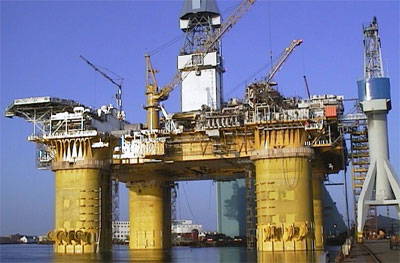
Adebumiti also welcomed ExxonMobil’s decision to invest $1 billion in the Usan Infill Project, describing it as another sign of renewed confidence in Nigeria’s energy sector.
The investment, announced by Nigeria’s upstream petroleum regulator, is expected to increase the country’s oil production capacity by about 40,000 barrels per day. It also marks ExxonMobil’s return to drilling operations in Nigeria for the first time since 2016.
“The investment is a strong signal that international energy companies are regaining confidence in Nigeria’s business environment,” Adebumiti said. “Such projects will not only increase crude oil production but also enhance foreign exchange earnings, create jobs, and support broader economic growth.”
He further noted that continued policy consistency and effective implementation of reforms would be essential to sustaining investor confidence and translating economic gains into long-term development.


