

The Somalia UAE row escalated on Wednesday when Somalia’s foreign ministry formally protested against Emirati “interference” and Anwar Gargash, adviser to the UAE president, called President Hassan Sheikh Mohamud “outgoing”.
The exchange turns the president’s televised attack on Tuesday into an open diplomatic dispute with one of the biggest foreign investors in Somalia’s ports and security. It also feeds a domestic quarrel over whether Hassan Sheikh’s mandate is still valid.
What did Somalia’s foreign ministry say in the Somalia UAE row?
In a statement on 18 November, the Ministry of Foreign Affairs said the federal government had “grave concern over the continued interference” of the UAE government in Somalia’s internal affairs, which it said undermined the country’s sovereignty, territorial integrity and national unity.
The ministry said the federal government was the only authority responsible for Somalia’s foreign relations, and rejected “any foreign engagement or parallel security arrangement” that bypassed it. It called on the UAE to deal with Somalia only through federal institutions, citing the UN Charter and international law, and said Somalia would take “all necessary lawful measures” to protect its sovereignty. It did not say what those measures would be.
The ministry said its complaint was aimed at UAE government policy, not the Emirati people. The statement built on the president’s address on 17 November, in which he accused Abu Dhabi of funding armed groups, setting up military facilities outside federal control and striking port deals with regional administrations, as DNE Africa reported on Tuesday. The UAE has not responded to those specific accusations, which have not been independently verified.
How did the UAE respond in the Somalia UAE row?
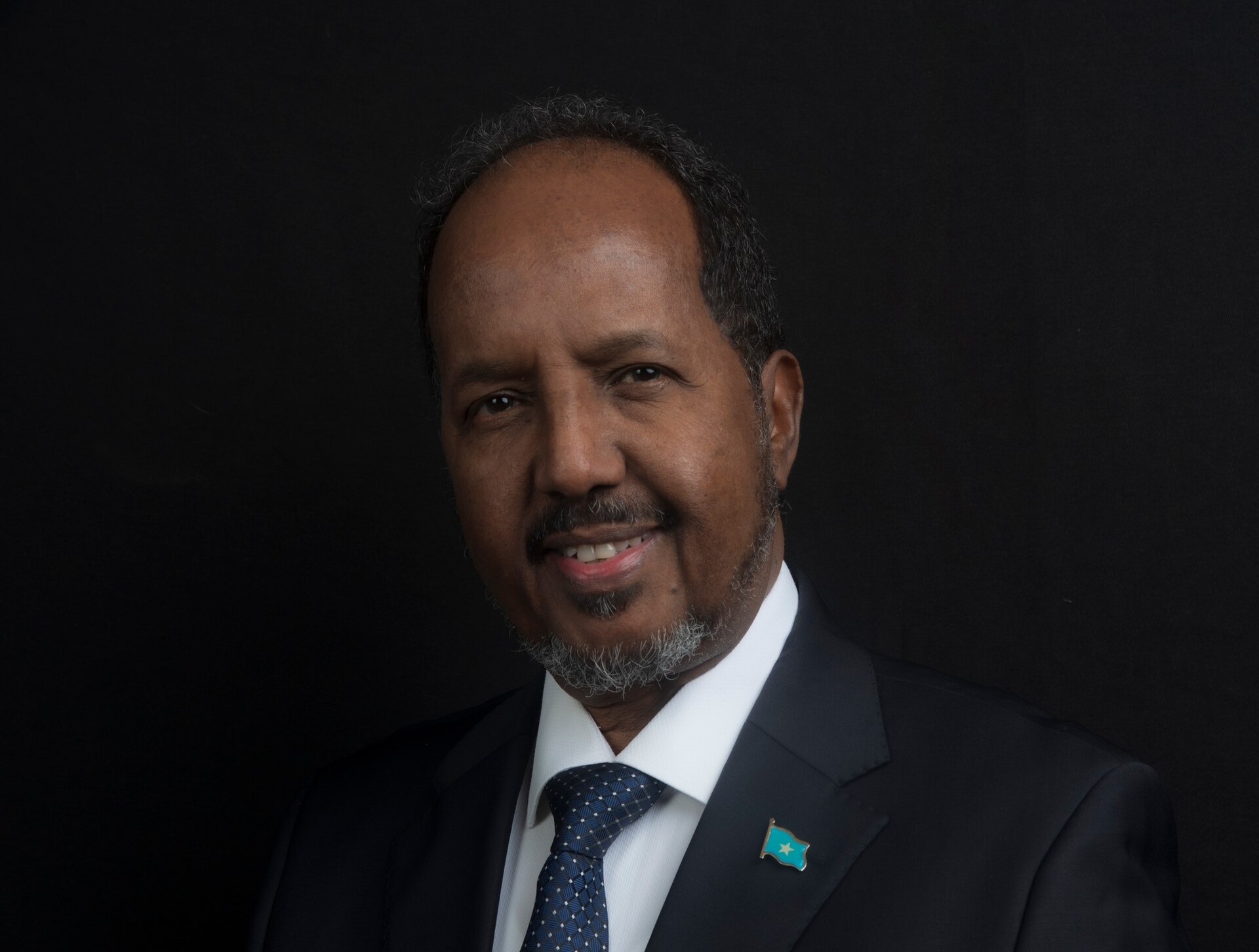
Gargash, the UAE president’s diplomatic adviser, replied on X on Wednesday. He said the “outgoing” Somali president’s attack on the UAE reflected his shifting positions and raised questions about whether he was putting personal calculations ahead of his country’s national interests (translated from Arabic).
Gargash said the UAE had stood by Somalia in its most difficult times, and warned that domestic rivalry should not drag the country into regional disputes. Relations with the Somali people would outlast “temporary political disagreements”, he said.
His word “outgoing” turns the Somalia UAE row into a question about the president’s mandate. Somalia’s Supreme Court ruled on 5 November that Hassan Sheikh’s four-year term had expired in May 2026 and that constitutional changes approved by parliament in March did not extend it, Garowe Online reported. The ruling followed a clash between the court and the president over term limits.
Who else has weighed in?
Several Somali ministers answered Gargash on Wednesday, Hiiraan Online reported. Ali Omar, minister of state for foreign affairs, wrote on X that deals with regional administrations over Berbera, Bosaso and Kismayo that bypassed the federal government harmed national unity.
Defence Minister Ahmed Moallim Fiqi accused the UAE of using its wealth to fuel wars. “Your money cannot buy our will and cannot destroy our unity,” he said (translated from Somali).
Somaliland, which declared independence in 1991 in a move Mogadishu rejects, took the UAE’s side in the Somalia UAE row. Khadar Hussein Abdi, the Somaliland presidency minister, wrote on X that Hassan Sheikh could not lecture Somaliland about its ties with the UAE, crediting the Emirates with investment in Berbera port, roads and schools.
Abdiaziz Hassan Mohamed Laftagareen, the former president of South West State, called the president’s accusations groundless, Caasimada Online reported. Puntland and Jubaland, whose leaders are at odds with Mogadishu, have kept close ties with Abu Dhabi.
Why do the ports matter?
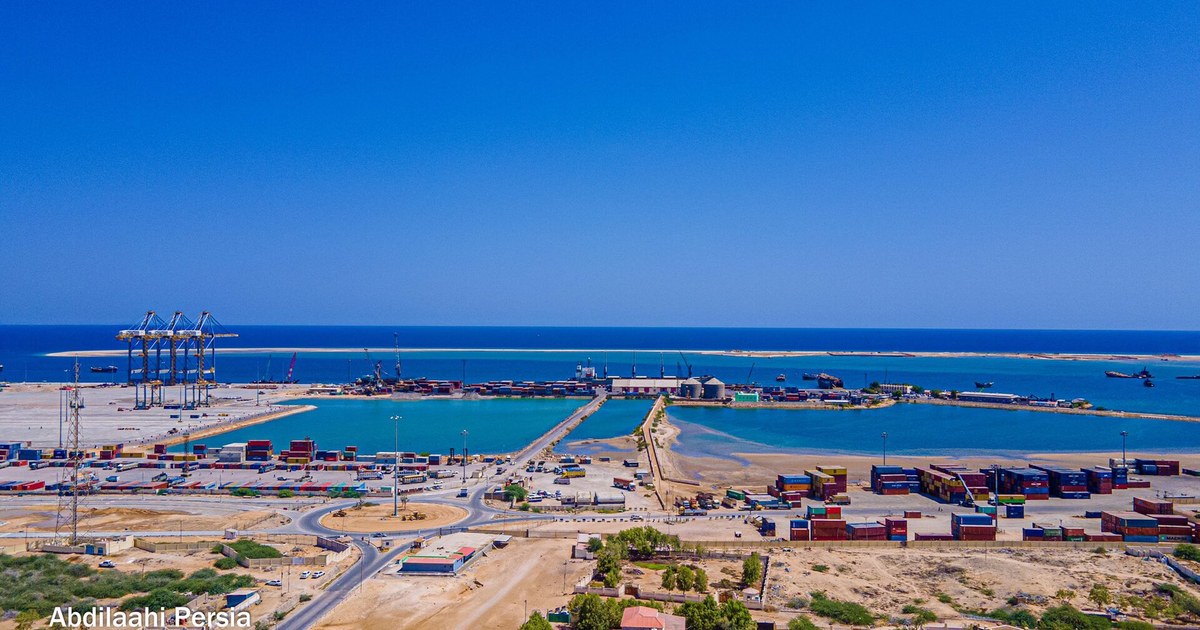
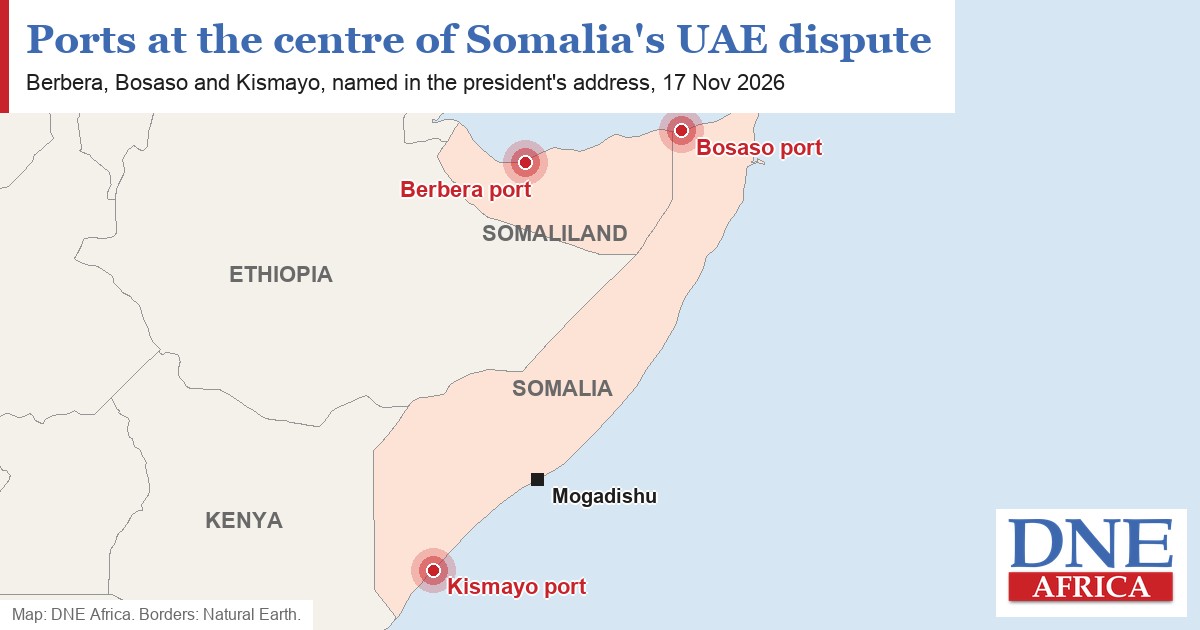
The Somalia UAE row centres on three ports. Berbera, in Somaliland on the Gulf of Aden, is run by Dubai’s DP World; Bosaso is Puntland’s main port; and Kismayo, in Jubaland, is the main port of southern Somalia. Mogadishu says any deal on them must go through the federal government, because the ports are national assets.
Somalia’s cabinet annulled all agreements with the UAE in January 2026, citing threats to its sovereignty, and regional administrations rejected that decision. Hassan Sheikh has also linked the UAE to Israel’s recognition of Somaliland.
What happens next?
Mogadishu has not said what “lawful measures” it has in mind, and the UAE has not announced any change to its operations in Somalia. The Somalia UAE row comes as the federal government faces a dispute over the president’s mandate, an opposition bloc that includes Puntland, Jubaland and Laftagareen, and a funding gap for the African Union mission fighting al-Shabab. The UN Security Council is due to discuss that mission’s funding.
FAQ
What is the Somalia UAE row about?
Somalia’s government accuses the UAE of interfering in its internal affairs, including port and security deals with regional administrations that bypass Mogadishu. The UAE says it has stood by Somalia and its people.
What did Anwar Gargash say about Somalia’s president?
On 18 November Gargash called Hassan Sheikh Mohamud the “outgoing” president and said his attack on the UAE raised questions about whether he put personal calculations ahead of national interests.
What did Somalia’s foreign ministry demand?
It said the UAE must deal with Somalia only through the federal government, rejected parallel security arrangements, and said it would take all necessary lawful measures to protect Somalia’s sovereignty.
Which ports are at the centre of the Somalia UAE row?
Berbera in Somaliland, Bosaso in Puntland and Kismayo in Jubaland. Mogadishu says agreements on them must be concluded through the federal government.


