
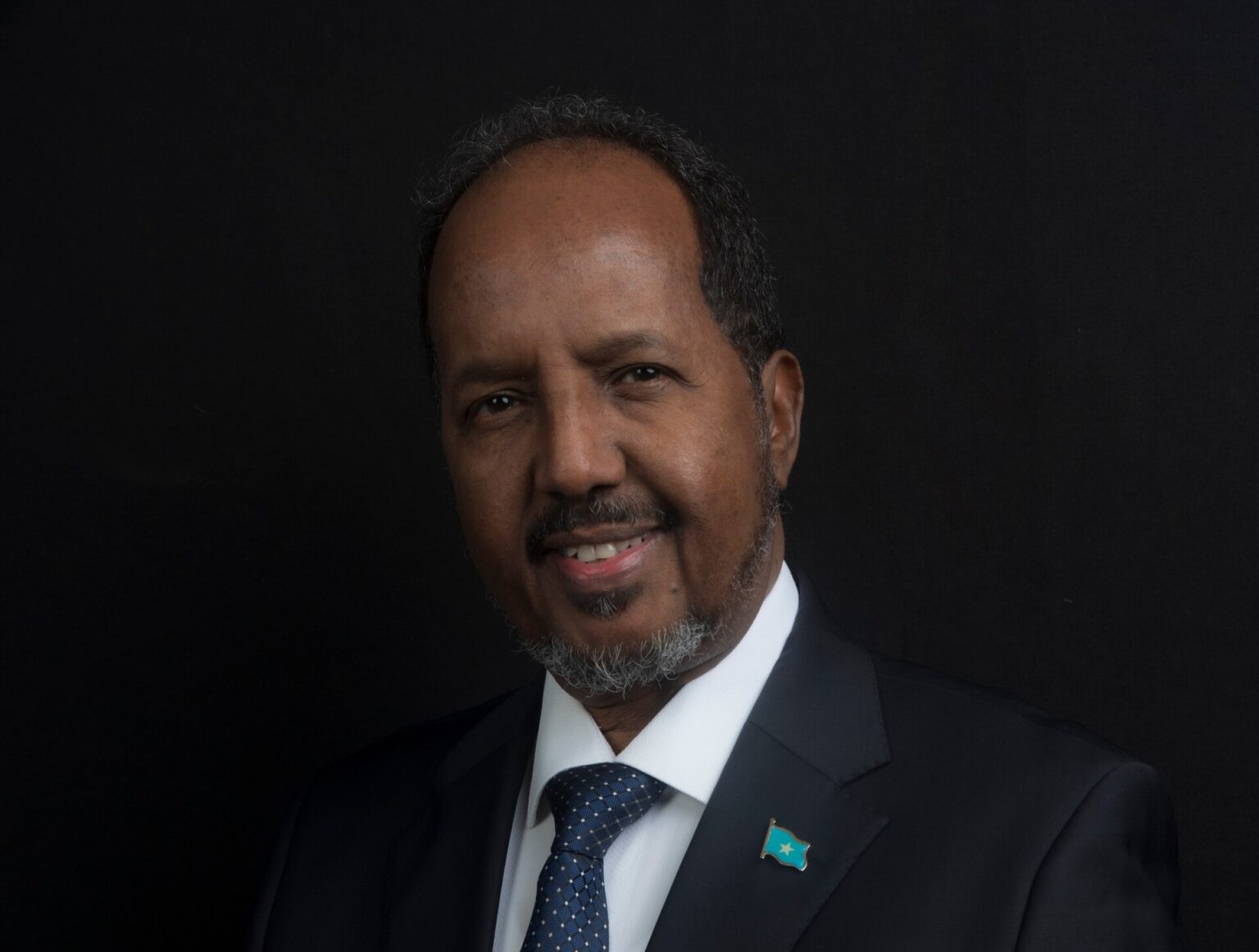

Somalia’s Supreme Court ruled on 5 November that the extension of President Hassan Sheikh Mohamud’s term was unlawful, a day after he dismissed the chief justice.
The clash between the presidency and the judiciary deepens a dispute over when Somalia’s leaders must face voters, and the opposition says security forces have since been used against the court.
What did Somalia’s Supreme Court rule on the president’s term?
The court held that constitutional amendments adopted in March 2026, which lengthened presidential and parliamentary terms from four to five years, did not automatically extend the mandates of the sitting president and parliament, according to allAfrica. Reports differ on dates, but say parliament’s mandate ran out in April and the president’s in May.
Judges gave political leaders 30 days to agree how to hold elections and limited the government to routine administration until a vote, the Associated Press reported. The judgment did not name a replacement president or say what happens if the deadlines are missed. The court rejected the part of the petition that challenged how the amendments were adopted, finding that the petitioner lacked standing.
Why did the president dismiss the chief justice?
President Mohamud dismissed Chief Justice Baashe Yusuf Ahmed on 4 November and appointed a replacement. The Supreme Court then declared the dismissal null and void, saying the procedure for removing a chief justice had not been followed, allAfrica reported.
Baashe has linked his removal to the court’s rulings on a state election in Galmudug and on the president’s term, Dawan Africa reported. The presidency had not responded to the ruling by Friday, according to the AP, and we could not find a government statement answering the dismissal claims.
Did security forces seize the court?
The opposition Somali Future Council accused the president of using force to take control of the court and of intimidating judges who ruled against the government. This is the opposition’s account and the government has not responded to it. Somali media showed military forces in the court compound, Arab News reported, but AFP said it could not verify claims that the chief justice had been arrested.
Outside pressure is building. The Uganda Law Society urged Somalia on 10 November to respect the ruling.
What happens next?
The 30-day window set by the court runs into early December. Somalia has struggled for years to agree an electoral model. For background, see DNE Africa’s analysis of Somalia’s regional realignment and its report on Mogadishu’s dispute over Somaliland.
FAQ
What did the Somali Supreme Court rule on 5 November?
It ruled that the March 2026 constitutional amendments did not automatically extend the terms of the president and parliament, making the extension of President Mohamud’s term unlawful.
Why was Somalia’s chief justice dismissed?
President Mohamud dismissed Baashe Yusuf Ahmed on 4 November. Baashe links the move to rulings on a Galmudug election and the president’s term. The court said the dismissal did not follow proper procedure.
Has the chief justice been arrested?
The opposition has said so, but AFP said it could not verify the claim, and the government has not commented.
When must Somalia hold elections?
The court gave leaders 30 days to agree how to hold them. Reports say it also called for a vote within 90 days, although accounts of the timetable differ.


