
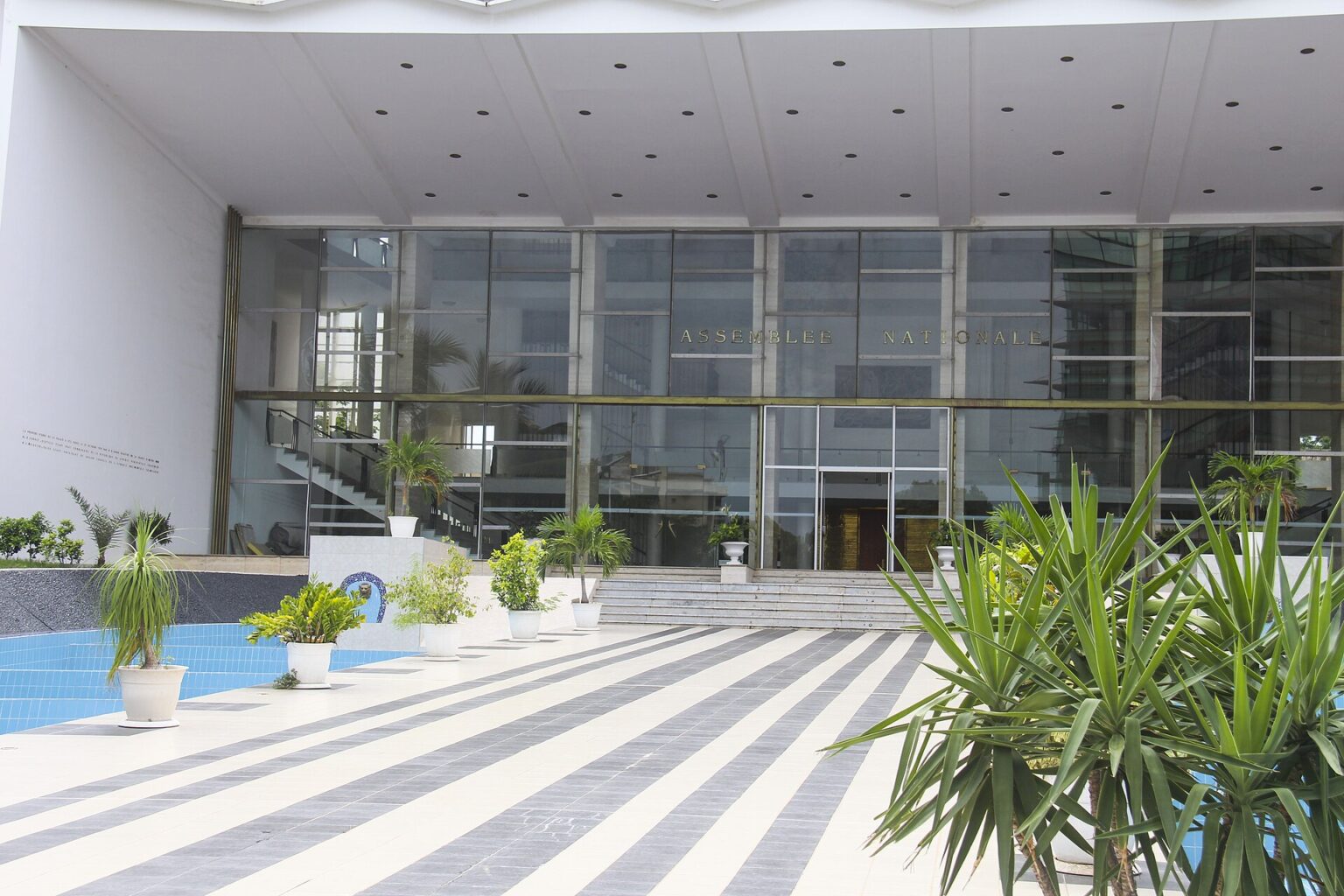

The Senegal revised budget for 2026 is in force after President Bassirou Diomaye Faye signed decree no. 2026-2416 on 19 November, overriding the National Assembly’s rejection of the bill on 3 November.
The decree on the Senegal revised budget gives the government a legal basis to spend under its revised fiscal plan while talks on an IMF programme continue, but it deepens the institutional standoff between Faye and Ousmane Sonko, the speaker, whose Pastef party controls parliament and struck the president off its rolls this week.
Why did Faye enact the Senegal revised budget by decree?
The presidency said in a statement on its Facebook page on Thursday, signed by Oumar Samba Ba, the secretary-general of the presidency, that the decree was based on Article 68 of the constitution, according to the Senegalese state news agency APS, as relayed by Socialnetlink (in French). The decree was countersigned by the prime minister.
Article 68 gives the National Assembly “60 days at most” to pass finance bills, and says a bill that “is not definitively voted” by then “is put into force by decree”. The revised bill was tabled on 18 September and had not been passed by 17 November, the presidency said. “A rejected bill is a bill that has not been voted,” its explanatory note said (translated from French), adding that the president “remains in control” of the process.
The presidency argued that the article covers revised budgets as well as the main annual budget, because the constitution refers to finance bills in the plural and the organic law on finance laws classes a revised budget as a finance law. It also cited the budget rules of the West African Economic and Monetary Union.

Is the decree on the Senegal revised budget legal?
Lawyers are divided. Babacar Guèye, a professor of constitutional law, said Article 68 applies only to the initial annual budget, not to a revised one, according to Ouestaf News. Babacar Ba, president of the Forum du justiciable, a civil society group, said limiting the article to the initial budget was “a fundamental error”, Socialnetlink reported.
Pastef officials rejected the decree. Ngouda Mboup, head of the party’s Haute autorité, said it had no legal existence, and Abdoulaye Tall, a lawyer and party member, called it “a serious violation of the constitution”, Seneweb reported. Aminata Touré, leader of the Kiraay movement, welcomed it as a way to keep the state’s finances running. A challenge before the Constitutional Council has been mentioned, but none had been reported by Friday.
What does the standoff mean for the IMF and Senegal’s finances?
Pastef’s majority rejected the Senegal revised budget, saying its revenue and spending forecasts were not realistic. On 18 November MPs also voted down the first part of the 2027 budget, which DNE Africa reported threatens a proposed $2.2bn IMF programme. The Fund has said Senegal needs an agreed budget framework before its board can approve new financing.
Senegal’s previous IMF programme was halted in 2024 after the new government said debt and deficit figures under the previous administration had been under-reported. The IMF’s country page tracks the talks.
The decree on the Senegal revised budget settles only the 2026 accounts. The 2027 budget must still go through parliament; if it is not passed within the constitutional deadline, the presidency could use the same procedure again.
How did Faye and Sonko fall out?
The two men came to power together in 2024. Faye dismissed Sonko as prime minister in May 2026, and Sonko became speaker days later. He declared their split “definitive” on 14 November, as DNE Africa reported, and Pastef said on 17 November that Faye was no longer a member.
FAQ
What happened to the Senegal revised budget?
MPs rejected the 2026 revised budget on 3 November. President Faye put it into force by decree no. 2026-2416 on 19 November.
What legal basis did the presidency give for the Senegal revised budget decree?
Article 68 of the constitution, which says a finance bill not passed within 60 days is put into force by decree. The presidency argued that this covers revised budgets.
Can the Senegal revised budget decree be challenged?
Some lawyers and Pastef officials say it is unconstitutional and a challenge before the Constitutional Council has been mentioned, but none had been filed by Friday.
What happens to the 2027 budget?
MPs rejected its first part on 18 November. It must still go through parliament, and the IMF wants a budget framework before approving a new programme.


